THE ADVENTURE COLLECTIVE® · Independent discovery and booking for outdoor travel

A private day trip from Marrakech into the Ourika Valley and High Atlas that combines short waterfalls hikes, mountain scenery and Berber village visits. Ideal for travelers seeking a scenic, accessible mountain day outside the city.
A private day trip from Marrakech into the Ourika Valley and High Atlas that combines short waterfalls hikes, mountain scenery and Berber village visits. Ideal for travelers seeking a scenic, accessible mountain day outside the city.
You leave Marrakech behind as the city’s heat and honking recede, and the road climbs into the High Atlas. Olive groves and argan trees thin, revealing a valley where a river—clear and insistent—pushes through terraces and stone, daring you to follow.
Verified experiences and guided adventures in the surrounding area.
Operated by Morocco today travel · Setti Fatma, Marrakesh-Safi
You leave Marrakech behind as the city’s heat and honking recede, and the road climbs into the High Atlas. Olive groves and argan trees thin, revealing a valley where a river—clear and insistent—pushes through terraces and stone, daring you to follow.
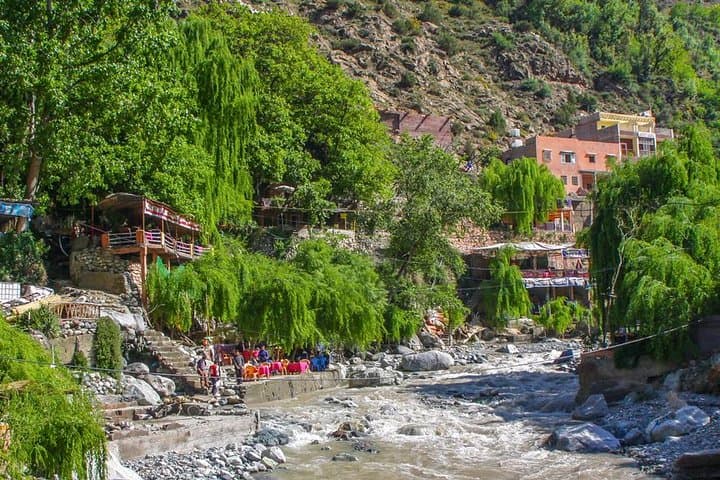
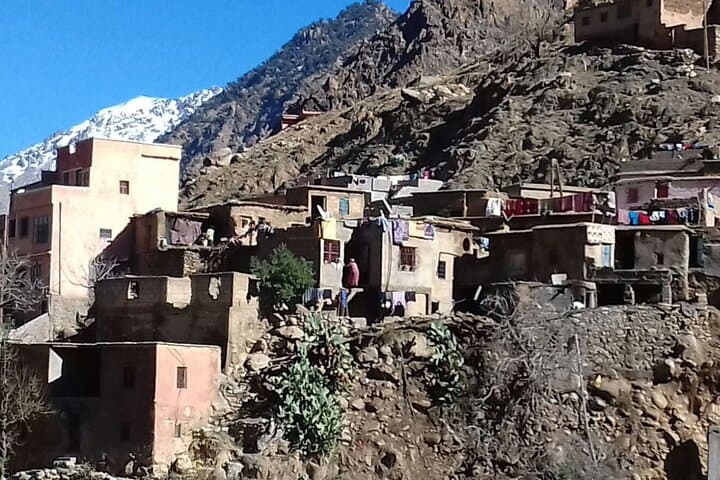
In Setti Fatma the trail options fan out: gentle riverside paths for a slow wander, and steeper tracks that lead to a string of waterfalls tucked between basalt outcrops and limestone ledges. Local Berber villages sit on sun-baked slopes, their flat-roofed houses and irrigated fields reflecting a rural life shaped by mountain water and seasonal snowmelt.
Geologically the High Atlas is young and rugged—folded rock uplifted by plate collision—so expect abrupt ridgelines, folded strata, and quick changes in slope. Culturally, the valley remains linked to Marrakech by regular markets and by guides who speak Arabic, Tamazight and often French; mint tea and tagine are the common social currency.
Practicalities: this private day trip typically runs 8–10 hours with hotel pickup in Marrakech. Walks to the main cascades are short but can be slippery; a moderate route totals 3–6 km round-trip with roughly 200–400 m of elevation change depending on how high you climb. Bring layered clothing for cool mornings, sturdy footwear for loose rock, a bottle of water (re-fill options exist in village shops), and sun protection. Plan to travel early or late in the day to avoid midday heat and crowds. A local guide will navigate trails, interpret cultural sites and adapt the pace to your group, turning a scenic drive into a full day of accessible mountain exploration.
moderate.
8–10 hours.
Moderate fitness—able to walk 3–6 km with some short steep sections and uneven footing
Typical driving time is 45–75 minutes each way depending on traffic and which part of the valley you visit.
Main paths are accessible for most walkers but upper cascades require steeper, uneven steps—good footwear and a basic fitness level are recommended.
Yes—families can join, but children should be supervised near water and on steeper sections; infant seats are available on request.
Yes—small village shops and tipping are cash-based; bring dirham for purchases and refreshments.
The Ourika Valley has long been inhabited by Amazigh (Berber) communities; seasonal irrigation and terraced farming date back centuries and shaped local settlement patterns.
Tourism pressure is concentrated at popular cascades—minimize impact by sticking to trails, avoiding single-use plastics, and supporting local guides and village businesses.
Morocco today travel operates guided outdoor trips and adventures with an emphasis on safety, stewardship, and memorable experiences.
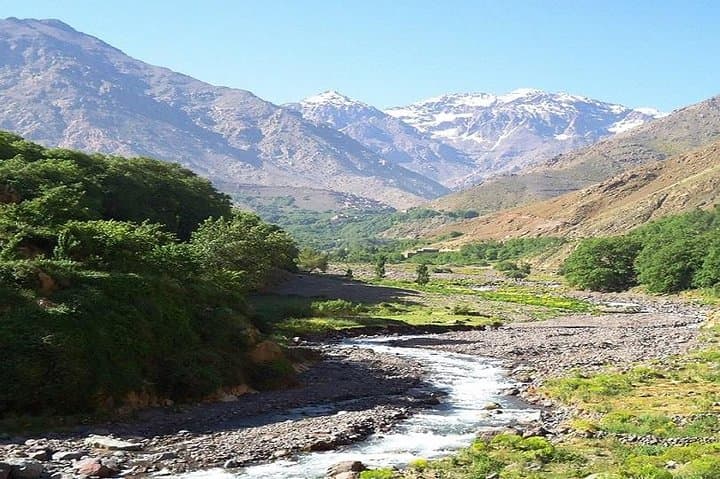
You leave Marrakech behind as the city’s heat and honking recede, and the road climbs into the High Atlas. Olive groves and argan trees thin, revealing a valley where a river—clear and insistent—pushes through terraces and stone, daring you to follow.
You leave Marrakech behind as the city’s heat and honking recede, and the road climbs into the High Atlas. Olive groves and argan trees thin, revealing a valley where a river—clear and insistent—pushes through terraces and stone, daring you to follow.
In Setti Fatma the trail options fan out: gentle riverside paths for a slow wander, and steeper tracks that lead to a string of waterfalls tucked between basalt outcrops and limestone ledges. Local Berber villages sit on sun-baked slopes, their flat-roofed houses and irrigated fields reflecting a rural life shaped by mountain water and seasonal snowmelt.
Geologically the High Atlas is young and rugged—folded rock uplifted by plate collision—so expect abrupt ridgelines, folded strata, and quick changes in slope. Culturally, the valley remains linked to Marrakech by regular markets and by guides who speak Arabic, Tamazight and often French; mint tea and tagine are the common social currency.
Practicalities: this private day trip typically runs 8–10 hours with hotel pickup in Marrakech. Walks to the main cascades are short but can be slippery; a moderate route totals 3–6 km round-trip with roughly 200–400 m of elevation change depending on how high you climb. Bring layered clothing for cool mornings, sturdy footwear for loose rock, a bottle of water (re-fill options exist in village shops), and sun protection. Plan to travel early or late in the day to avoid midday heat and crowds. A local guide will navigate trails, interpret cultural sites and adapt the pace to your group, turning a scenic drive into a full day of accessible mountain exploration.