THE ADVENTURE COLLECTIVE® · Independent discovery and booking for outdoor travel

Spend a day outside Marrakech visiting Andre Heller’s sculptural Anima Garden, a private Saffron Garden with talks and lunch options, and the first falls of the Ourika Valley. Expect easy walks, botanical variety, and a short riverside hike into the High Atlas.
Spend a day outside Marrakech visiting Andre Heller’s sculptural Anima Garden, a private Saffron Garden with talks and lunch options, and the first falls of the Ourika Valley. Expect easy walks, botanical variety, and a short riverside hike into the High Atlas.
A van peels away from the ochre walls of Marrakech and the Atlas foothills draw nearer—first the sculpted bursts of the Anima Art Garden, then terraces of saffron blooms, and finally the Ourika river daring you toward its waterfalls.
Verified experiences and guided adventures in the surrounding area.
Operated by Another Morocco · Marrakech, Marrakech-Safi
A van peels away from the ochre walls of Marrakech and the Atlas foothills draw nearer—first the sculpted bursts of the Anima Art Garden, then terraces of saffron blooms, and finally the Ourika river daring you toward its waterfalls.
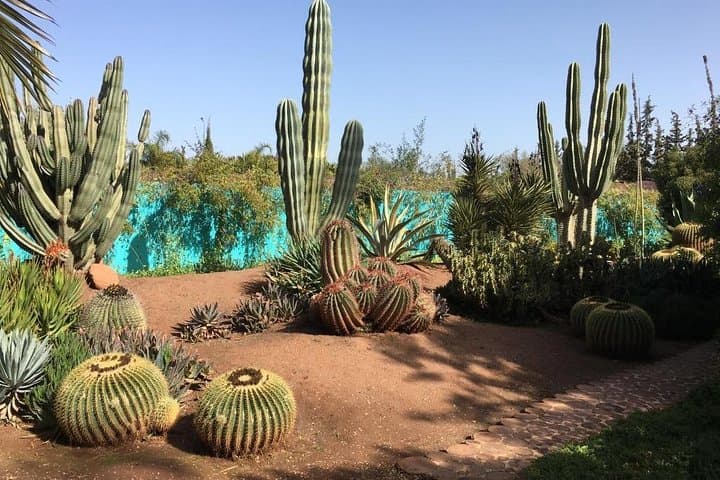
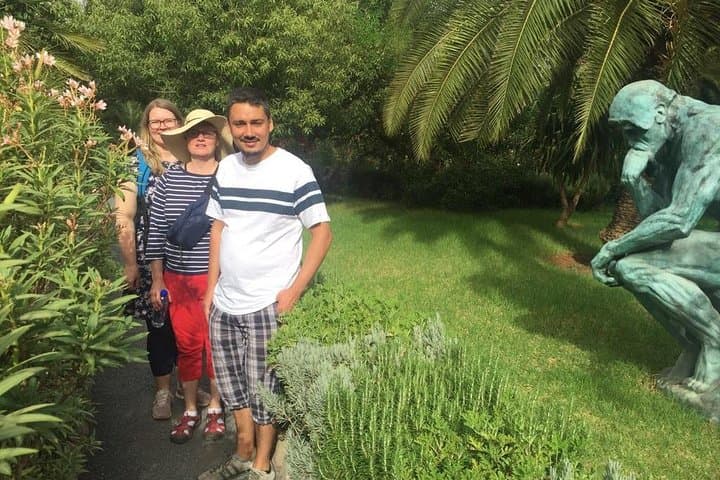
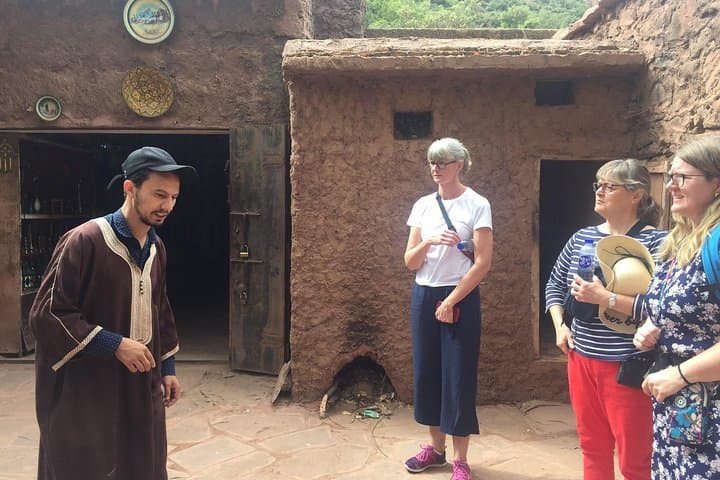
The day begins with a roughly 20‑minute drive to Andre Heller’s Anima Garden, where exotic plantings and oversized sculptures create unexpected sightlines and shade. From there the route winds to a privately run Saffron Garden founded by a Swiss entrepreneur: botanical beds sit alongside small crofts of crocus sativus, and owners often offer short talks on saffron harvesting and its role in Atlas village economies.
Geology and culture converge in the Ourika Valley. The High Atlas—lifted by African‑Eurasian collision—forms steep, gneiss and schist ravines; the river has carved stone and step terraces that local Berber communities farm. At the waterfalls you can walk up to the first fall on a maintained trail that passes olive groves and simple tea houses where locals sell mint tea.
Practical guidance: the Anima Garden charges an entrance fee (about 120 MAD per person), so bring cash. Pace yourself—the tour runs about eight hours, with mostly easy walking but some uneven trail near the waterfall. Book lunch in the Saffron Garden in advance if you want a sit‑down meal. Wear sturdy shoes, carry 1–2 liters of water, sun protection, and be ready to converse with local guides; tipping for service is customary. The driver can arrange a local hiking guide at the falls if you want deeper cultural or botanical context.
easy.
8 hours.
Suitable for average fitness; requires short, uneven walks and some steps near the waterfall.
No—Anima Garden typically charges an entrance fee (around 120 MAD per person) which is paid on site.
You can walk up to the first waterfall along a maintained trail in 20–45 minutes depending on pace; the route is short but uneven.
Yes—lunch and saffron talks can be pre‑booked with the garden; notify the operator in advance to reserve a spot.
Yes—the tour includes private transportation with pickup from Marrakech hotels; confirm your pickup point when booking.
The Ourika Valley has long been home to Berber communities who built terraced agriculture in steep Atlas slopes; saffron cultivation has been part of High Atlas agro‑culture for generations.
Stick to marked paths, avoid picking plants in private gardens, and support local guides and garden entry fees which help maintain cultural landscapes and water resources.
Another Morocco operates guided outdoor trips and adventures with an emphasis on safety, stewardship, and memorable experiences.
A van peels away from the ochre walls of Marrakech and the Atlas foothills draw nearer—first the sculpted bursts of the Anima Art Garden, then terraces of saffron blooms, and finally the Ourika river daring you toward its waterfalls.
A van peels away from the ochre walls of Marrakech and the Atlas foothills draw nearer—first the sculpted bursts of the Anima Art Garden, then terraces of saffron blooms, and finally the Ourika river daring you toward its waterfalls.
The day begins with a roughly 20‑minute drive to Andre Heller’s Anima Garden, where exotic plantings and oversized sculptures create unexpected sightlines and shade. From there the route winds to a privately run Saffron Garden founded by a Swiss entrepreneur: botanical beds sit alongside small crofts of crocus sativus, and owners often offer short talks on saffron harvesting and its role in Atlas village economies.
Geology and culture converge in the Ourika Valley. The High Atlas—lifted by African‑Eurasian collision—forms steep, gneiss and schist ravines; the river has carved stone and step terraces that local Berber communities farm. At the waterfalls you can walk up to the first fall on a maintained trail that passes olive groves and simple tea houses where locals sell mint tea.
Practical guidance: the Anima Garden charges an entrance fee (about 120 MAD per person), so bring cash. Pace yourself—the tour runs about eight hours, with mostly easy walking but some uneven trail near the waterfall. Book lunch in the Saffron Garden in advance if you want a sit‑down meal. Wear sturdy shoes, carry 1–2 liters of water, sun protection, and be ready to converse with local guides; tipping for service is customary. The driver can arrange a local hiking guide at the falls if you want deeper cultural or botanical context.