THE ADVENTURE COLLECTIVE® · Independent discovery and booking for outdoor travel

A full-day guided outing from Marrakech into the High Atlas, combining a moderate riverside hike to Ourika’s waterfalls with a traditional Moroccan lunch and a visit to a local argan cooperative.
A full-day guided outing from Marrakech into the High Atlas, combining a moderate riverside hike to Ourika’s waterfalls with a traditional Moroccan lunch and a visit to a local argan cooperative.
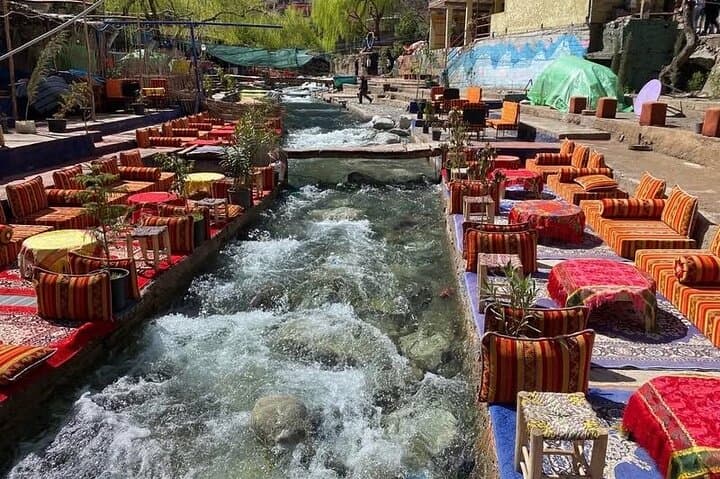
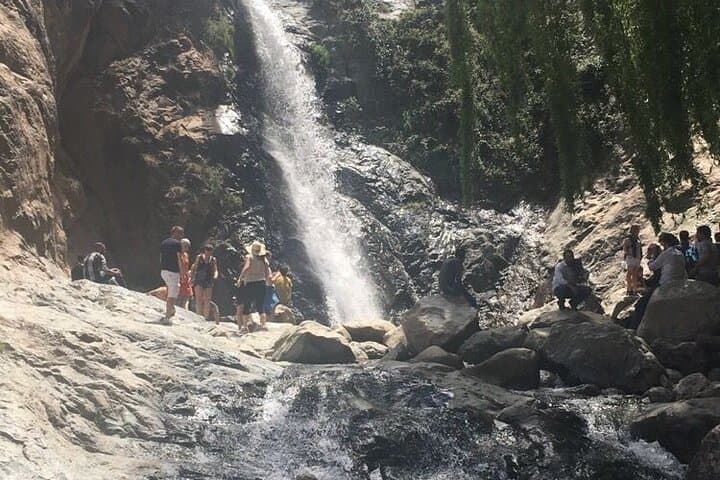
A low-slung minibus slips out of Marrakech and the air thins as the High Atlas moves closer—rock faces rising, the river daring you to follow its channel. By midmorning the driver pauses in a small Berber village and the guide points to terraces carved into the slope; the hike begins on a stony path that follows a ribbon of water toward a series of cascading falls.
Verified experiences and guided adventures in the surrounding area.
Operated by famous marrakech · Ourika (Setti Fatma), Marrakech-Safi
A low-slung minibus slips out of Marrakech and the air thins as the High Atlas moves closer—rock faces rising, the river daring you to follow its channel. By midmorning the driver pauses in a small Berber village and the guide points to terraces carved into the slope; the hike begins on a stony path that follows a ribbon of water toward a series of cascading falls.
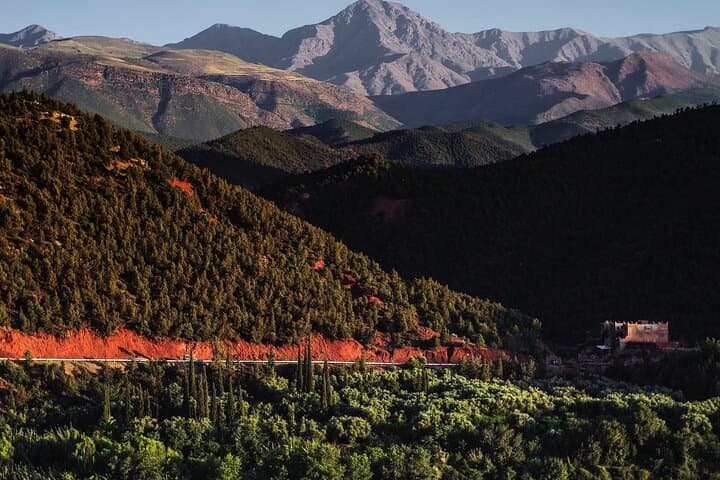
The Ourika Valley is a living landscape: ancient Berber terraces, argan trees that feed local cooperatives, and river-cut granite that shows the slow work of water and frost. Settlements here reflect centuries of mountain agriculture and trade routes between Marrakech and the High Atlas. Visitors typically stop at an argan cooperative to see cold-pressing and enjoy a family-style Moroccan lunch in a local home—an immediate cultural exchange after the walk.
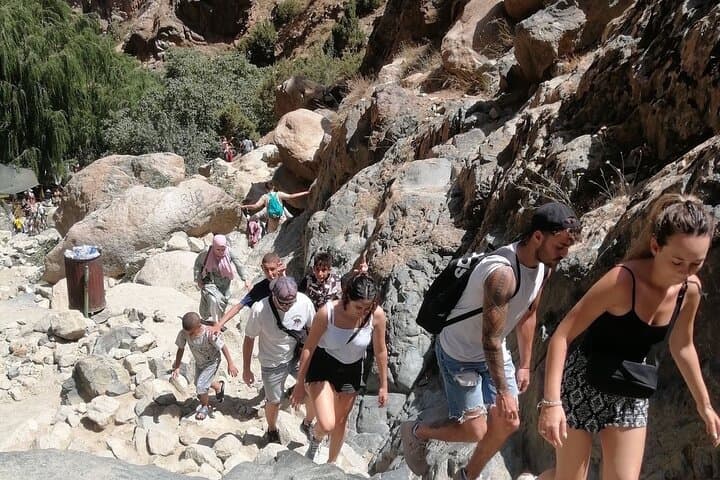
Practical details are straightforward. Expect a 7–8 hour round trip from Marrakech with an air-conditioned vehicle, roughly 4–6 km of walking on uneven trail and stone steps, and uphill sections that add 150–300 m of elevation gain depending on how far you climb. The route is moderate: not technical, but rocky and sometimes slippery after rain.
Pack sturdy footwear, sun protection, and water; allow time for photos and a relaxed lunch. Cash is useful for small purchases at cooperatives and tipping. The walk rewards with close mountain views, river sounds that push you forward, and an approachable glimpse of Atlas mountain life—an accessible day outside the city that balances scenery, culture, and light adventure.
moderate.
7–8 hours.
Suitable for travelers with moderate fitness who can manage sustained uphill walking and uneven terrain.
Most groups walk 4–6 km round-trip to the main cascades with 150–300 m of elevation gain, depending on how many falls you visit.
The walk is moderate; children used to walking and older adults with reasonable mobility can usually participate, but steep or slippery sections may be challenging.
Yes—this guided tour includes pick-up/return in an air-conditioned vehicle and a traditional Moroccan lunch at a local setting.
Yes; many itineraries include a stop at a cooperative to see argan oil production and buy locally made products.
The valley is populated by Berber (Amazigh) communities whose terrace farming and argan oil traditions date back centuries and shaped local settlement patterns.
Water is a precious local resource; stick to paths, avoid single-use plastics, and support responsible cooperatives to help the valley’s economy and environment.
famous marrakech operates guided outdoor trips and adventures with an emphasis on safety, stewardship, and memorable experiences.
A low-slung minibus slips out of Marrakech and the air thins as the High Atlas moves closer—rock faces rising, the river daring you to follow its channel. By midmorning the driver pauses in a small Berber village and the guide points to terraces carved into the slope; the hike begins on a stony path that follows a ribbon of water toward a series of cascading falls.
A low-slung minibus slips out of Marrakech and the air thins as the High Atlas moves closer—rock faces rising, the river daring you to follow its channel. By midmorning the driver pauses in a small Berber village and the guide points to terraces carved into the slope; the hike begins on a stony path that follows a ribbon of water toward a series of cascading falls.
The Ourika Valley is a living landscape: ancient Berber terraces, argan trees that feed local cooperatives, and river-cut granite that shows the slow work of water and frost. Settlements here reflect centuries of mountain agriculture and trade routes between Marrakech and the High Atlas. Visitors typically stop at an argan cooperative to see cold-pressing and enjoy a family-style Moroccan lunch in a local home—an immediate cultural exchange after the walk.
Practical details are straightforward. Expect a 7–8 hour round trip from Marrakech with an air-conditioned vehicle, roughly 4–6 km of walking on uneven trail and stone steps, and uphill sections that add 150–300 m of elevation gain depending on how far you climb. The route is moderate: not technical, but rocky and sometimes slippery after rain.
Pack sturdy footwear, sun protection, and water; allow time for photos and a relaxed lunch. Cash is useful for small purchases at cooperatives and tipping. The walk rewards with close mountain views, river sounds that push you forward, and an approachable glimpse of Atlas mountain life—an accessible day outside the city that balances scenery, culture, and light adventure.