THE ADVENTURE COLLECTIVE® · Independent discovery and booking for outdoor travel

Leave Marrakech’s bustle for a day in the Atlas: a guided hike through the Ourika Valley to Setti Fatma’s waterfalls, a visit to a women’s cooperative, and a riverside Berber lunch. This one-day trip pairs moderate trail time with cultural insights and local cuisine.
Leave Marrakech’s bustle for a day in the Atlas: a guided hike through the Ourika Valley to Setti Fatma’s waterfalls, a visit to a women’s cooperative, and a riverside Berber lunch. This one-day trip pairs moderate trail time with cultural insights and local cuisine.
A thin ribbon of asphalt drops away from Marrakech and the air changes—cooler, drier, laced with thyme and rosemary. By the time the minivan threads into the Ourika Valley, the river is already talking, urging you toward the village of Setti Fatma where limestone steps and carved pools gather the mountain’s runoff into a chain of waterfalls. Guides point out terraced fields clinging to the slopes and children running errands along mule tracks; the pace here is measured by the river’s flow.
Verified experiences and guided adventures in the surrounding area.
Operated by Morocco Wonders Tours · Setti Fatma, Marrakesh-Safi
A thin ribbon of asphalt drops away from Marrakech and the air changes—cooler, drier, laced with thyme and rosemary. By the time the minivan threads into the Ourika Valley, the river is already talking, urging you toward the village of Setti Fatma where limestone steps and carved pools gather the mountain’s runoff into a chain of waterfalls. Guides point out terraced fields clinging to the slopes and children running errands along mule tracks; the pace here is measured by the river’s flow.
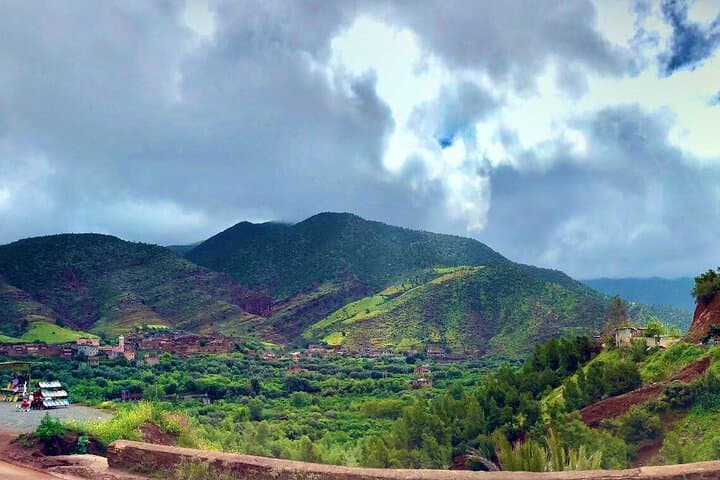
Geology here is honest and visible: folded sandstone and schist sculpt the ridgelines of the High Atlas, feeding springs that have supported Berber communities for centuries. The valley’s culture is practical and open—women’s cooperatives press argan, elders tend small olive groves, and home-cooked tagines carry the rhythm of local hospitality. Expect simple stone homes, narrow paths, and the constant background of water shaping the land.
Practically, the hike to the main cascade is a moderate trail of rocky, sometimes wet steps and roughly 200–400 m of elevation change depending on route choices; walking poles help. Guides usually tailor the pace for groups and a three-course riverside lunch follows, served family-style. Bring sturdy shoes, sun protection, and a refillable water bottle; plan for variable weather in the mountains. Swim at your own risk—pools are cold and currents can surprise. Return transport drops you back in Marrakech in the late afternoon, with the valley’s soundscape lingering as a quiet companion.
moderate.
6–7 hours.
Suitable for travelers with moderate fitness who can handle steady uphill walking and uneven terrain
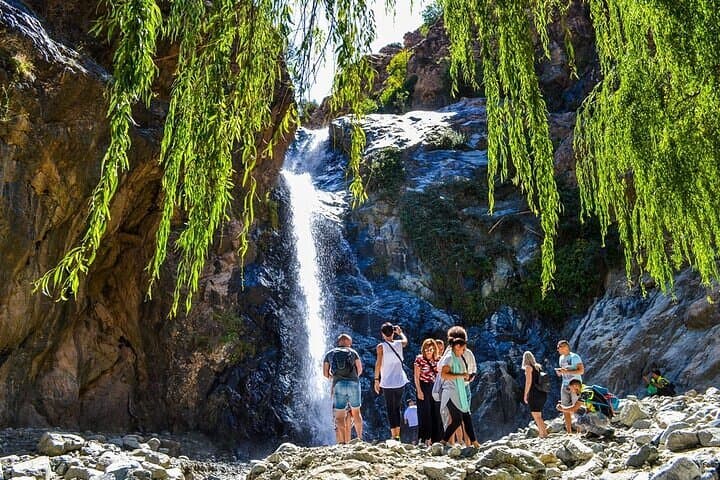
The typical walk from Setti Fatma to the main cascade is 30–60 minutes each way depending on route and fitness, with rocky steps and short steep sections.
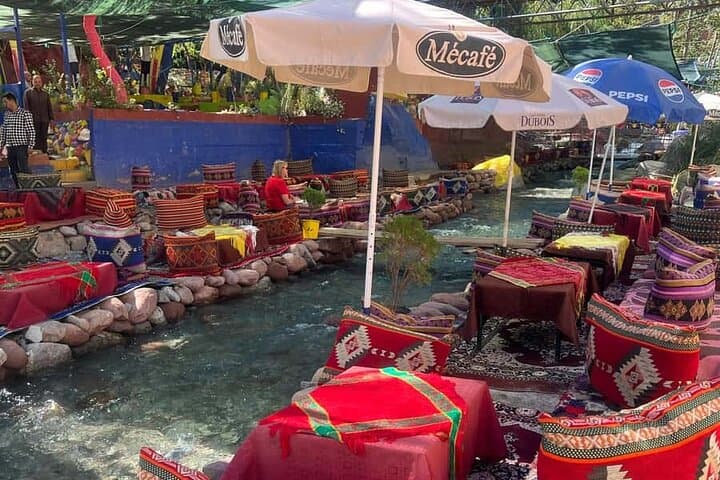
Yes — a three-course traditional Berber lunch is included and is usually served at a riverside restaurant or family home after the hike.
Swimming is allowed in some pools but water is cold and currents can be strong; exercise caution and follow your guide’s advice.
Basic facilities are available in Setti Fatma and at some riverside restaurants, but expect simple, sometimes outdoor amenities.
The Ourika Valley has been a lifeline for Berber communities for centuries, its terraces and water channels reflecting long-standing mountain agriculture and communal resource management.
Tourism supports local economies but can strain trails and rivers; stick to marked paths, avoid littering, and buy locally made products to support sustainable livelihoods.
Morocco Wonders Tours operates guided outdoor trips and adventures with an emphasis on safety, stewardship, and memorable experiences.

A thin ribbon of asphalt drops away from Marrakech and the air changes—cooler, drier, laced with thyme and rosemary. By the time the minivan threads into the Ourika Valley, the river is already talking, urging you toward the village of Setti Fatma where limestone steps and carved pools gather the mountain’s runoff into a chain of waterfalls. Guides point out terraced fields clinging to the slopes and children running errands along mule tracks; the pace here is measured by the river’s flow.
A thin ribbon of asphalt drops away from Marrakech and the air changes—cooler, drier, laced with thyme and rosemary. By the time the minivan threads into the Ourika Valley, the river is already talking, urging you toward the village of Setti Fatma where limestone steps and carved pools gather the mountain’s runoff into a chain of waterfalls. Guides point out terraced fields clinging to the slopes and children running errands along mule tracks; the pace here is measured by the river’s flow.
Geology here is honest and visible: folded sandstone and schist sculpt the ridgelines of the High Atlas, feeding springs that have supported Berber communities for centuries. The valley’s culture is practical and open—women’s cooperatives press argan, elders tend small olive groves, and home-cooked tagines carry the rhythm of local hospitality. Expect simple stone homes, narrow paths, and the constant background of water shaping the land.
Practically, the hike to the main cascade is a moderate trail of rocky, sometimes wet steps and roughly 200–400 m of elevation change depending on route choices; walking poles help. Guides usually tailor the pace for groups and a three-course riverside lunch follows, served family-style. Bring sturdy shoes, sun protection, and a refillable water bottle; plan for variable weather in the mountains. Swim at your own risk—pools are cold and currents can surprise. Return transport drops you back in Marrakech in the late afternoon, with the valley’s soundscape lingering as a quiet companion.