THE ADVENTURE COLLECTIVE® · Independent discovery and booking for outdoor travel

Escape Marrakech for a full-day drive into the Atlas foothills to hike to Setti Fatma’s waterfalls, sip Berber mint tea, and walk through mountain villages. Expect a 2–4 km mixed-terrain hike, cultural visits, and panoramic valley views.
Escape Marrakech for a full-day drive into the Atlas foothills to hike to Setti Fatma’s waterfalls, sip Berber mint tea, and walk through mountain villages. Expect a 2–4 km mixed-terrain hike, cultural visits, and panoramic valley views.
A morning drive out of Marrakech dissolves the city’s heat into the cooler breath of the High Atlas foothills. The road climbs past green orchards and irrigated terraces until the Ourika river begins to chatter — daring you toward the cluster of houses at Setti Fatma and the cascade of waterfalls above them.
Verified experiences and guided adventures in the surrounding area.
Operated by Maroc Adventure · Marrakech, Marrakech-Safi
A morning drive out of Marrakech dissolves the city’s heat into the cooler breath of the High Atlas foothills. The road climbs past green orchards and irrigated terraces until the Ourika river begins to chatter — daring you toward the cluster of houses at Setti Fatma and the cascade of waterfalls above them.
This valley has long been a corridor for Amazigh (Berber) life. Ancient tracks connect hamlets where stone houses and herb gardens still mark a rural pace of life; nearby Jebel Yagour bears prehistoric rock art, and the plain of Haouz opens toward older settlements like Aghmat. Geologically, the lower Atlas foothills are a mosaic of folded rock and river-carved gullies, where seasonal snowmelt feeds whitewater channels that sculpt the valley.
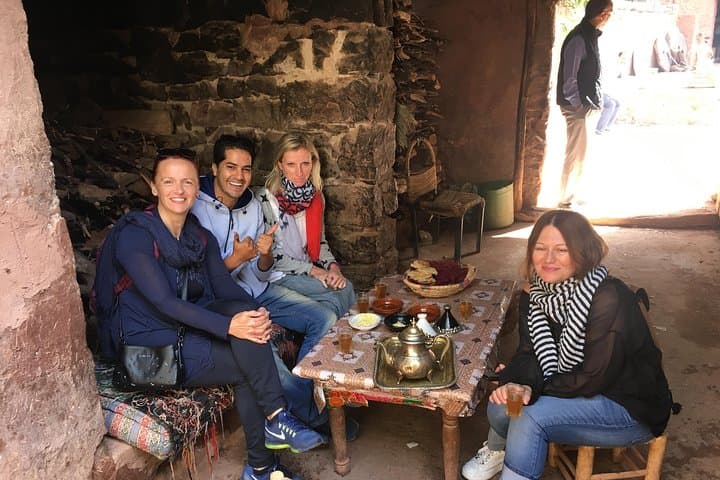
Culturally the trip is quiet and interpersonal: expect invitations for mint tea in small family-run gardens and the soft commerce of village stalls. The hike to Setti Fatma’s falls is straightforward but variable — rough stone steps, slick river crossings, and short steep pitches — typically 2–4 km round-trip with roughly 200–400 m of ascent depending on how high you climb.
Practical advice: start early to avoid crowds and mid-day heat, wear grippy footwear for wet rocks, and carry water and sun protection. Guides usually include pickup from Marrakech (around 9:00), allow time for photos and a tea stop, and return in the late afternoon. Respect local customs, pack out waste, and leave room in your day for the slow rhythms of village life.
moderate.
8–9 hours.
Moderate fitness: comfortable walking on uneven trails and short uphill sections; able to handle repeated stair-like steps.
The common route is roughly 2–4 km round-trip depending on how many cascades you visit, with about 200–400 m of cumulative elevation change.
Most full-day tours provide hotel pickup around 9:00 and return in the late afternoon; confirm your exact pickup point when booking.
Shorter sections are suitable for children and active older travelers, but the path includes uneven stone steps and stream crossings — assess mobility and take it slow.
Guided tours typically include transport and a tea stop; admissions, fuller meals, and optional local guides or porters may be extra — check the tour inclusions.
The Ourika Valley has been inhabited by Amazigh (Berber) communities for centuries; nearby Aghmat was an early regional settlement predating later Islamic urban centers.
Tourism concentrates at the falls; follow leave-no-trace practices, avoid polluting streams, and support local family-run tea stops to benefit communities.
Maroc Adventure operates guided outdoor trips and adventures with an emphasis on safety, stewardship, and memorable experiences.
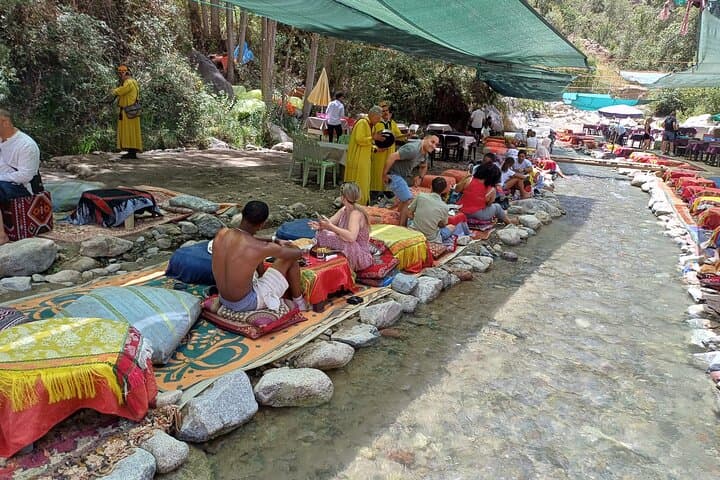
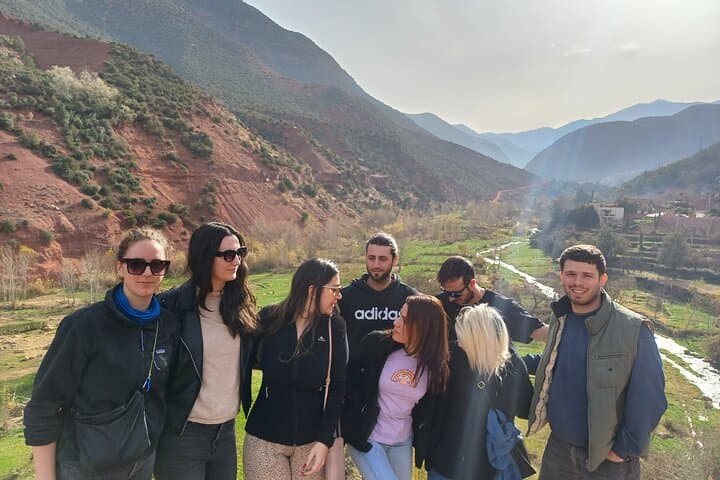
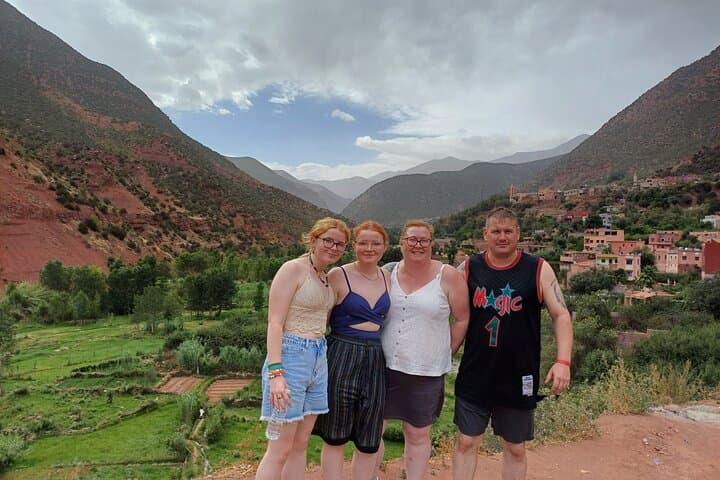
A morning drive out of Marrakech dissolves the city’s heat into the cooler breath of the High Atlas foothills. The road climbs past green orchards and irrigated terraces until the Ourika river begins to chatter — daring you toward the cluster of houses at Setti Fatma and the cascade of waterfalls above them.
A morning drive out of Marrakech dissolves the city’s heat into the cooler breath of the High Atlas foothills. The road climbs past green orchards and irrigated terraces until the Ourika river begins to chatter — daring you toward the cluster of houses at Setti Fatma and the cascade of waterfalls above them.
This valley has long been a corridor for Amazigh (Berber) life. Ancient tracks connect hamlets where stone houses and herb gardens still mark a rural pace of life; nearby Jebel Yagour bears prehistoric rock art, and the plain of Haouz opens toward older settlements like Aghmat. Geologically, the lower Atlas foothills are a mosaic of folded rock and river-carved gullies, where seasonal snowmelt feeds whitewater channels that sculpt the valley.
Culturally the trip is quiet and interpersonal: expect invitations for mint tea in small family-run gardens and the soft commerce of village stalls. The hike to Setti Fatma’s falls is straightforward but variable — rough stone steps, slick river crossings, and short steep pitches — typically 2–4 km round-trip with roughly 200–400 m of ascent depending on how high you climb.
Practical advice: start early to avoid crowds and mid-day heat, wear grippy footwear for wet rocks, and carry water and sun protection. Guides usually include pickup from Marrakech (around 9:00), allow time for photos and a tea stop, and return in the late afternoon. Respect local customs, pack out waste, and leave room in your day for the slow rhythms of village life.