THE ADVENTURE COLLECTIVE® · Independent discovery and booking for outdoor travel

Escape the bustle of Marrakech for a day among Atlas foothills, rivers and terraced Berber villages. This accessible Ourika Valley excursion mixes short waterfall hikes, local markets and a riverside Moroccan lunch.
Escape the bustle of Marrakech for a day among Atlas foothills, rivers and terraced Berber villages. This accessible Ourika Valley excursion mixes short waterfall hikes, local markets and a riverside Moroccan lunch.
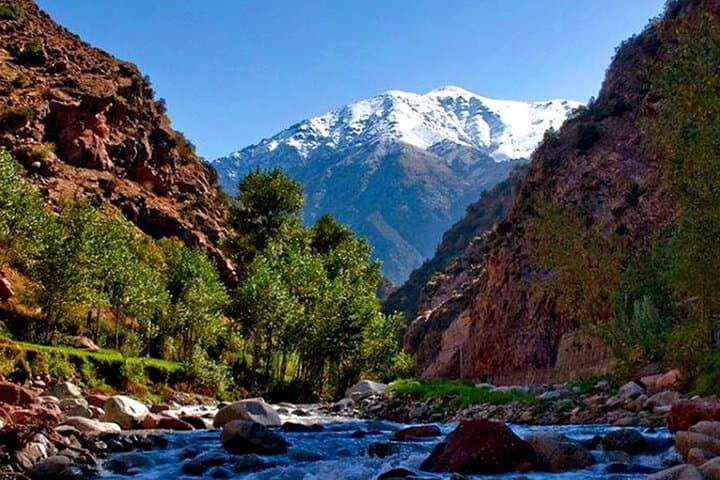
A gravel road peels away from Marrakech and the air cools as the Atlas foothills close in. In the Ourika Valley, rivers thread through terraces and the sound of water pulls focus—the river seems to dare you to follow it upstream. Small stone villages cling to slopes; olive trees and fig orchards tilt toward sun-washed fields.
Verified experiences and guided adventures in the surrounding area.
Operated by Authentic Morocco Tours · Marrakech, Marrakech-Safi
A gravel road peels away from Marrakech and the air cools as the Atlas foothills close in. In the Ourika Valley, rivers thread through terraces and the sound of water pulls focus—the river seems to dare you to follow it upstream. Small stone villages cling to slopes; olive trees and fig orchards tilt toward sun-washed fields.
Geologically, the valley is carved from Paleozoic schists and red sandstone; seasonal snowmelt from the High Atlas swells streams in spring and scours narrow gorges. Culturally, the valley is shaped by Amazigh (Berber) lifeways—stone houses, stepped terraces and teahouses where mint tea is shared like an invitation. Local families have farmed these slopes for generations, maintaining irrigation channels that animate the landscape.
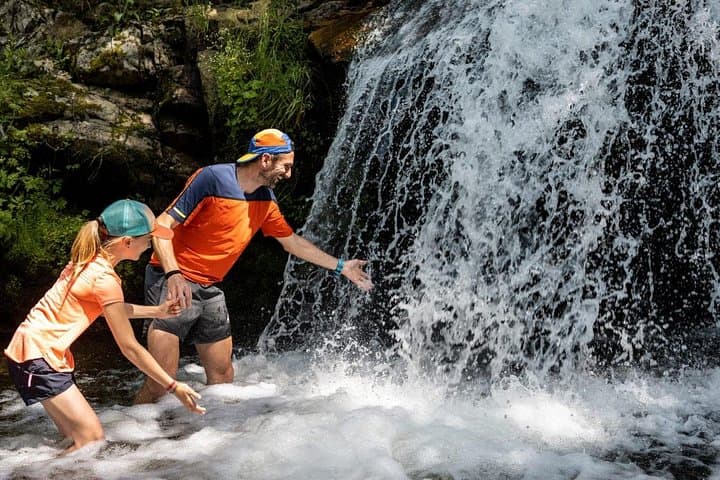
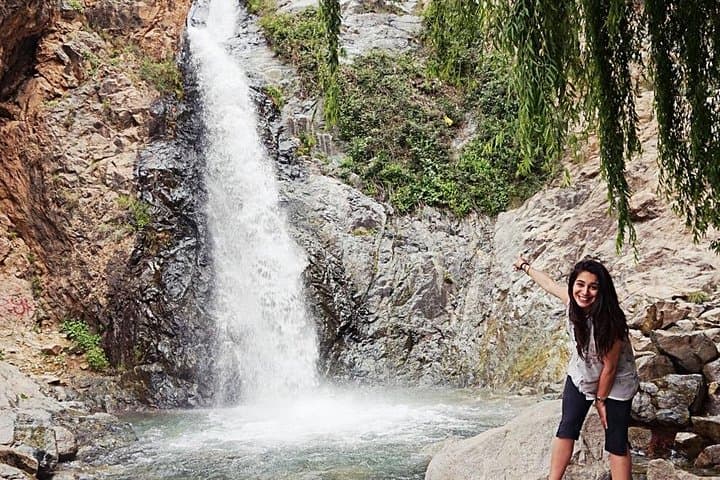
The trip typically includes short hikes to a series of waterfalls near Setti Fatma: expect uneven trail surfaces, rocky steps, and several river crossings. Distances are modest—individual hikes often run 1–3 km round-trip with up to ~300 m of ascent if you climb to upper falls—making the route suitable for most walkers but not for those with significant mobility restrictions.
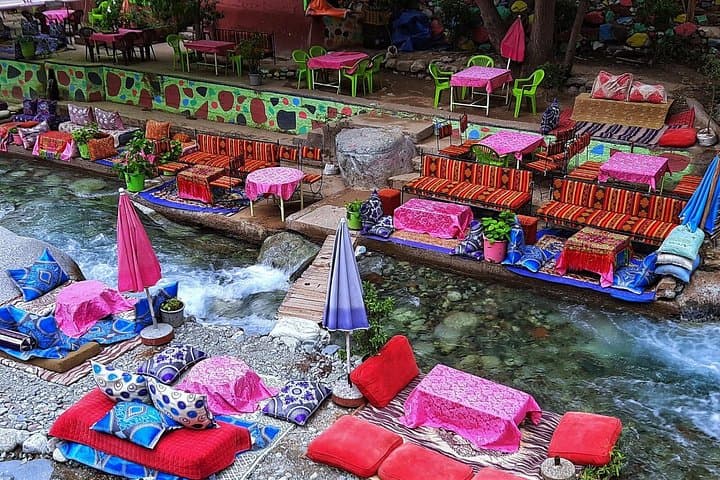
Practical notes: start early to avoid midday heat and midday traffic returning to Marrakech; wear sturdy shoes with grip for wet rocks; bring at least 1–2 liters of water and sun protection. Local guides arrange a riverside lunch of tagine and salads—bring cash for markets, small tips, and a spirit of curiosity when visiting family-run tea houses. Respect marked paths and local customs: keep noise low around villages and take all trash with you.
easy.
8 hours.
Suitable for travelers in general health; must be able to walk 1–3 km on uneven terrain and manage short, steep sections.
The full excursion is about 8 hours including transport, short hikes, lunch, and stops in villages.
Hikes are short (1–3 km round-trip) with uneven, rocky sections and modest climbs—suitable for most walkers but not for those with serious mobility issues.
Yes, a riverside Moroccan lunch is typically included; bring extra cash for drinks or market purchases.
Most operators offer pickup from central Marrakech hotels or riads—confirm pickup point when booking.
The Ourika Valley has long been shaped by Amazigh agricultural terraces and water-sharing practices dating back centuries.
Rising visitor numbers strain trails and water resources; stick to paths, avoid single-use plastics, and support local family-run businesses to spread benefit.
Authentic Morocco Tours operates guided outdoor trips and adventures with an emphasis on safety, stewardship, and memorable experiences.
A gravel road peels away from Marrakech and the air cools as the Atlas foothills close in. In the Ourika Valley, rivers thread through terraces and the sound of water pulls focus—the river seems to dare you to follow it upstream. Small stone villages cling to slopes; olive trees and fig orchards tilt toward sun-washed fields.
A gravel road peels away from Marrakech and the air cools as the Atlas foothills close in. In the Ourika Valley, rivers thread through terraces and the sound of water pulls focus—the river seems to dare you to follow it upstream. Small stone villages cling to slopes; olive trees and fig orchards tilt toward sun-washed fields.
Geologically, the valley is carved from Paleozoic schists and red sandstone; seasonal snowmelt from the High Atlas swells streams in spring and scours narrow gorges. Culturally, the valley is shaped by Amazigh (Berber) lifeways—stone houses, stepped terraces and teahouses where mint tea is shared like an invitation. Local families have farmed these slopes for generations, maintaining irrigation channels that animate the landscape.
The trip typically includes short hikes to a series of waterfalls near Setti Fatma: expect uneven trail surfaces, rocky steps, and several river crossings. Distances are modest—individual hikes often run 1–3 km round-trip with up to ~300 m of ascent if you climb to upper falls—making the route suitable for most walkers but not for those with significant mobility restrictions.
Practical notes: start early to avoid midday heat and midday traffic returning to Marrakech; wear sturdy shoes with grip for wet rocks; bring at least 1–2 liters of water and sun protection. Local guides arrange a riverside lunch of tagine and salads—bring cash for markets, small tips, and a spirit of curiosity when visiting family-run tea houses. Respect marked paths and local customs: keep noise low around villages and take all trash with you.