THE ADVENTURE COLLECTIVE® · Independent discovery and booking for outdoor travel

Escape Marrakech for a day and follow the Ourika River into the High Atlas. This accessible day trip delivers waterfalls, terraced farms, and authentic Berber village life with short hikes and easy cultural stops.
Escape Marrakech for a day and follow the Ourika River into the High Atlas. This accessible day trip delivers waterfalls, terraced farms, and authentic Berber village life with short hikes and easy cultural stops.
The road out of Marrakech climbs and flattens, then the river’s voice grows—clear and quick—daring you toward the Ourika Valley. By the time traditional stone houses and terraced fields pass by the van window, the air is cooler and the landscape moves from ochre cityscapes to the folded geometry of the High Atlas.
Verified experiences and guided adventures in the surrounding area.
Operated by Tours Around Morocco · Setti Fatma, Marrakesh-Safi
The road out of Marrakech climbs and flattens, then the river’s voice grows—clear and quick—daring you toward the Ourika Valley. By the time traditional stone houses and terraced fields pass by the van window, the air is cooler and the landscape moves from ochre cityscapes to the folded geometry of the High Atlas.
Geology here is direct: schist and granite outcrops gouge the slopes, channels carve terraces for olive and almond trees, and the Ourika River threads villages where Berber families farm small plots. The most visited stretch runs to Setti Fatma, a string of waterfalls reached by a compact, stepped trail that most groups cover in 1–2 hours roundtrip. Typical walks are roughly 2–4 km with 150–300 m of uphill sections depending on how far you follow the upper falls.
Culturally, expect warm, straightforward hospitality—markets, roadside tea stops, and women selling embroidered goods near trailheads. The valley’s history is readable in irrigation terraces and mule tracks that predate modern roads; it’s a working landscape shaped by seasonal water and mountain weather.
Practical guidance: start early from Marrakech to avoid mid-day heat and crowds; wear grippy shoes for wet rock and stone steps; bring 1–2 liters of water, sun protection and small change for tea or snacks. If you plan to reach higher cascades, be prepared for narrow paths and short scramble sections. The day trip is ideal for travelers who want accessible mountain scenery, a taste of Berber village life, and hands-on river trails without technical gear.
moderate.
6–8 hours.
Moderate fitness; able to walk uneven trails and handle short uphill sections for up to a few hours.
The drive typically takes about 45–75 minutes depending on traffic and your exact drop-off point; tours often include hotel pickup and return.
No—most visitors reach the lower cascades on well-defined paths; reaching upper falls requires more stamina and care on uneven terrain.
Yes, but flow varies: spring snowmelt and winter rains increase flow, while late summer can be drier; upper reaches may diminish in very dry years.
Yes—small tea houses and vendors sell mint tea, snacks and crafts near Setti Fatma and main parking areas; carry cash.
The Ourika Valley has long been inhabited by Berber communities who shaped terraces and irrigation systems to farm steep slopes; mule tracks and village architecture reflect centuries of mountain life.
The valley is a working landscape where tourism pressures can affect water and waste management; stick to trails, avoid littering, and support local businesses to keep seasonal incomes sustainable.
Tours Around Morocco operates guided outdoor trips and adventures with an emphasis on safety, stewardship, and memorable experiences.
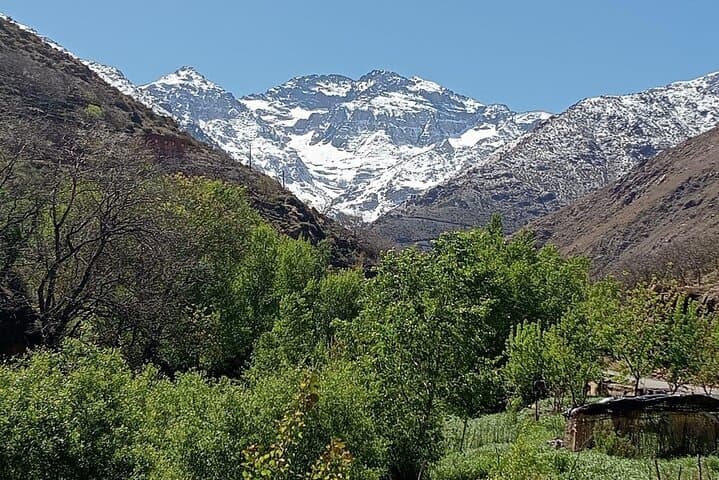
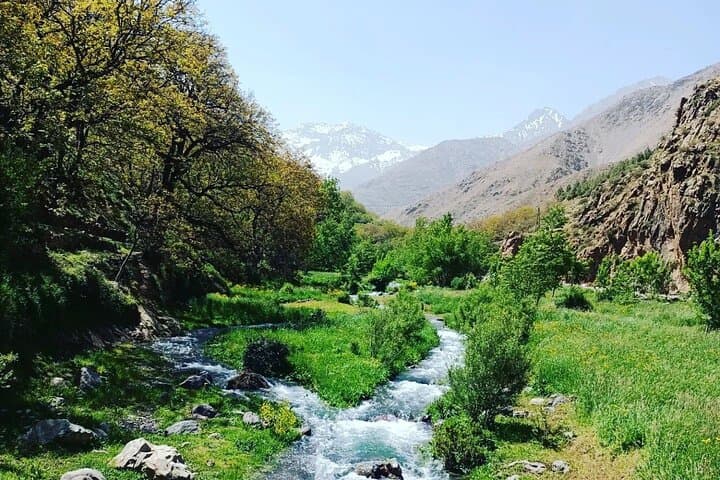
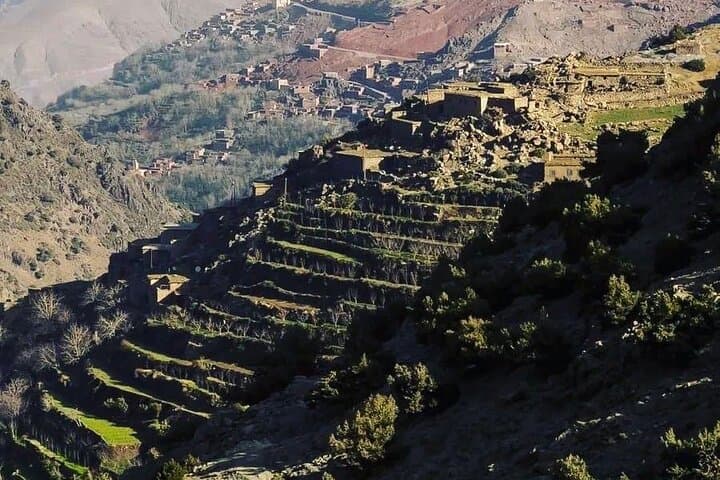
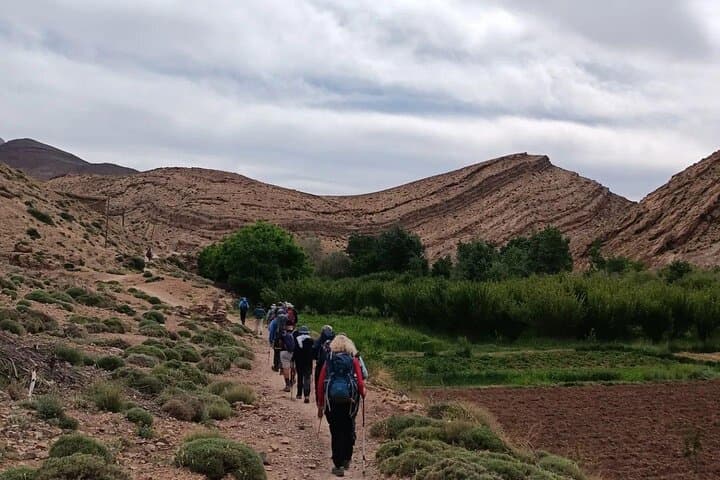
The road out of Marrakech climbs and flattens, then the river’s voice grows—clear and quick—daring you toward the Ourika Valley. By the time traditional stone houses and terraced fields pass by the van window, the air is cooler and the landscape moves from ochre cityscapes to the folded geometry of the High Atlas.
The road out of Marrakech climbs and flattens, then the river’s voice grows—clear and quick—daring you toward the Ourika Valley. By the time traditional stone houses and terraced fields pass by the van window, the air is cooler and the landscape moves from ochre cityscapes to the folded geometry of the High Atlas.
Geology here is direct: schist and granite outcrops gouge the slopes, channels carve terraces for olive and almond trees, and the Ourika River threads villages where Berber families farm small plots. The most visited stretch runs to Setti Fatma, a string of waterfalls reached by a compact, stepped trail that most groups cover in 1–2 hours roundtrip. Typical walks are roughly 2–4 km with 150–300 m of uphill sections depending on how far you follow the upper falls.
Culturally, expect warm, straightforward hospitality—markets, roadside tea stops, and women selling embroidered goods near trailheads. The valley’s history is readable in irrigation terraces and mule tracks that predate modern roads; it’s a working landscape shaped by seasonal water and mountain weather.
Practical guidance: start early from Marrakech to avoid mid-day heat and crowds; wear grippy shoes for wet rock and stone steps; bring 1–2 liters of water, sun protection and small change for tea or snacks. If you plan to reach higher cascades, be prepared for narrow paths and short scramble sections. The day trip is ideal for travelers who want accessible mountain scenery, a taste of Berber village life, and hands-on river trails without technical gear.