THE ADVENTURE COLLECTIVE® · Independent discovery and booking for outdoor travel

Take a full-day trip from Marrakech to the Ourika Valley for an accessible hike to Setti Fatma waterfalls, a visit to a women’s argan cooperative, and lunch by the river. Early starts, sturdy shoes, and basic trail sense make this a rewarding day trip into the Atlas foothills.
Take a full-day trip from Marrakech to the Ourika Valley for an accessible hike to Setti Fatma waterfalls, a visit to a women’s argan cooperative, and lunch by the river. Early starts, sturdy shoes, and basic trail sense make this a rewarding day trip into the Atlas foothills.
You leave Marrakech before the city heats up and the road to the Atlas unfolds: a low, rocky spine that pushes the sky back and lets the valley breathe. The drive itself is part of the trip—olive terraces and terracotta villages slip by while the Atlas foothills sharpen into cliffs. At the village of Setti Fatma, the river begins to speak louder; its pools dare you closer and the first cascade appears within an easy walk.
Verified experiences and guided adventures in the surrounding area.
Operated by Explore My Morocco tours · Setti Fatma, Marrakech-Safi
You leave Marrakech before the city heats up and the road to the Atlas unfolds: a low, rocky spine that pushes the sky back and lets the valley breathe. The drive itself is part of the trip—olive terraces and terracotta villages slip by while the Atlas foothills sharpen into cliffs. At the village of Setti Fatma, the river begins to speak louder; its pools dare you closer and the first cascade appears within an easy walk.
The valley is shaped by volcanic rock and folded mountains, a landscape carved by winter snowmelt that channels into steep, stepped streams. Local women run argan cooperatives nearby, pressing oil the way families have for generations—an everyday craft that links Berber culture to commerce and hospitality. Market stalls near the trail sell handwoven scarves and freshly brewed mint tea; stopping here is as much a cultural visit as a hike.
The trail to the main falls ranges from gentle riverside paths to steeper footpaths where sturdy shoes repay the effort with narrow viewpoints and quieter falls. The first waterfall is accessible for most walkers; pushing higher through rock and shade leads to smaller, more private cascades that reward careful hikers.
Practically: start early, bring 1–2 liters of water and sun protection, and wear closed shoes with grip for slick steps. Lunch at a riverside restaurant commonly features tagine and couscous—simple, warming food after a morning on your feet. Return to Marrakech in the evening, the valley leaving you with one last glimpse of water threading the mountainside.
moderate.
6–8 hours.
Suitable for average fitness: some uphill sections and uneven footing require steady legs and balance.
The approach to the first waterfall is short—20–40 minutes from Setti Fatma—while exploring multiple cascades and higher viewpoints can extend walking time to 2–3 hours total.
The main falls are accessible to many ages, but steeper, higher paths require sure footing; families should evaluate mobility and avoid risky sections.
This day trip typically includes transportation from Marrakech and a local guide; confirm pickup details and meeting points at booking.
Yes—Setti Fatma has riverside restaurants and small stalls; still bring water for the hike itself since supplies are limited on steeper sections.
The Ourika Valley has long been home to Berber communities who farm terraced slopes and trade argan oil; the valley has served as a lowland route into the High Atlas for centuries.
Visitor pressure can strain water quality and fragile riverbanks—stick to established paths, avoid littering, and buy local goods to support community livelihoods.
Explore My Morocco tours operates guided outdoor trips and adventures with an emphasis on safety, stewardship, and memorable experiences.


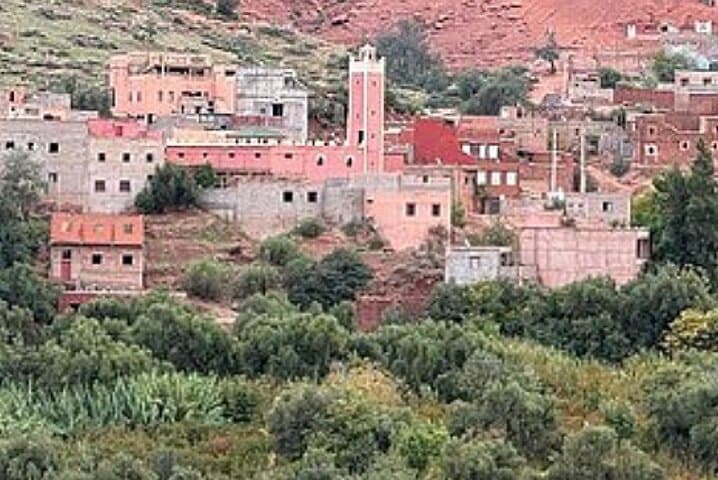
You leave Marrakech before the city heats up and the road to the Atlas unfolds: a low, rocky spine that pushes the sky back and lets the valley breathe. The drive itself is part of the trip—olive terraces and terracotta villages slip by while the Atlas foothills sharpen into cliffs. At the village of Setti Fatma, the river begins to speak louder; its pools dare you closer and the first cascade appears within an easy walk.
You leave Marrakech before the city heats up and the road to the Atlas unfolds: a low, rocky spine that pushes the sky back and lets the valley breathe. The drive itself is part of the trip—olive terraces and terracotta villages slip by while the Atlas foothills sharpen into cliffs. At the village of Setti Fatma, the river begins to speak louder; its pools dare you closer and the first cascade appears within an easy walk.
The valley is shaped by volcanic rock and folded mountains, a landscape carved by winter snowmelt that channels into steep, stepped streams. Local women run argan cooperatives nearby, pressing oil the way families have for generations—an everyday craft that links Berber culture to commerce and hospitality. Market stalls near the trail sell handwoven scarves and freshly brewed mint tea; stopping here is as much a cultural visit as a hike.
The trail to the main falls ranges from gentle riverside paths to steeper footpaths where sturdy shoes repay the effort with narrow viewpoints and quieter falls. The first waterfall is accessible for most walkers; pushing higher through rock and shade leads to smaller, more private cascades that reward careful hikers.
Practically: start early, bring 1–2 liters of water and sun protection, and wear closed shoes with grip for slick steps. Lunch at a riverside restaurant commonly features tagine and couscous—simple, warming food after a morning on your feet. Return to Marrakech in the evening, the valley leaving you with one last glimpse of water threading the mountainside.