THE ADVENTURE COLLECTIVE® · Independent discovery and booking for outdoor travel

Spend a flexible day in the Ourika Valley hiking to waterfalls, visiting Berber homes, and sampling local lunch. This private tour pairs cultural access with time to explore at your own pace.
Spend a flexible day in the Ourika Valley hiking to waterfalls, visiting Berber homes, and sampling local lunch. This private tour pairs cultural access with time to explore at your own pace.
You leave Marrakech’s ochre roofs behind and follow a road that climbs into the High Atlas, the air cooling as cedars and almond trees edge the valley. Ourika’s river threads the floor of the valley, daring you toward a series of stepped waterfalls and compact Berber villages clinging to terraced slopes. Small farms and ankle-deep streams set the rhythm: stop, listen, cross, and continue.
Verified experiences and guided adventures in the surrounding area.
Operated by Xcursion Guide · Marrakech, Marrakech-Safi
You leave Marrakech’s ochre roofs behind and follow a road that climbs into the High Atlas, the air cooling as cedars and almond trees edge the valley. Ourika’s river threads the floor of the valley, daring you toward a series of stepped waterfalls and compact Berber villages clinging to terraced slopes. Small farms and ankle-deep streams set the rhythm: stop, listen, cross, and continue.
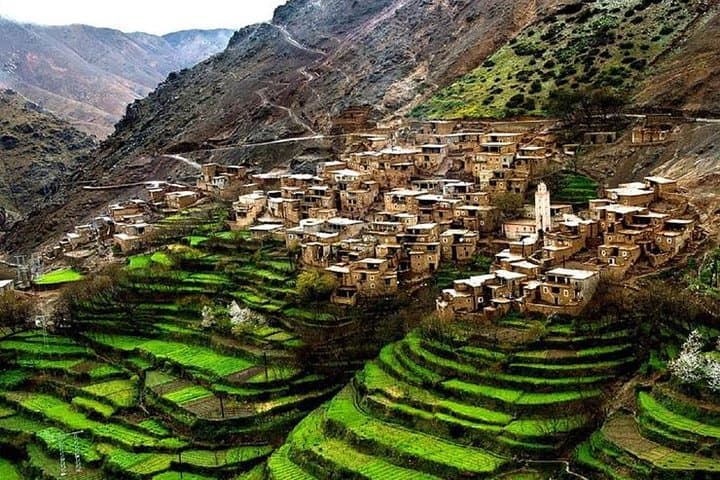
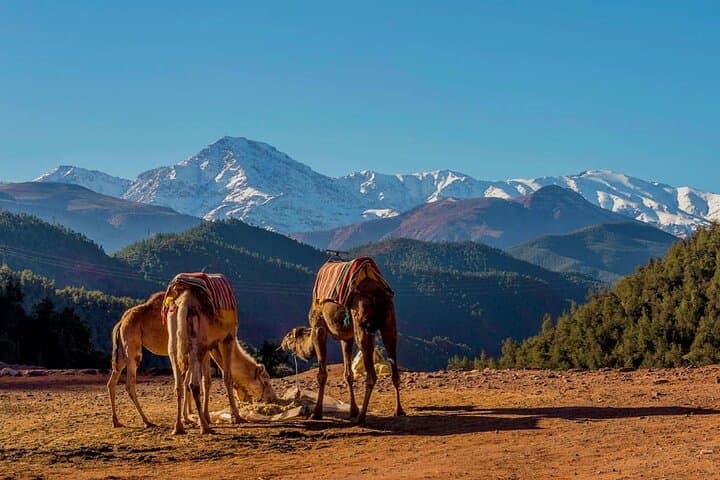
The valley has long been shaped by Amazigh (Berber) communities who engineered stone terraces and irrigation channels to farm the steep hillsides; the geology is folded and fractured schist and sandstone, hollowed into gullies by seasonal runoff. Culturally the day blends simple home hospitality, market stalls selling argan oil and woven goods, and an optional camel ride for a touch of the region’s broader desert traditions.
Expect a flexible day: an air-conditioned transfer from Marrakech, a local guide to arrange a home visit and lunch, and time to hike toward the higher cascades. Trails are short but uneven—stone steps and dirt paths rise and fall; rain makes them slippery. The waterfalls are most dramatic after winter rains and quieter in late summer.
Practical edge: start early to avoid midday heat, carry cash for village purchases, and bring sturdy shoes with grip. Hydrate frequently—the valley’s shade shifts quickly—and respect private homes when visiting. This is a day of readable distances and rich cultural contact: not a mountaineering slog but a full immersion in landscape and local life.
easy.
6–12 hours.
Suitable for average fitness; involves short walks on uneven terrain and optional climbs to higher cascades.
Yes—most private day trips include round-trip hotel pickup from Marrakech in an air-conditioned vehicle; confirm exact pickup point at booking.
The path is short but uneven; most sections are suitable for casual walkers, though there are steep steps and some slippery areas after rain.
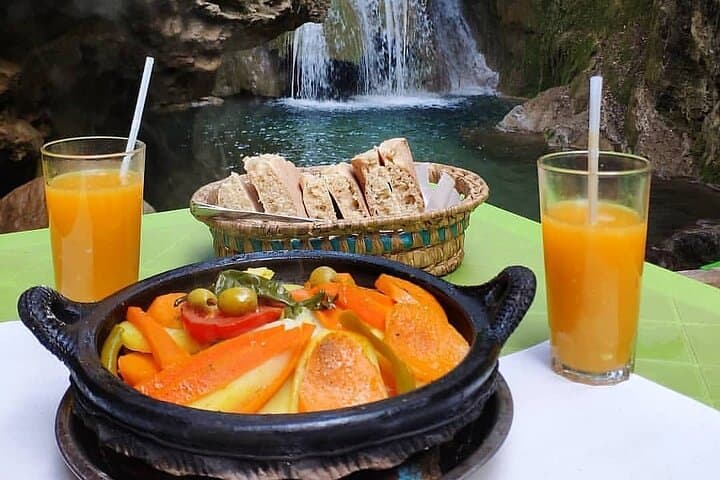
The tour typically includes a local lunch and guide-arranged visits; confirm whether camel ride or specific home-visit costs are covered when booking.
Local guides commonly speak English and French, and often Arabic; ask the operator for language preferences when you reserve.
The Ourika Valley has long been inhabited by Amazigh communities who built stone terraces and irrigation systems to farm steep slopes and manage seasonal streams.
Tourism supports local economies but increases pressure on trails and water; stick to paths, avoid single-use plastics, and buy local goods to benefit residents.
Xcursion Guide operates guided outdoor trips and adventures with an emphasis on safety, stewardship, and memorable experiences.
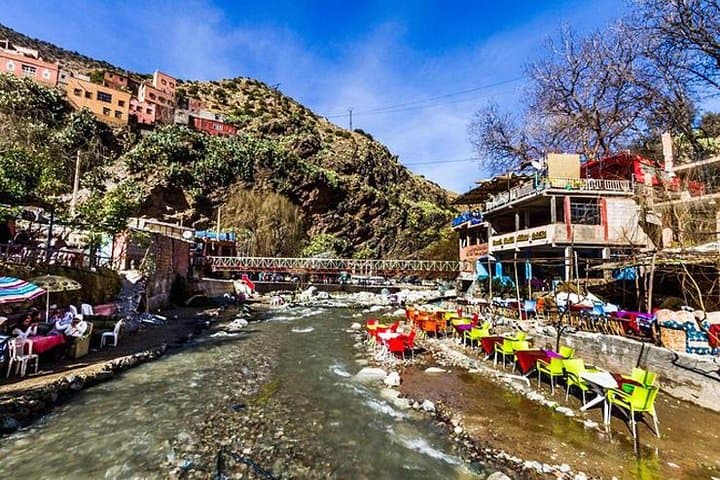
You leave Marrakech’s ochre roofs behind and follow a road that climbs into the High Atlas, the air cooling as cedars and almond trees edge the valley. Ourika’s river threads the floor of the valley, daring you toward a series of stepped waterfalls and compact Berber villages clinging to terraced slopes. Small farms and ankle-deep streams set the rhythm: stop, listen, cross, and continue.
You leave Marrakech’s ochre roofs behind and follow a road that climbs into the High Atlas, the air cooling as cedars and almond trees edge the valley. Ourika’s river threads the floor of the valley, daring you toward a series of stepped waterfalls and compact Berber villages clinging to terraced slopes. Small farms and ankle-deep streams set the rhythm: stop, listen, cross, and continue.
The valley has long been shaped by Amazigh (Berber) communities who engineered stone terraces and irrigation channels to farm the steep hillsides; the geology is folded and fractured schist and sandstone, hollowed into gullies by seasonal runoff. Culturally the day blends simple home hospitality, market stalls selling argan oil and woven goods, and an optional camel ride for a touch of the region’s broader desert traditions.
Expect a flexible day: an air-conditioned transfer from Marrakech, a local guide to arrange a home visit and lunch, and time to hike toward the higher cascades. Trails are short but uneven—stone steps and dirt paths rise and fall; rain makes them slippery. The waterfalls are most dramatic after winter rains and quieter in late summer.
Practical edge: start early to avoid midday heat, carry cash for village purchases, and bring sturdy shoes with grip. Hydrate frequently—the valley’s shade shifts quickly—and respect private homes when visiting. This is a day of readable distances and rich cultural contact: not a mountaineering slog but a full immersion in landscape and local life.