THE ADVENTURE COLLECTIVE® · Independent discovery and booking for outdoor travel

Escape Marrakech for a private day in the Ourika Valley, where terraced farms, Berber villages, and cascading waterfalls offer a hands-on taste of Atlas life. This accessible 8‑hour trip blends easy hiking, a riverside lunch, and visits to local cooperatives.
Escape Marrakech for a private day in the Ourika Valley, where terraced farms, Berber villages, and cascading waterfalls offer a hands-on taste of Atlas life. This accessible 8‑hour trip blends easy hiking, a riverside lunch, and visits to local cooperatives.
You leave Marrakech behind and the city’s heat thins as the road climbs toward cedar-sprinkled ridges. The Ourika River threads the valley, a bronze ribbon daring you toward basalt cliffs and terraced fields. Narrow tracks open onto a pair of cascades — water that cuts through rock, cools the air, and pushes visitors to pause.
Verified experiences and guided adventures in the surrounding area.
Operated by Ask for tour · Ourika, Marrakech-Safi
You leave Marrakech behind and the city’s heat thins as the road climbs toward cedar-sprinkled ridges. The Ourika River threads the valley, a bronze ribbon daring you toward basalt cliffs and terraced fields. Narrow tracks open onto a pair of cascades — water that cuts through rock, cools the air, and pushes visitors to pause.
The valley has been shaped by Amazigh (Berber) farming for centuries: stepped plots climb the slopes and small stone villages mark family holdings. Geologically, the High Atlas here is folded and fractured limestone and schist, creating abrupt drop-offs and gullies that feed the waterfalls after seasonal rains.
Culture is immediate: women’s cooperatives press argan by hand, and families still cook tagine over charcoal. Hosts invite travelers into simple homes for mint tea; conversation is practical and warm, not staged. Expect hardy shepherd dogs, raptors circling thermals, and a landscape that changes tone with the sun.
Practical guidance: this is a full 8-hour day from Marrakech with mostly easy walking on rocky, sometimes slippery trails. Wear sturdy shoes and bring layered clothing for cool mornings and warmer afternoons. Carry water (1–2 liters), cash for cooperatives and tipping, and a small camera with a neck strap for narrow paths. Start early to avoid midday heat and allow extra time at the waterfalls and for the riverside lunch.
The trip suits travelers who want a compact mix of nature, light hiking, and cultural exchange without multi-day planning — an accessible Atlas experience within an easy drive of Marrakech.
easy.
8 hours.
Suitable for most fitness levels; involves short guided walks on uneven terrain and some steps
The valley is about 30–45 km south of Marrakech; travel time is roughly 45–60 minutes by car depending on traffic and exact drop-off.
No — the guided hike is short and rated easy, but trails are uneven and can be slippery, so good footwear is recommended.
Yes, the tour includes a traditional Moroccan lunch by the riverside as part of the full-day itinerary.
The overall day is suitable for families, but access to some waterfall viewpoints involves steps and uneven ground; check accessibility needs with the operator.
The Ourika Valley has long been home to Amazigh farming communities who carved terraces and retained traditional craft and agricultural practices.
Tourism supports local cooperatives but can strain water and waste systems; bring reusable bottles, respect private homes, and buy locally made products.
Ask for tour operates guided outdoor trips and adventures with an emphasis on safety, stewardship, and memorable experiences.
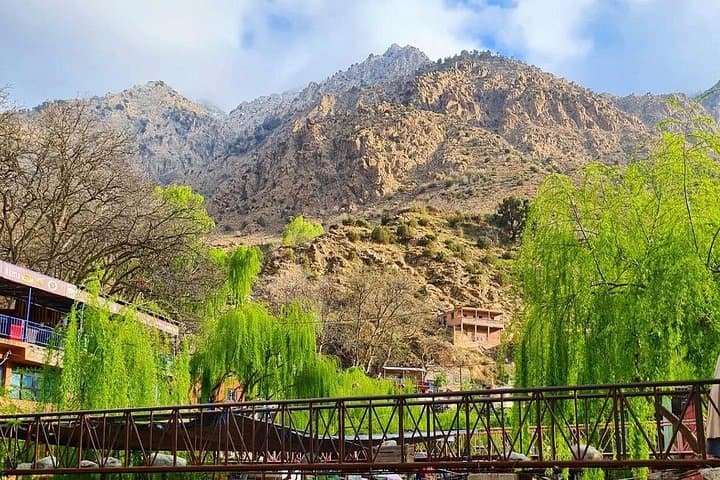
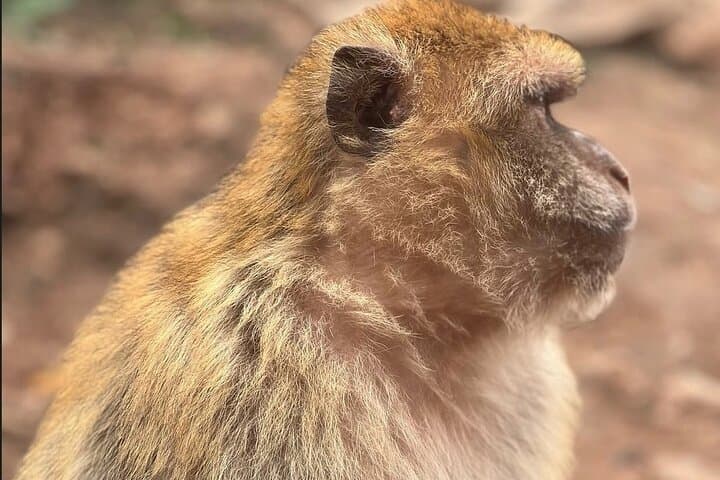
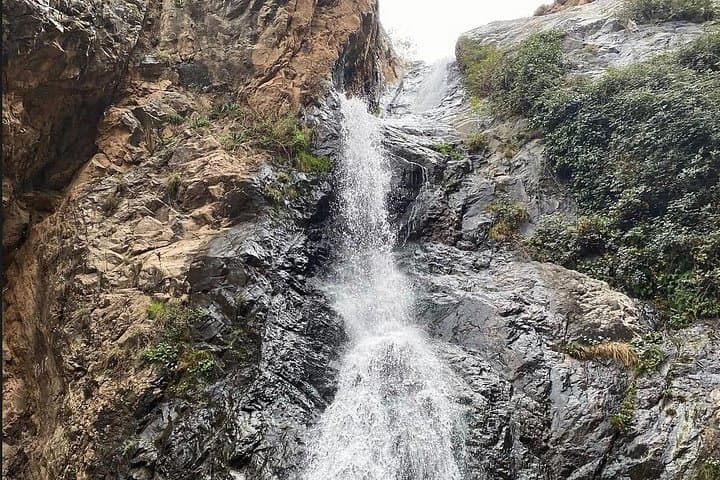
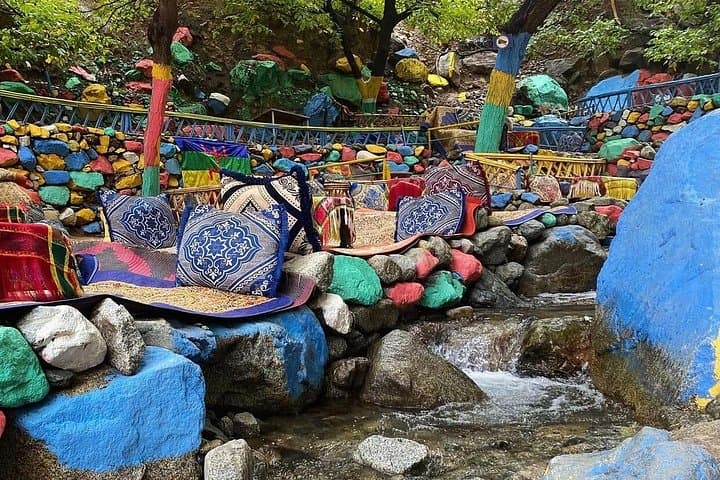
You leave Marrakech behind and the city’s heat thins as the road climbs toward cedar-sprinkled ridges. The Ourika River threads the valley, a bronze ribbon daring you toward basalt cliffs and terraced fields. Narrow tracks open onto a pair of cascades — water that cuts through rock, cools the air, and pushes visitors to pause.
You leave Marrakech behind and the city’s heat thins as the road climbs toward cedar-sprinkled ridges. The Ourika River threads the valley, a bronze ribbon daring you toward basalt cliffs and terraced fields. Narrow tracks open onto a pair of cascades — water that cuts through rock, cools the air, and pushes visitors to pause.
The valley has been shaped by Amazigh (Berber) farming for centuries: stepped plots climb the slopes and small stone villages mark family holdings. Geologically, the High Atlas here is folded and fractured limestone and schist, creating abrupt drop-offs and gullies that feed the waterfalls after seasonal rains.
Culture is immediate: women’s cooperatives press argan by hand, and families still cook tagine over charcoal. Hosts invite travelers into simple homes for mint tea; conversation is practical and warm, not staged. Expect hardy shepherd dogs, raptors circling thermals, and a landscape that changes tone with the sun.
Practical guidance: this is a full 8-hour day from Marrakech with mostly easy walking on rocky, sometimes slippery trails. Wear sturdy shoes and bring layered clothing for cool mornings and warmer afternoons. Carry water (1–2 liters), cash for cooperatives and tipping, and a small camera with a neck strap for narrow paths. Start early to avoid midday heat and allow extra time at the waterfalls and for the riverside lunch.
The trip suits travelers who want a compact mix of nature, light hiking, and cultural exchange without multi-day planning — an accessible Atlas experience within an easy drive of Marrakech.