THE ADVENTURE COLLECTIVE® · Independent discovery and booking for outdoor travel

Escape Marrakech for a day of argan cooperatives, short waterfall hikes and High Atlas panoramas. This guided trip blends cultural visits with 1–3 km walks through the Ourika Valley, ending with a riverside lunch.
Escape Marrakech for a day of argan cooperatives, short waterfall hikes and High Atlas panoramas. This guided trip blends cultural visits with 1–3 km walks through the Ourika Valley, ending with a riverside lunch.
A ribbon of tarmac unspools south from Marrakech and the city’s heat gives way to stone villages and the cool voice of the Ourika River. By midmorning the van pulls off the main road and you step into terraces of olive and fig, the air scented with thyme and argan. Small cascades chatter downstream and a short trail climbs to viewpoints where the valley opens into craggy slopes and layered ridgelines.
Verified experiences and guided adventures in the surrounding area.
Operated by Berber heritage tours · Marrakech, Marrakech-Safi
A ribbon of tarmac unspools south from Marrakech and the city’s heat gives way to stone villages and the cool voice of the Ourika River. By midmorning the van pulls off the main road and you step into terraces of olive and fig, the air scented with thyme and argan. Small cascades chatter downstream and a short trail climbs to viewpoints where the valley opens into craggy slopes and layered ridgelines.
The Ourika Valley sits on the northern flank of the High Atlas, a young, tectonically uplifted range whose limestone and schist carve steep gorges and seasonal waterfalls. The area has long been home to Berber (Amazigh) farmers; modern visits often include a stop at a women’s argan cooperative and a guided visit to a traditional Berber house where customs and mountain crafts are explained.
Expect a mix of easy walking and brief hillier sections: most waterfall walks are 1–3 km round-trip with roughly 150–300 m of elevation change on rocky, sometimes uneven paths. The trip typically lasts 6–8 hours including hotel pickup and an included lunch in a riverside café.
Plan for sun and shifting mountain temperatures—layers, sun protection, and refillable water will keep you comfortable. Wear sturdy shoes for loose pebbles and packed-mud steps, and carry small change to tip local guides or buy argan products. Aim to travel midweek or early morning to avoid crowds at the main cascades; the river and terraces reward quiet observation. This day trip balances cultural encounters, short hikes, and panoramic High Atlas views without demanding technical skills.
easy.
6–8 hours.
Suitable for travelers in average fitness: short hikes and standing on uneven terrain; no sustained climbs required.
The drive typically takes 45–75 minutes depending on traffic and the specific Ourika stopping point—plan for about an hour each way.
Most cascades are reached by short, well-trodden trails (1–3 km round-trip) with modest elevation gain; they are suitable for most travelers but can be slippery after rain.
Yes—stops at women’s cooperatives and roadside stalls let you observe production and purchase argan oil, cosmetics and woven goods; bring cash for smaller vendors.
Yes—this day trip is suitable for families and older travelers; children should be supervised near riverbanks and steep trail edges.
The Ourika Valley has been inhabited by Amazigh (Berber) communities for centuries and remains a center for traditional agriculture, argan oil production and mountain crafts.
Increased day-trip traffic puts pressure on trails and argan trees; support certified women’s cooperatives, avoid single-use plastics, and stay on marked paths to limit erosion.
Berber heritage tours operates guided outdoor trips and adventures with an emphasis on safety, stewardship, and memorable experiences.
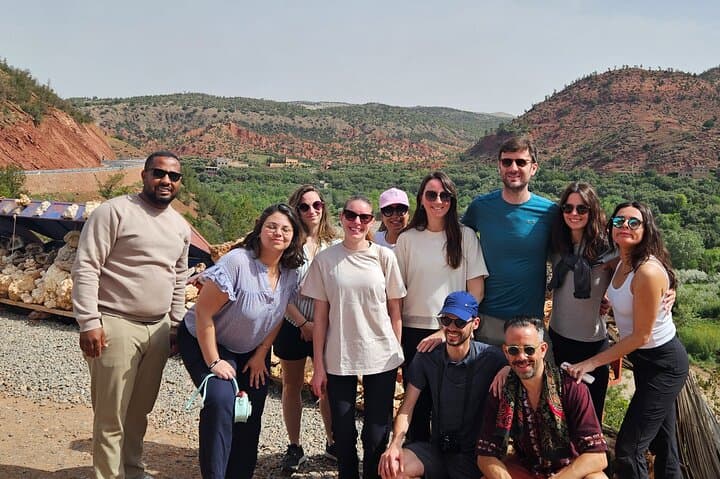
A ribbon of tarmac unspools south from Marrakech and the city’s heat gives way to stone villages and the cool voice of the Ourika River. By midmorning the van pulls off the main road and you step into terraces of olive and fig, the air scented with thyme and argan. Small cascades chatter downstream and a short trail climbs to viewpoints where the valley opens into craggy slopes and layered ridgelines.
A ribbon of tarmac unspools south from Marrakech and the city’s heat gives way to stone villages and the cool voice of the Ourika River. By midmorning the van pulls off the main road and you step into terraces of olive and fig, the air scented with thyme and argan. Small cascades chatter downstream and a short trail climbs to viewpoints where the valley opens into craggy slopes and layered ridgelines.
The Ourika Valley sits on the northern flank of the High Atlas, a young, tectonically uplifted range whose limestone and schist carve steep gorges and seasonal waterfalls. The area has long been home to Berber (Amazigh) farmers; modern visits often include a stop at a women’s argan cooperative and a guided visit to a traditional Berber house where customs and mountain crafts are explained.
Expect a mix of easy walking and brief hillier sections: most waterfall walks are 1–3 km round-trip with roughly 150–300 m of elevation change on rocky, sometimes uneven paths. The trip typically lasts 6–8 hours including hotel pickup and an included lunch in a riverside café.
Plan for sun and shifting mountain temperatures—layers, sun protection, and refillable water will keep you comfortable. Wear sturdy shoes for loose pebbles and packed-mud steps, and carry small change to tip local guides or buy argan products. Aim to travel midweek or early morning to avoid crowds at the main cascades; the river and terraces reward quiet observation. This day trip balances cultural encounters, short hikes, and panoramic High Atlas views without demanding technical skills.