THE ADVENTURE COLLECTIVE® · Independent discovery and booking for outdoor travel

Escape Marrakech for a full-day exploration of the Ourika and Imlil valleys—hike to waterfalls, sip mint tea with a Berber family, and take a brief camel ride beneath the Atlas peaks. This accessible tour blends geology, culture and straightforward outdoor walking.
Escape Marrakech for a full-day exploration of the Ourika and Imlil valleys—hike to waterfalls, sip mint tea with a Berber family, and take a brief camel ride beneath the Atlas peaks. This accessible tour blends geology, culture and straightforward outdoor walking.
The road out of Marrakech slips into raw light as the High Atlas rises—rock ribs and terraces cutting the sky. By midmorning the air cools and the valley widens: olive groves, slate-roofed Berber houses and a ribbon of river daring you downstream toward a string of waterfalls. Visitors pause on stone terraces for mint tea brewed strong, then set off on a guided hike that threads through oaks, almond trees and irrigated fields.
Verified experiences and guided adventures in the surrounding area.
Operated by Art de Cuivre Travel · Marrakech, Marrakesh-Safi
The road out of Marrakech slips into raw light as the High Atlas rises—rock ribs and terraces cutting the sky. By midmorning the air cools and the valley widens: olive groves, slate-roofed Berber houses and a ribbon of river daring you downstream toward a string of waterfalls. Visitors pause on stone terraces for mint tea brewed strong, then set off on a guided hike that threads through oaks, almond trees and irrigated fields.
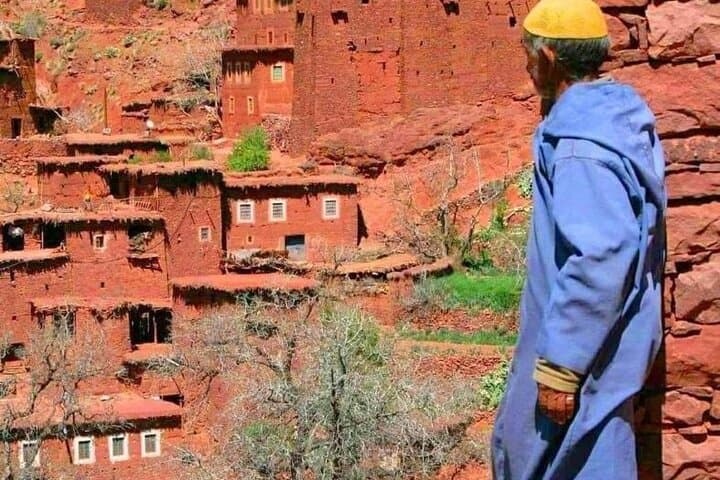
This day tour moves between landscape and culture. Geologically the High Atlas is young and rugged—the folds and faults here lift schist and limestone into steep ridges that funnel seasonal water into plunging cascades. Culturally the villages reflect Berber traditions: cooperatives pressing argan oil, women selling woven goods and a rhythm set by goat herds and irrigation channels that date back centuries.
Expect a moderate, accessible hike rather than technical climbing: rocky paths, occasional steep steps and short scree sections near waterfall viewpoints. The itinerary often includes a short camel ride across gentler valley slopes, time with a Berber family for tea and a simple lunch with local bread, olives and argan oil.
Practical notes: wear grippy shoes for wet rocks, carry 1–2 liters of water, and bring sun protection—stretches of trail are exposed. Mornings are cooler and clearer for photography; afternoons can build haze. Pickup and drop-off in Marrakech simplify logistics, making this a high-value, full-day blend of nature, culture and light adventure suited to most travelers.
easy.
6–7 hours.
Suitable for most fitness levels; involves several short uphill sections and uneven trail surfaces—basic stamina for walking 2–4 miles over varied terrain is helpful.
The guided walking is typically 2–4 miles spread across easy-to-moderate terrain with short uphill sections; it’s suitable for most people who can walk on uneven paths.
Yes—pickup and drop-off in Marrakech are normally included as part of the tour price for convenience.
The tour lists accessibility options but waterfall paths include steps and uneven ground; inform the operator about mobility needs in advance to arrange appropriate support.
Bring small change for purchases or tips, modest clothing for respectful visits, and a phone or camera for photos if you ask permission.
The High Atlas valleys have been inhabited by Berber communities for centuries; terrace agriculture and irrigation practices here reflect traditional mountain livelihoods.
Visitors should stick to paths to avoid damaging fragile terraces and carry out any trash—local guides often support community conservation and sustainable tourism practices.
Art de Cuivre Travel operates guided outdoor trips and adventures with an emphasis on safety, stewardship, and memorable experiences.
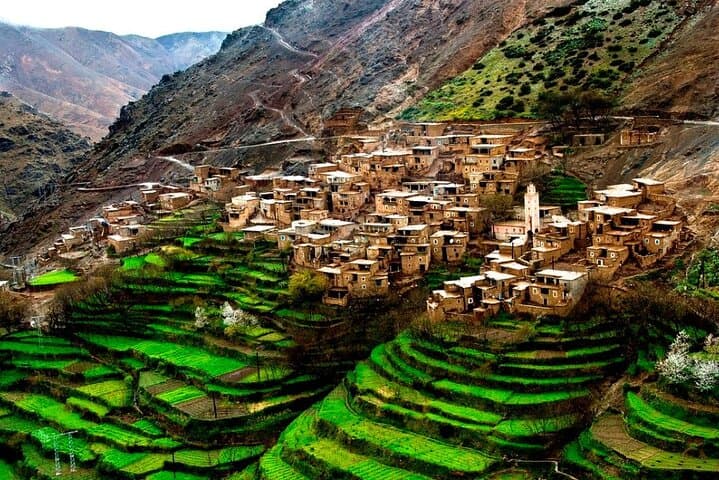
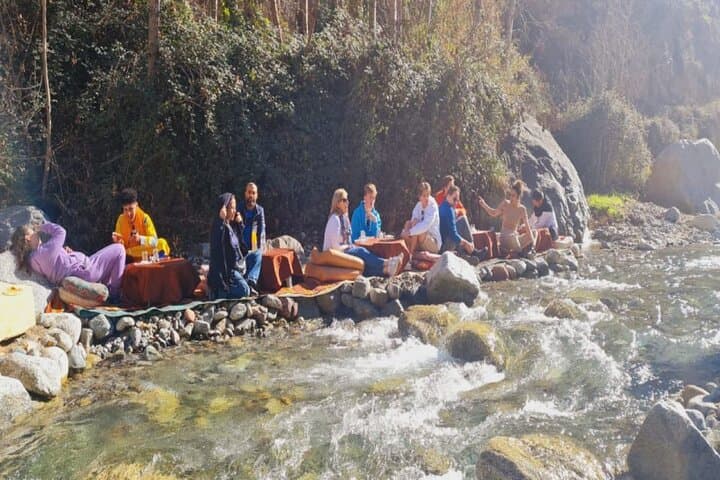
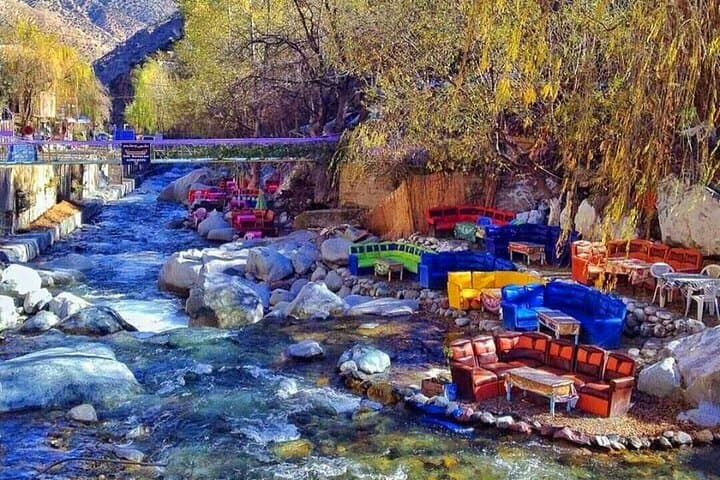
The road out of Marrakech slips into raw light as the High Atlas rises—rock ribs and terraces cutting the sky. By midmorning the air cools and the valley widens: olive groves, slate-roofed Berber houses and a ribbon of river daring you downstream toward a string of waterfalls. Visitors pause on stone terraces for mint tea brewed strong, then set off on a guided hike that threads through oaks, almond trees and irrigated fields.
The road out of Marrakech slips into raw light as the High Atlas rises—rock ribs and terraces cutting the sky. By midmorning the air cools and the valley widens: olive groves, slate-roofed Berber houses and a ribbon of river daring you downstream toward a string of waterfalls. Visitors pause on stone terraces for mint tea brewed strong, then set off on a guided hike that threads through oaks, almond trees and irrigated fields.
This day tour moves between landscape and culture. Geologically the High Atlas is young and rugged—the folds and faults here lift schist and limestone into steep ridges that funnel seasonal water into plunging cascades. Culturally the villages reflect Berber traditions: cooperatives pressing argan oil, women selling woven goods and a rhythm set by goat herds and irrigation channels that date back centuries.
Expect a moderate, accessible hike rather than technical climbing: rocky paths, occasional steep steps and short scree sections near waterfall viewpoints. The itinerary often includes a short camel ride across gentler valley slopes, time with a Berber family for tea and a simple lunch with local bread, olives and argan oil.
Practical notes: wear grippy shoes for wet rocks, carry 1–2 liters of water, and bring sun protection—stretches of trail are exposed. Mornings are cooler and clearer for photography; afternoons can build haze. Pickup and drop-off in Marrakech simplify logistics, making this a high-value, full-day blend of nature, culture and light adventure suited to most travelers.