THE ADVENTURE COLLECTIVE® · Independent discovery and booking for outdoor travel

A day trip from Marrakech into the Ourika Valley—hike to cascading waterfalls, visit a Berber house and argan cooperative, then enjoy a riverside Moroccan lunch. Scenic drives, short steep trail sections and cultural stops make this a compact mountain escape.
A day trip from Marrakech into the Ourika Valley—hike to cascading waterfalls, visit a Berber house and argan cooperative, then enjoy a riverside Moroccan lunch. Scenic drives, short steep trail sections and cultural stops make this a compact mountain escape.
You step out of the minibus as the Atlas foothills close in—a cool river sound threads the valley, daring you toward a line of cataracts ahead. The road down into the Ourika Valley narrows, olive terraces and argan trees sliding past, and the air takes on a mineral, mountain edge.
Verified experiences and guided adventures in the surrounding area.
Operated by Bel Mov Sarl · Setti Fatma, Marrakech-Safi
You step out of the minibus as the Atlas foothills close in—a cool river sound threads the valley, daring you toward a line of cataracts ahead. The road down into the Ourika Valley narrows, olive terraces and argan trees sliding past, and the air takes on a mineral, mountain edge.
The trail begins through terraced fields and small Berber hamlets. The guides point out dry-stone walls and irrigation channels that reflect centuries of mountain agriculture; the High Atlas itself is folded volcanic rock and limestone, uplifted and gouged by rivers that now form the waterfalls at Setti Fatma. Cultural stops include a cooperative where women cold-press argan oil and a traditional Berber house where artisans still work by hand—living practices tied to the valley’s survival.
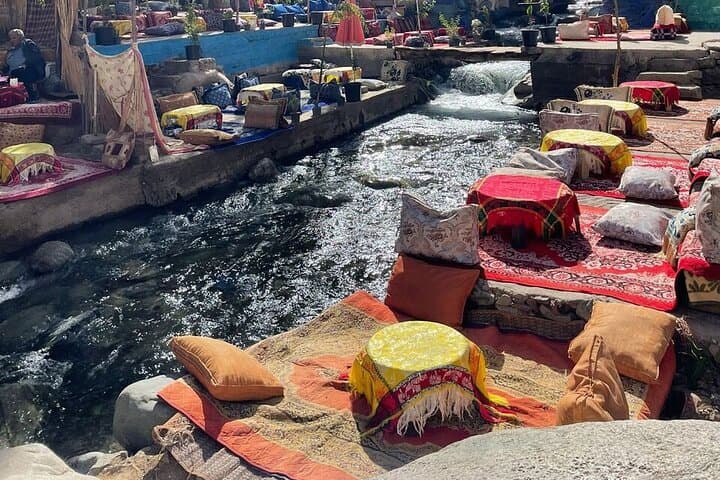
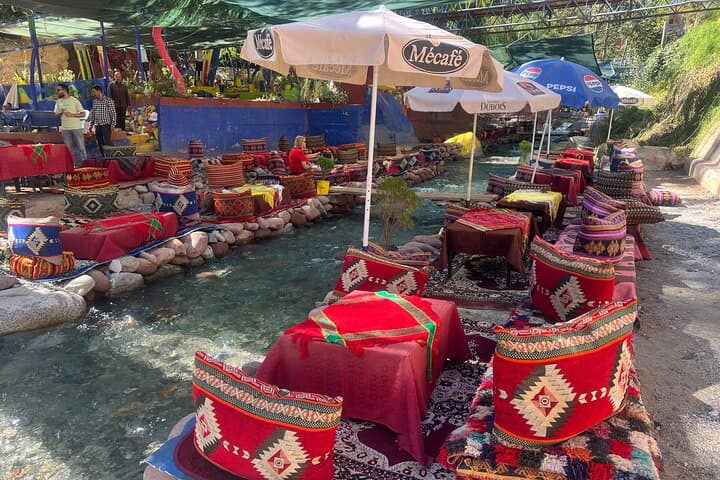
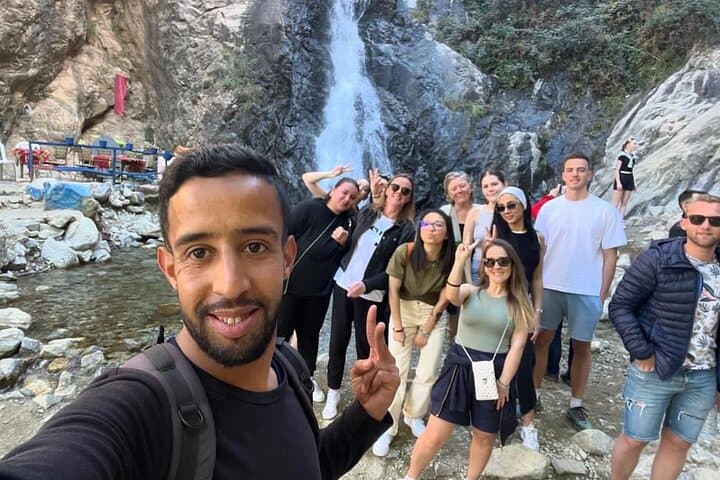
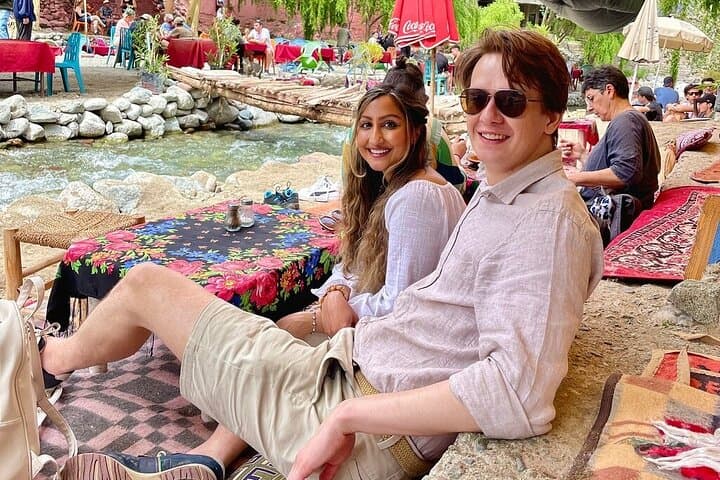
On the hike expect rocky tracks, short steep pitches and river crossings; the falls are a series of cascades rather than one single drop, each with photo-ready viewpoints. The river can swell after rain, so timing matters. After the walk, a riverside restaurant offers tagines and salads built from local produce—perfect fuel for the return drive to Marrakech.
Practical notes: wear sturdy footwear with good grip, bring sun protection and layered clothing for variable mountain weather, and carry cash for market purchases. The route is accessible to most hikers in average shape, but those with mobility limits should review the short steep sections in advance.
moderate.
6–7 hours.
Suitable for hikers with average fitness; able to handle short steep sections and uneven terrain.
The drive to Setti Fatma in the Ourika Valley takes about 45–60 minutes each way, depending on traffic and stops.
Many families and older visitors complete the route; however, there are short steep and rocky sections and some stream crossings—assess mobility and stamina beforehand.
Yes, restaurants in the itinerary offer vegetarian and gluten-free options—notify guides when booking for preparation.
Yes, the women’s cooperative sells locally produced argan oil and other small crafts; bring cash for purchases and bargaining is limited but polite.
The Ourika Valley has long been inhabited by Amazigh (Berber) communities; terrace agriculture and argan production are traditional livelihoods shaped by mountain geology and climate.
Visit cooperatives and follow trail etiquette to support local economies; avoid single-use plastics and stay on established paths to minimize erosion and disturbance.
Bel Mov Sarl operates guided outdoor trips and adventures with an emphasis on safety, stewardship, and memorable experiences.
You step out of the minibus as the Atlas foothills close in—a cool river sound threads the valley, daring you toward a line of cataracts ahead. The road down into the Ourika Valley narrows, olive terraces and argan trees sliding past, and the air takes on a mineral, mountain edge.
You step out of the minibus as the Atlas foothills close in—a cool river sound threads the valley, daring you toward a line of cataracts ahead. The road down into the Ourika Valley narrows, olive terraces and argan trees sliding past, and the air takes on a mineral, mountain edge.
The trail begins through terraced fields and small Berber hamlets. The guides point out dry-stone walls and irrigation channels that reflect centuries of mountain agriculture; the High Atlas itself is folded volcanic rock and limestone, uplifted and gouged by rivers that now form the waterfalls at Setti Fatma. Cultural stops include a cooperative where women cold-press argan oil and a traditional Berber house where artisans still work by hand—living practices tied to the valley’s survival.
On the hike expect rocky tracks, short steep pitches and river crossings; the falls are a series of cascades rather than one single drop, each with photo-ready viewpoints. The river can swell after rain, so timing matters. After the walk, a riverside restaurant offers tagines and salads built from local produce—perfect fuel for the return drive to Marrakech.
Practical notes: wear sturdy footwear with good grip, bring sun protection and layered clothing for variable mountain weather, and carry cash for market purchases. The route is accessible to most hikers in average shape, but those with mobility limits should review the short steep sections in advance.