THE ADVENTURE COLLECTIVE® · Independent discovery and booking for outdoor travel

Escape Marrakech for a seven-hour Ourika Valley day trip to Setti Fatma: hike to cascading waterfalls, watch Barbary macaques, and enjoy a traditional Berber lunch by the river. This guided outing combines light hiking, cultural stops, and scenic viewpoints—ideal for active travelers looking for a quick Atlas escape.
Escape Marrakech for a seven-hour Ourika Valley day trip to Setti Fatma: hike to cascading waterfalls, watch Barbary macaques, and enjoy a traditional Berber lunch by the river. This guided outing combines light hiking, cultural stops, and scenic viewpoints—ideal for active travelers looking for a quick Atlas escape.
Morning light strips the heat from Marrakech as the road climbs toward the High Atlas; cedars lean over the valley and the river below dares you closer with a steady voice. By the time you reach Setti Fatma the air has that cool, mineral bite — the kind that makes footsteps quicker and conversation quieter. Small farms and ochre houses give way to pine-scented tracks that lead to a series of cascades, where water scrapes limestone and tumbled rock into clear pools.
Verified experiences and guided adventures in the surrounding area.
Operated by Primera Tours · Setti Fatma, Marrakech-Safi
Morning light strips the heat from Marrakech as the road climbs toward the High Atlas; cedars lean over the valley and the river below dares you closer with a steady voice. By the time you reach Setti Fatma the air has that cool, mineral bite — the kind that makes footsteps quicker and conversation quieter. Small farms and ochre houses give way to pine-scented tracks that lead to a series of cascades, where water scrapes limestone and tumbled rock into clear pools.
Geology here is direct: the High Atlas is young, uplifted and folded, exposing schist and sandstone that shape the narrow gorges. The valley has long been inhabited by Amazigh (Berber) communities; Setti Fatma’s pottery and weekly souk reflect centuries of mountain craft and trade. Barbary macaques are a local feature — curious, bold, and part of the valley’s daily life.
Practically, expect a guided outing of about seven hours door-to-door from Marrakech. The walk to the principal cascades is typically 2–4 km round trip with roughly 200–300 m of ascent depending on how far you push up the ridge; trails are rocky and can be slippery after rain. Your itinerary usually includes an English-, French- or Spanish-speaking driver, an optional mountain guide for the waterfalls, and a riverside Berber lunch — tagine and mint tea on low carpets. Bring sturdy footwear, 1–1.5 liters of water, sun protection, and a small daypack; mornings are cooler and clearer for photos and wildlife sightings. Respect local customs in villages, keep distance from macaques (do not feed), and leave no trace: the valley is popular but still fragile.
moderate.
7 hours.
Moderate fitness recommended: able to hike 2–4 km on uneven terrain with short steep sections.
The walking portion to the main cascades is typically 2–4 km round trip depending on how many falls you visit, and often takes 1–3 hours including breaks.
Door-to-door pickup and riverside lunches are accessible, but the trail to the waterfalls includes uneven steps and slopes—children and those with limited mobility should plan for partial walks or stay near the village area.
Barbary macaques are often seen along the valley and near Setti Fatma, but sightings aren’t guaranteed; always observe from a distance and avoid feeding them.
Typical tours include hotel/Riad pickup and drop-off in Marrakech, transport in an air-conditioned vehicle, a local driver, a guided hike option, and a traditional Berber lunch; departures are available in the morning or afternoon.
The Ourika Valley has been a mountain route and farming area for Amazigh (Berber) communities for centuries; Setti Fatma grew as a market and pilgrimage stop tied to local springs and fertile terraces.
Increased visitor numbers put pressure on water sources and trails—stick to established paths, carry out waste, and support local vendors to keep economic benefits in the valley.
Primera Tours operates guided outdoor trips and adventures with an emphasis on safety, stewardship, and memorable experiences.
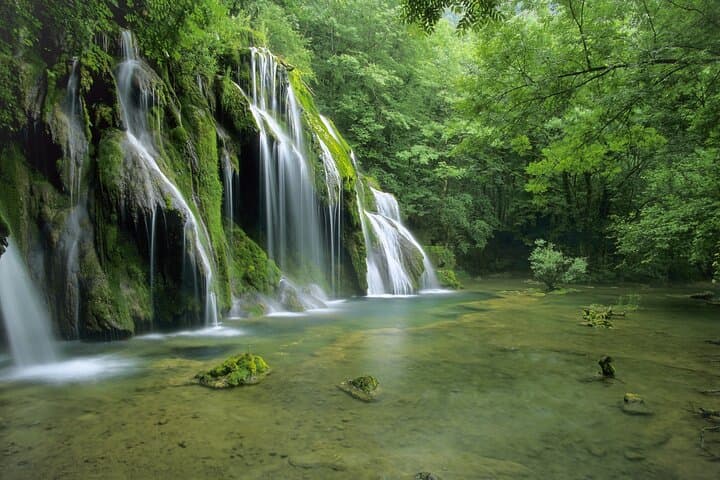
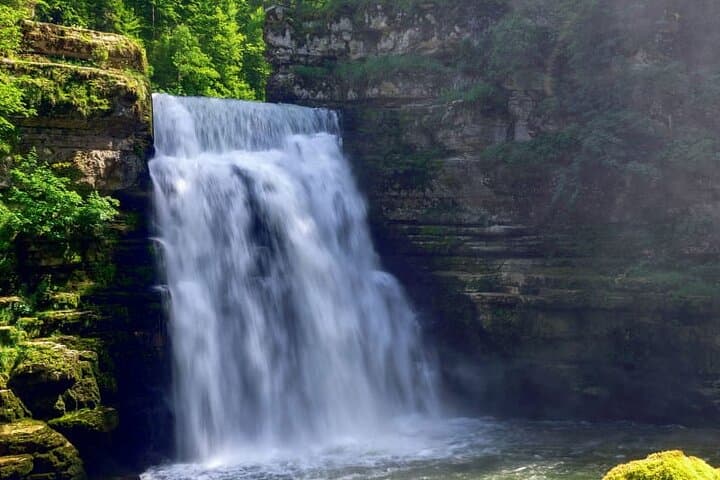
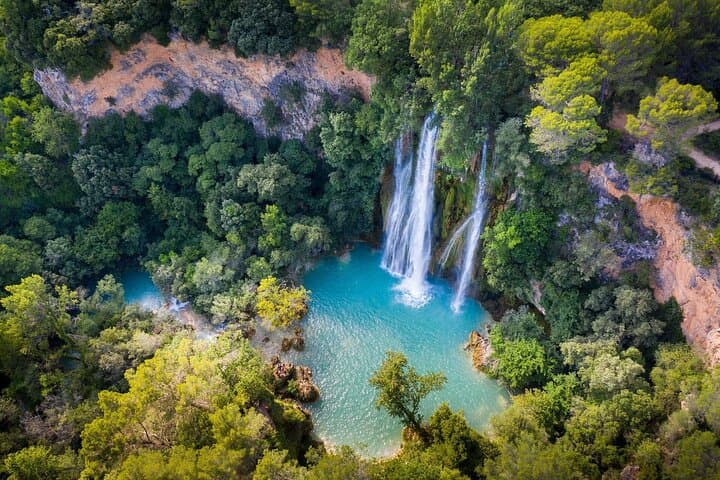
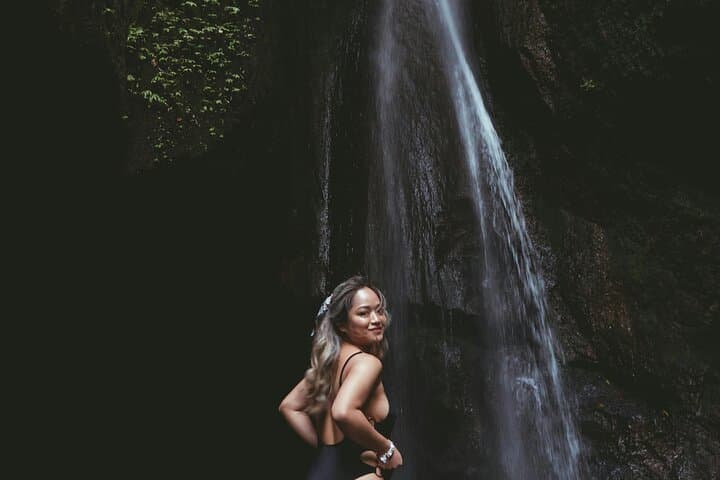
Morning light strips the heat from Marrakech as the road climbs toward the High Atlas; cedars lean over the valley and the river below dares you closer with a steady voice. By the time you reach Setti Fatma the air has that cool, mineral bite — the kind that makes footsteps quicker and conversation quieter. Small farms and ochre houses give way to pine-scented tracks that lead to a series of cascades, where water scrapes limestone and tumbled rock into clear pools.
Morning light strips the heat from Marrakech as the road climbs toward the High Atlas; cedars lean over the valley and the river below dares you closer with a steady voice. By the time you reach Setti Fatma the air has that cool, mineral bite — the kind that makes footsteps quicker and conversation quieter. Small farms and ochre houses give way to pine-scented tracks that lead to a series of cascades, where water scrapes limestone and tumbled rock into clear pools.
Geology here is direct: the High Atlas is young, uplifted and folded, exposing schist and sandstone that shape the narrow gorges. The valley has long been inhabited by Amazigh (Berber) communities; Setti Fatma’s pottery and weekly souk reflect centuries of mountain craft and trade. Barbary macaques are a local feature — curious, bold, and part of the valley’s daily life.
Practically, expect a guided outing of about seven hours door-to-door from Marrakech. The walk to the principal cascades is typically 2–4 km round trip with roughly 200–300 m of ascent depending on how far you push up the ridge; trails are rocky and can be slippery after rain. Your itinerary usually includes an English-, French- or Spanish-speaking driver, an optional mountain guide for the waterfalls, and a riverside Berber lunch — tagine and mint tea on low carpets. Bring sturdy footwear, 1–1.5 liters of water, sun protection, and a small daypack; mornings are cooler and clearer for photos and wildlife sightings. Respect local customs in villages, keep distance from macaques (do not feed), and leave no trace: the valley is popular but still fragile.