THE ADVENTURE COLLECTIVE® · Independent discovery and booking for outdoor travel

A half-day escape from Marrakech into the High Atlas: follow a guide to Setti Fatma, sip mint tea with a Berber family, watch argan oil production, then hike rocky trails to seven cascading waterfalls. Practical, cultural, and scenic.
A half-day escape from Marrakech into the High Atlas: follow a guide to Setti Fatma, sip mint tea with a Berber family, watch argan oil production, then hike rocky trails to seven cascading waterfalls. Practical, cultural, and scenic.
You leave Marrakech’s ochre heat behind and climb into the High Atlas foothills: a ribbon of road slices through red-rock escarpments and terraces, the Ourika River daring you toward cooler air and a different pace.
Verified experiences and guided adventures in the surrounding area.
Operated by Quad Atlas VIP · Marrakech, Marrakech-Safi
You leave Marrakech’s ochre heat behind and climb into the High Atlas foothills: a ribbon of road slices through red-rock escarpments and terraces, the Ourika River daring you toward cooler air and a different pace.
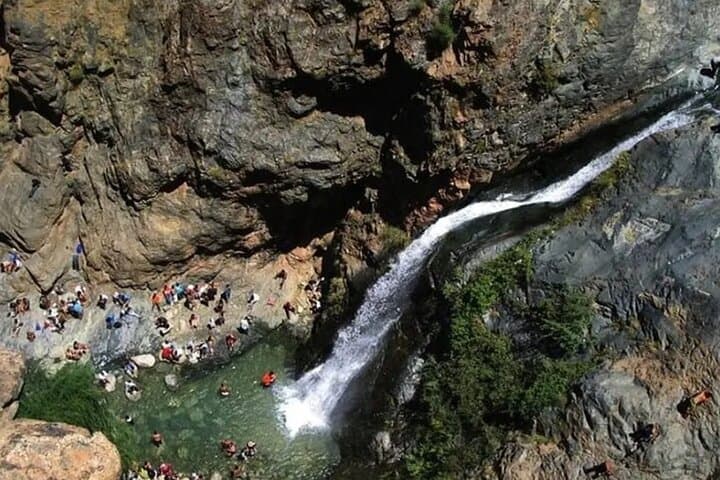
At the valley’s lower villages, terraced fields and centuries-old irrigation channels reveal the practical genius of Amazigh (Berber) farming. The geology here is visible in raw form — layered volcanic and sedimentary rock carved by seasonal torrents — and it funnels mountain water down a chain of cataracts at Setti Fatma. Culture arrives in human scale: an invitation to mint tea in a family home, the slow hammering of argan nuts at a women-led cooperative, and the resilience of a mountain people whose traditions remain visible in architecture and dress.
The hike to the Seven Waterfalls is a hands-on, moderately paced route on rocky tracks and wooden footbridges; expect intermittent steep steps and short scramble sections as you climb toward viewpoints above the cascades. Distances are short but uneven, so plan for 2–3 hours on foot with roughly 200–400m of cumulative elevation gain depending on how far you push upstream.
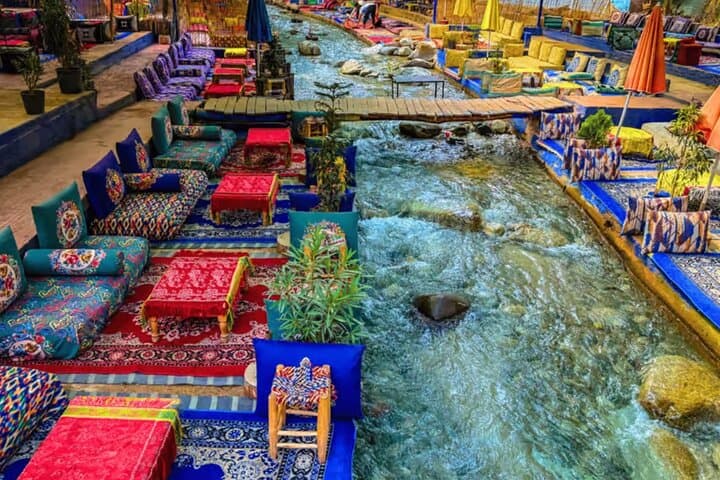
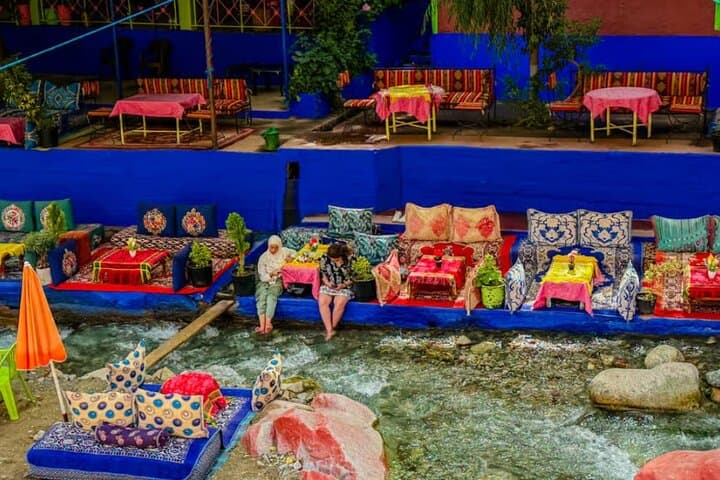
Practical notes: start early to avoid midday heat and crowds, wear grippy footwear, and carry at least 1–2 liters of water. Bring cash for small purchases at cooperatives and tip your local guide. After the hike, a riverside tagine or cooling feet in the stream provides a satisfying counterpoint to the effort — a day that blends geology, culture, and clear mountain air.
moderate.
6–7 hours.
Suitable for reasonably active travelers who can manage uneven trails and short uphill sections for 2–3 hours of hiking.
Guides typically allow 2–3 hours round-trip on the trail network; you can shorten or extend the walk depending on ability and interest.
The route is family-friendly but includes rocky sections and steps; assess mobility and consider staying at lower cascades if balance or endurance is a concern.
Some pools are shallow and suitable for wading; water is cold and currents can be strong after rains, so exercise caution and avoid swimming in high flow.
Yes — most day trips include a stop at a Berber family home for tea and a visit to a women-led argan oil cooperative to observe traditional production.
The Ourika Valley has been inhabited for centuries by Amazigh communities who developed terrace farming and irrigation systems adapted to steep slopes and seasonal rivers.
Argan groves and river habitats face pressure from tourism and overgrazing; support responsible cooperatives and stick to trails to reduce erosion and disturbance.
Quad Atlas VIP operates guided outdoor trips and adventures with an emphasis on safety, stewardship, and memorable experiences.
You leave Marrakech’s ochre heat behind and climb into the High Atlas foothills: a ribbon of road slices through red-rock escarpments and terraces, the Ourika River daring you toward cooler air and a different pace.
You leave Marrakech’s ochre heat behind and climb into the High Atlas foothills: a ribbon of road slices through red-rock escarpments and terraces, the Ourika River daring you toward cooler air and a different pace.
At the valley’s lower villages, terraced fields and centuries-old irrigation channels reveal the practical genius of Amazigh (Berber) farming. The geology here is visible in raw form — layered volcanic and sedimentary rock carved by seasonal torrents — and it funnels mountain water down a chain of cataracts at Setti Fatma. Culture arrives in human scale: an invitation to mint tea in a family home, the slow hammering of argan nuts at a women-led cooperative, and the resilience of a mountain people whose traditions remain visible in architecture and dress.
The hike to the Seven Waterfalls is a hands-on, moderately paced route on rocky tracks and wooden footbridges; expect intermittent steep steps and short scramble sections as you climb toward viewpoints above the cascades. Distances are short but uneven, so plan for 2–3 hours on foot with roughly 200–400m of cumulative elevation gain depending on how far you push upstream.
Practical notes: start early to avoid midday heat and crowds, wear grippy footwear, and carry at least 1–2 liters of water. Bring cash for small purchases at cooperatives and tip your local guide. After the hike, a riverside tagine or cooling feet in the stream provides a satisfying counterpoint to the effort — a day that blends geology, culture, and clear mountain air.