THE ADVENTURE COLLECTIVE® · Independent discovery and booking for outdoor travel

Escape Marrakech for a private day in the Atlas foothills: walk through Berber villages, sip mint tea by the river and follow stone paths to the Setti Fatma waterfalls. This accessible tour blends easy hiking with cultural encounters and mountain scenery.
Escape Marrakech for a private day in the Atlas foothills: walk through Berber villages, sip mint tea by the river and follow stone paths to the Setti Fatma waterfalls. This accessible tour blends easy hiking with cultural encounters and mountain scenery.
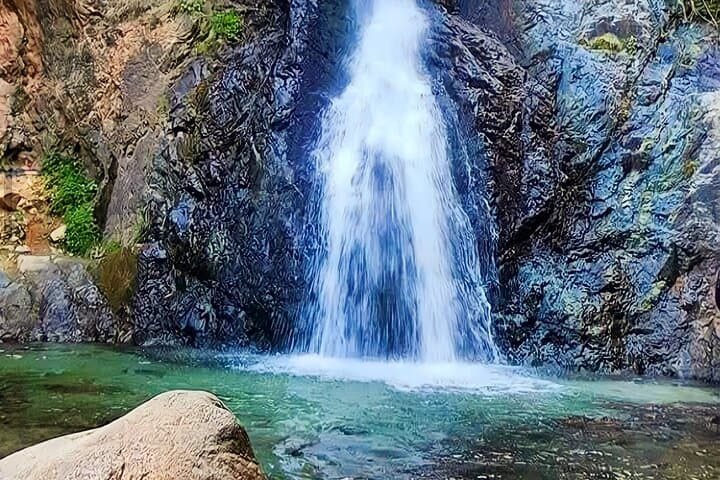
You leave Marrakech before the heat settles, tires whispering along the road that climbs into the Atlas foothills. Olive groves and low red cliffs slide past the window; the Ourika river calls softly from the valley floor, daring you to step closer. By the time you reach Setti Fatma the air smells of mint and damp stone, and a series of clear falls tumble down worn red rock.
Verified experiences and guided adventures in the surrounding area.
Operated by Bahaddou services & transport · Setti Fatma, Marrakesh-Safi
You leave Marrakech before the heat settles, tires whispering along the road that climbs into the Atlas foothills. Olive groves and low red cliffs slide past the window; the Ourika river calls softly from the valley floor, daring you to step closer. By the time you reach Setti Fatma the air smells of mint and damp stone, and a series of clear falls tumble down worn red rock.
The valley has been home to Berber communities for centuries—small stone houses, terraced fields and mule tracks that predate modern roads. Geologically the area is a transition between the High Atlas’ folded schists and the lower, iron-rich foothills that stain the landscape red; the waterfalls follow fractures in those rocks, producing narrow, plunging cascades rather than wide sheets.
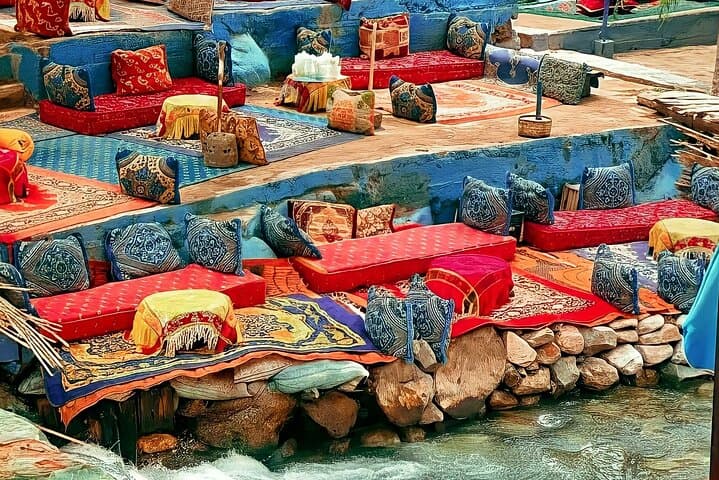
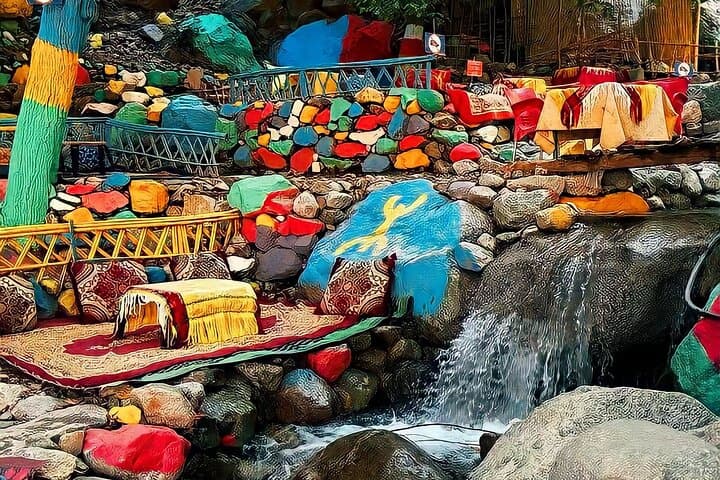
Culturally the day blends simple hospitality—riverside mint tea, village cafés, woven crafts—with accessible walking. Expect a well-marked, unpaved trail that rises via stone steps and mule tracks: the standard walk to the main falls is roughly 2–4 km roundtrip with about 150–300 m of elevation gain depending how far you go.
Practicalities: the private tour runs around seven hours including drive time from Marrakech (about 60–90 minutes each way). Wear sturdy shoes for uneven stone and wet sections, bring water and sun protection, and pace yourself on the steeper switchbacks. Early departures avoid midday heat and crowds; late afternoons make for better light on the red cliffs. Local guides keep the route safe and connect you with village life—plan on light walking, camera-ready scenery, and the rush of cool spray when you reach the falls.
easy.
7 hours.
Light aerobic fitness; able to walk on uneven trails for up to 2 hours with short climbs.
Typical transfer time is 60–90 minutes each way depending on traffic and the chosen route through the Atlas foothills.
The main route is an easy-to-moderate walk on unpaved and stone steps; expect some short steep sections but no technical climbing.
Bottled water and private transport are included; village cafés sell mint tea and light snacks, usually paid in cash.
Villages are stroller-accessible in flat areas, but the waterfall trail has steps and uneven ground, so carry infants or use a child carrier for the hike portion.
The Ourika Valley has been inhabited by Amazigh (Berber) communities for centuries; terraces and mule paths reflect an agricultural system adapted to steep terrain.
Stick to marked trails, avoid leaving waste, and consider hiring local guides—tour revenue supports village economies and reduces off-trail erosion.
Bahaddou services & transport operates guided outdoor trips and adventures with an emphasis on safety, stewardship, and memorable experiences.
You leave Marrakech before the heat settles, tires whispering along the road that climbs into the Atlas foothills. Olive groves and low red cliffs slide past the window; the Ourika river calls softly from the valley floor, daring you to step closer. By the time you reach Setti Fatma the air smells of mint and damp stone, and a series of clear falls tumble down worn red rock.
You leave Marrakech before the heat settles, tires whispering along the road that climbs into the Atlas foothills. Olive groves and low red cliffs slide past the window; the Ourika river calls softly from the valley floor, daring you to step closer. By the time you reach Setti Fatma the air smells of mint and damp stone, and a series of clear falls tumble down worn red rock.
The valley has been home to Berber communities for centuries—small stone houses, terraced fields and mule tracks that predate modern roads. Geologically the area is a transition between the High Atlas’ folded schists and the lower, iron-rich foothills that stain the landscape red; the waterfalls follow fractures in those rocks, producing narrow, plunging cascades rather than wide sheets.
Culturally the day blends simple hospitality—riverside mint tea, village cafés, woven crafts—with accessible walking. Expect a well-marked, unpaved trail that rises via stone steps and mule tracks: the standard walk to the main falls is roughly 2–4 km roundtrip with about 150–300 m of elevation gain depending how far you go.
Practicalities: the private tour runs around seven hours including drive time from Marrakech (about 60–90 minutes each way). Wear sturdy shoes for uneven stone and wet sections, bring water and sun protection, and pace yourself on the steeper switchbacks. Early departures avoid midday heat and crowds; late afternoons make for better light on the red cliffs. Local guides keep the route safe and connect you with village life—plan on light walking, camera-ready scenery, and the rush of cool spray when you reach the falls.