THE ADVENTURE COLLECTIVE® · Independent discovery and booking for outdoor travel

Escape Marrakech for a private day in the Ourika Valley: a short hike to Setti Fatma’s waterfalls, mint tea in a Berber house and a visit to a women's argan cooperative. This day trip blends easy trails, cultural stops and riverside lunch over 8–9 hours.
Escape Marrakech for a private day in the Ourika Valley: a short hike to Setti Fatma’s waterfalls, mint tea in a Berber house and a visit to a women's argan cooperative. This day trip blends easy trails, cultural stops and riverside lunch over 8–9 hours.
A cool morning drive peels away the rust-red roofs of Marrakech and the road climbs into the foothills of the High Atlas. Olive terraces and low, whitewashed houses slide by as the Ourika river begins to braid through the valley; the current seems to dare you toward the ridgelines above.
Verified experiences and guided adventures in the surrounding area.
Operated by Uncommon Morocco · Setti Fatma, Marrakech-Safi
A cool morning drive peels away the rust-red roofs of Marrakech and the road climbs into the foothills of the High Atlas. Olive terraces and low, whitewashed houses slide by as the Ourika river begins to braid through the valley; the current seems to dare you toward the ridgelines above.
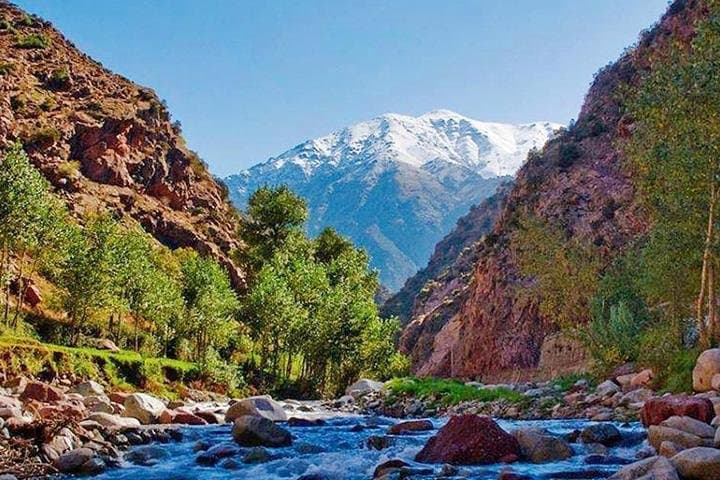
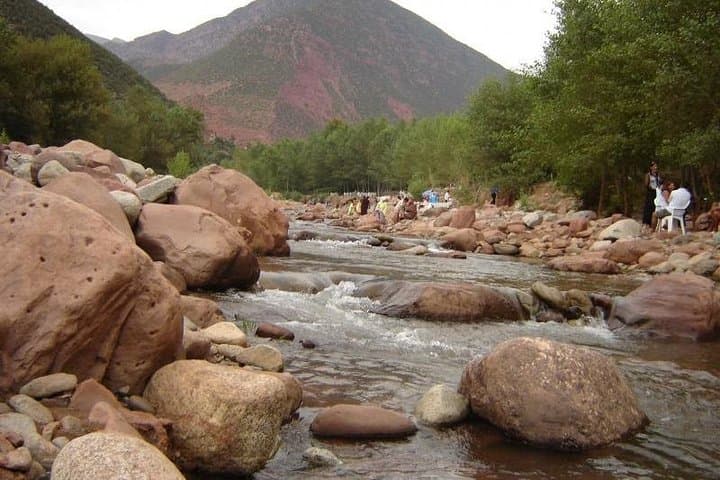
The valley has long been a seasonal corridor for Amazigh (Berber) communities—terraced agriculture, mule tracks and small stone houses speak to a history of mountain subsistence and traded goods. Geologically, the High Atlas here shows folded schists and limestone outcrops carved by winter runoff; waterfalls at Setti Fatma mark where springs and streams drop from upland plateaus into steep-sided gullies.
Visitors meet families pressing argan, sip mint tea in a traditional house and walk the village lanes where market days still set the pace. The hike to the main waterfall is straightforward: a series of switchbacks and rocky steps with short steep pitches and several river crossings; the higher viewpoints give broad valley views back toward Marrakech.
Practical guidance: wear grippy shoes for uneven, often damp rock; bring 1–2 liters of water and sun protection—shade is intermittent. Plan the visit outside mid-day heat for cooler walking and better light for photos. Respect private property and local customs when entering homes or cooperative spaces; purchases at women's co-ops directly support local livelihoods. Expect a full 8–9 hour, privately guided day with hotel pickup and drop-off in Marrakech—an accessible mix of light hiking, cultural encounters and riverside meals that suits most fitness levels.
easy.
8–9 hours.
Suitable for most fitness levels; requires comfortable walking for short uphill sections and uneven terrain.
The main trail from the village to the prominent cascades is a short network of paths and steps typically walked in 30–60 minutes round-trip depending on stops and pace.
Yes—operators advertise it as easy and family-friendly; expect some uneven ground and river crossings, so supervise young children and request a gentler pace if needed.
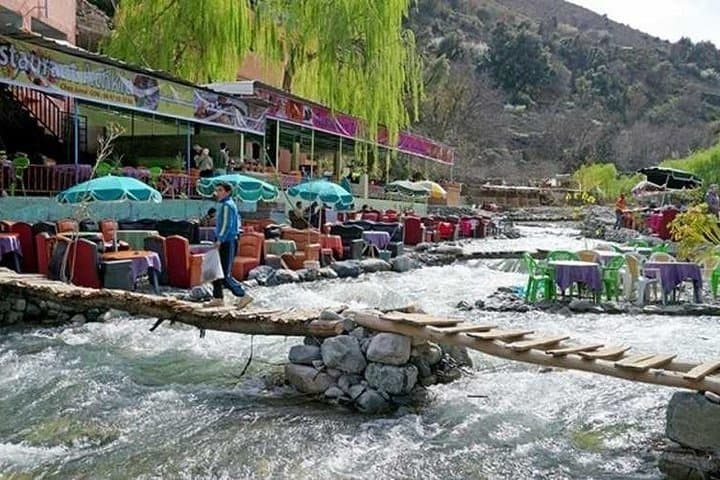
Lunch at a riverside restaurant and mint tea in a Berber house are commonly included, but confirm specifics and any local entrance fees with the operator before booking.
Yes—visits to women's cooperatives are standard; buying directly supports local livelihoods, and reputable cooperatives will show production methods and offer samples.
The Ourika Valley has been home to Amazigh communities for centuries; its terraced fields and seasonal markets reflect long-standing mountain-agriculture traditions and transhumant routes.
Water and soil erosion are local concerns; favor licensed guides, support women’s cooperatives and avoid single-use plastics to reduce visitor impact.
Uncommon Morocco operates guided outdoor trips and adventures with an emphasis on safety, stewardship, and memorable experiences.
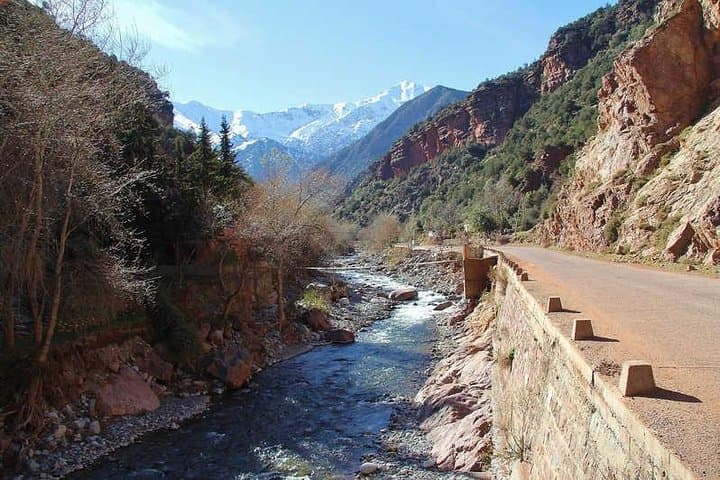
A cool morning drive peels away the rust-red roofs of Marrakech and the road climbs into the foothills of the High Atlas. Olive terraces and low, whitewashed houses slide by as the Ourika river begins to braid through the valley; the current seems to dare you toward the ridgelines above.
A cool morning drive peels away the rust-red roofs of Marrakech and the road climbs into the foothills of the High Atlas. Olive terraces and low, whitewashed houses slide by as the Ourika river begins to braid through the valley; the current seems to dare you toward the ridgelines above.
The valley has long been a seasonal corridor for Amazigh (Berber) communities—terraced agriculture, mule tracks and small stone houses speak to a history of mountain subsistence and traded goods. Geologically, the High Atlas here shows folded schists and limestone outcrops carved by winter runoff; waterfalls at Setti Fatma mark where springs and streams drop from upland plateaus into steep-sided gullies.
Visitors meet families pressing argan, sip mint tea in a traditional house and walk the village lanes where market days still set the pace. The hike to the main waterfall is straightforward: a series of switchbacks and rocky steps with short steep pitches and several river crossings; the higher viewpoints give broad valley views back toward Marrakech.
Practical guidance: wear grippy shoes for uneven, often damp rock; bring 1–2 liters of water and sun protection—shade is intermittent. Plan the visit outside mid-day heat for cooler walking and better light for photos. Respect private property and local customs when entering homes or cooperative spaces; purchases at women's co-ops directly support local livelihoods. Expect a full 8–9 hour, privately guided day with hotel pickup and drop-off in Marrakech—an accessible mix of light hiking, cultural encounters and riverside meals that suits most fitness levels.