THE ADVENTURE COLLECTIVE® · Independent discovery and booking for outdoor travel

Escape Marrakech for a private full-day through the High Atlas to Ourika Valley. Hike to Setti Fatma’s cascading falls, visit Aroumd village, and enjoy a riverside lunch while a local guide shares culture, geology, and practical tips.
Escape Marrakech for a private full-day through the High Atlas to Ourika Valley. Hike to Setti Fatma’s cascading falls, visit Aroumd village, and enjoy a riverside lunch while a local guide shares culture, geology, and practical tips.
You leave Marrakech’s ochre walls behind and drive toward the High Atlas, the road climbing through terraces and scrub as the city noise thins. Light shifts across jagged ridgelines; the Ourika River threads through the valley, daring you to follow its gorges. By midmorning you’re at a small village where the guide points uphill toward a line of waterfalls—Setti Fatma’s cascades—voices of the mountain echoing off stone.
Verified experiences and guided adventures in the surrounding area.
Operated by Atlasia Discovery Tours · Marrakech, Marrakech-Safi
You leave Marrakech’s ochre walls behind and drive toward the High Atlas, the road climbing through terraces and scrub as the city noise thins. Light shifts across jagged ridgelines; the Ourika River threads through the valley, daring you to follow its gorges. By midmorning you’re at a small village where the guide points uphill toward a line of waterfalls—Setti Fatma’s cascades—voices of the mountain echoing off stone.
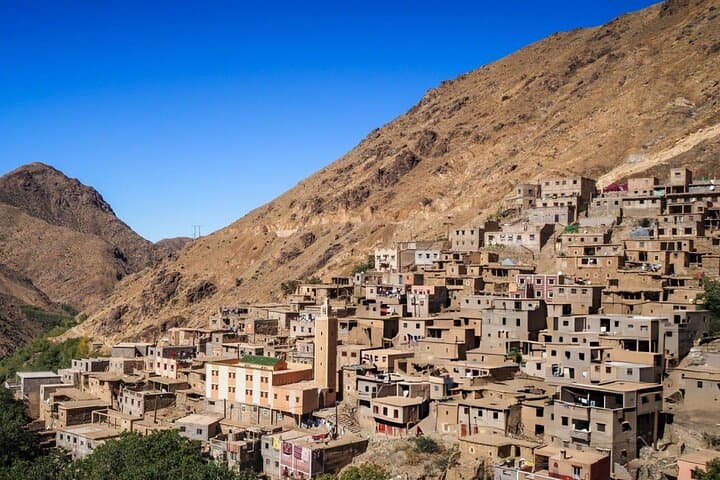
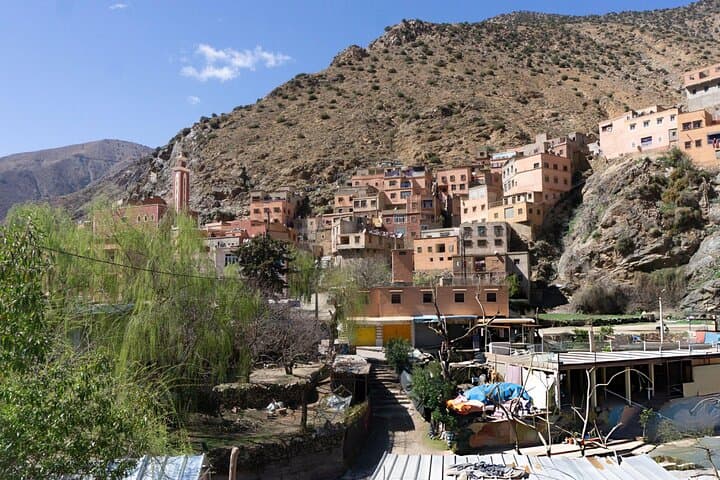
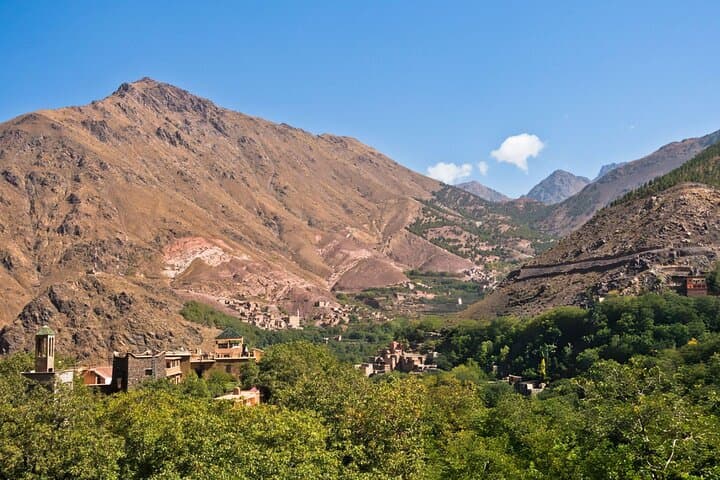
The Ourika Valley sits on the southern slopes of the High Atlas, carved by rivers running from snowmelt and shaped by generations of Berber farming. Teraced fields and stone houses reflect a culture centuries old, where irrigation channels (seguias) and walnut orchards still set the rhythm of life. Geologically, the valley is an intersection of uplifted sedimentary beds and crystalline outcrops, revealing a landscape of steep gullies and resilient terraces.
Expect a day that blends scenic driving, short hikes (moderate footing and some stair-like trails), cultural stops in Aroumd village, and a riverside lunch. Your guide will share local stories, point out raptors riding thermal lifts, and help negotiate purchases with artisans.
Practical edge: start early to avoid heat and crowds, wear sturdy shoes—the trail to the main falls includes loose rock and river crossings—and carry at least 1.5 liters of water. Cash helps for small cafés and tips; phone signal can be spotty in shaded gorges. Photography is best in soft morning or late-afternoon light when the valley’s colors gain depth. Respect private terraces and follow your guide: it keeps the valley healthy and the experience authentic.
moderate.
6 hours.
Moderate—able to walk uneven paths for up to 1–2 hours with occasional short climbs
The walking portions are modular—expect up to 1–2 hours on trails with some stairs and river crossings; guides tailor pace to the group.
Yes—this private tour includes pickup and drop-off anywhere in Marrakech in an air-conditioned vehicle.
Some pools are shallow and invite wading, but currents and water temperature vary—ask your guide before entering and avoid risky sections.
Moderate fitness is sufficient—participants should be comfortable walking uneven terrain and managing short uphill stretches.
The valley has long been home to Berber communities whose terraced agriculture and water channels reflect centuries of mountain farming and trade routes from the Atlas to Marrakech.
Tourism can strain water and local paths—stick to trails, avoid litter, and use local guides and restaurants to support the valley’s economy.
Atlasia Discovery Tours operates guided outdoor trips and adventures with an emphasis on safety, stewardship, and memorable experiences.
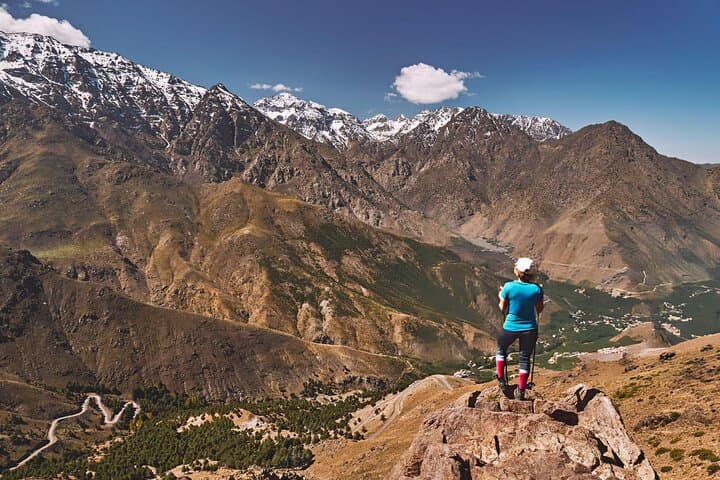
You leave Marrakech’s ochre walls behind and drive toward the High Atlas, the road climbing through terraces and scrub as the city noise thins. Light shifts across jagged ridgelines; the Ourika River threads through the valley, daring you to follow its gorges. By midmorning you’re at a small village where the guide points uphill toward a line of waterfalls—Setti Fatma’s cascades—voices of the mountain echoing off stone.
You leave Marrakech’s ochre walls behind and drive toward the High Atlas, the road climbing through terraces and scrub as the city noise thins. Light shifts across jagged ridgelines; the Ourika River threads through the valley, daring you to follow its gorges. By midmorning you’re at a small village where the guide points uphill toward a line of waterfalls—Setti Fatma’s cascades—voices of the mountain echoing off stone.
The Ourika Valley sits on the southern slopes of the High Atlas, carved by rivers running from snowmelt and shaped by generations of Berber farming. Teraced fields and stone houses reflect a culture centuries old, where irrigation channels (seguias) and walnut orchards still set the rhythm of life. Geologically, the valley is an intersection of uplifted sedimentary beds and crystalline outcrops, revealing a landscape of steep gullies and resilient terraces.
Expect a day that blends scenic driving, short hikes (moderate footing and some stair-like trails), cultural stops in Aroumd village, and a riverside lunch. Your guide will share local stories, point out raptors riding thermal lifts, and help negotiate purchases with artisans.
Practical edge: start early to avoid heat and crowds, wear sturdy shoes—the trail to the main falls includes loose rock and river crossings—and carry at least 1.5 liters of water. Cash helps for small cafés and tips; phone signal can be spotty in shaded gorges. Photography is best in soft morning or late-afternoon light when the valley’s colors gain depth. Respect private terraces and follow your guide: it keeps the valley healthy and the experience authentic.