THE ADVENTURE COLLECTIVE® · Independent discovery and booking for outdoor travel

This full-day excursion from Marrakech threads the Ourika Valley’s river, argan cooperatives and Setti Fatma’s waterfalls into a practical, scenic outing. Expect short guided walks, cultural stops with local families, and river-side lunch amid High Atlas views.
This full-day excursion from Marrakech threads the Ourika Valley’s river, argan cooperatives and Setti Fatma’s waterfalls into a practical, scenic outing. Expect short guided walks, cultural stops with local families, and river-side lunch amid High Atlas views.
You leave Marrakech behind as the road climbs, olive orchards and argan trees sliding past the van’s windows until the red city becomes a distant patchwork. The Ourika Valley narrows and the air sharpens; granite ridgelines rise, flecked with scrub and cultivated terraces, and the river below dares you closer with its cold, bright voice.
Verified experiences and guided adventures in the surrounding area.
Operated by Marrakech City Travel · Ourika, Marrakesh-Safi
You leave Marrakech behind as the road climbs, olive orchards and argan trees sliding past the van’s windows until the red city becomes a distant patchwork. The Ourika Valley narrows and the air sharpens; granite ridgelines rise, flecked with scrub and cultivated terraces, and the river below dares you closer with its cold, bright voice.
Geologically the valley is cut from the High Atlas’s schist and granite, sculpted by seasonal runoff into the stepped channels that feed Setti Fatma’s cascades. The valley has long been home to Amazigh (Berber) communities whose terraced farms and argan cooperatives are visible from the roadside—local culture is practical, generous, and oriented around seasonal agriculture and river resources.
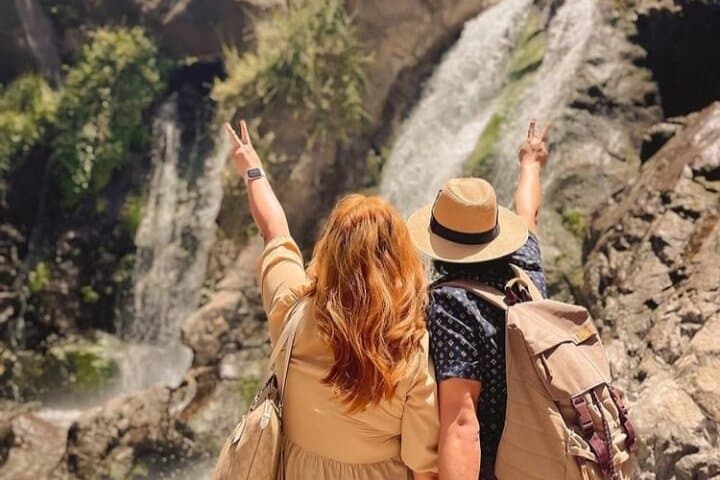
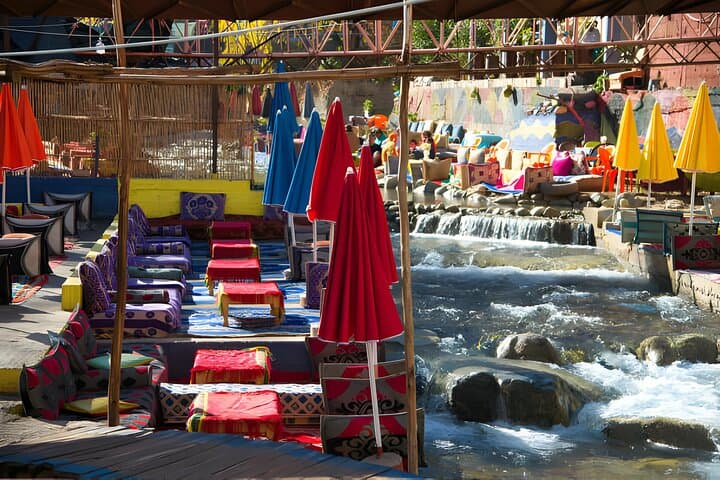
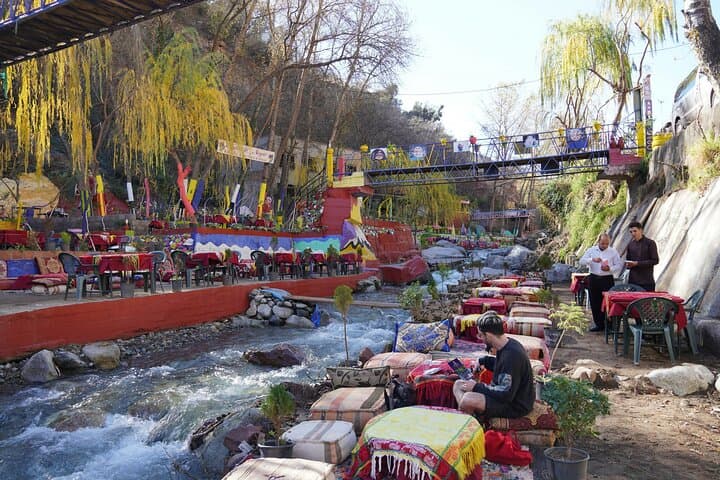
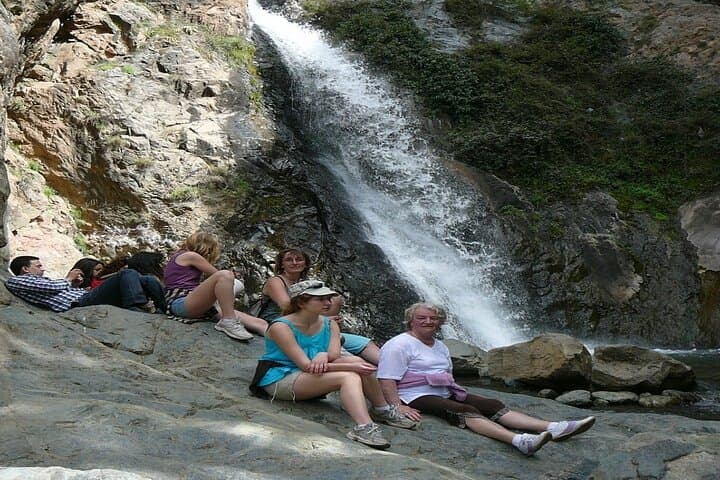
On this day trip expect guided walks from the village up to a series of waterfalls, stops at a cooperative where argan oil is produced by hand, and a riverside lunch with views of the peaks. The walking is short but can be steep and slippery near cascades; the guide handles routing and local introductions.
Practical guidance: start early to avoid midday heat, bring a refillable water bottle and grippy shoes, and carry small bills for cooperative purchases and tips. Allow 7–10 hours for door-to-door travel from Marrakech; the vehicle is air-conditioned but paths are rustic. Respect private homes when visiting families, and leave no trace: the valley is popular and benefits from mindful tourism.
easy.
7–10 hours.
Suitable for travelers in average fitness; involves short, sometimes steep or slippery walks rather than sustained hiking.
The tour is typically 7–10 hours including pick-up and drop-off; expect several hours on the road and stops in the valley.
Walks are short but can be uneven and slippery by the waterfalls; the tour is rated easy and generally suitable for most ages but check mobility limitations with the operator.
Lunch by the river is usually included or arranged; visits to argan cooperatives and a Berber family are part of the itinerary but purchases are extra.
You may spot birds of prey, reptiles, and small mammals; Barbary macaques occur in some Atlas locations but aren’t guaranteed here.
The Ourika Valley has been inhabited by Amazigh (Berber) communities for centuries; terraced agriculture and argan oil production remain central to local life.
Tourism supports local cooperatives but increased foot traffic stresses riverbanks and trails—stick to paths, avoid single-use plastics, and buy local to support sustainable income.
Marrakech City Travel operates guided outdoor trips and adventures with an emphasis on safety, stewardship, and memorable experiences.
You leave Marrakech behind as the road climbs, olive orchards and argan trees sliding past the van’s windows until the red city becomes a distant patchwork. The Ourika Valley narrows and the air sharpens; granite ridgelines rise, flecked with scrub and cultivated terraces, and the river below dares you closer with its cold, bright voice.
You leave Marrakech behind as the road climbs, olive orchards and argan trees sliding past the van’s windows until the red city becomes a distant patchwork. The Ourika Valley narrows and the air sharpens; granite ridgelines rise, flecked with scrub and cultivated terraces, and the river below dares you closer with its cold, bright voice.
Geologically the valley is cut from the High Atlas’s schist and granite, sculpted by seasonal runoff into the stepped channels that feed Setti Fatma’s cascades. The valley has long been home to Amazigh (Berber) communities whose terraced farms and argan cooperatives are visible from the roadside—local culture is practical, generous, and oriented around seasonal agriculture and river resources.
On this day trip expect guided walks from the village up to a series of waterfalls, stops at a cooperative where argan oil is produced by hand, and a riverside lunch with views of the peaks. The walking is short but can be steep and slippery near cascades; the guide handles routing and local introductions.
Practical guidance: start early to avoid midday heat, bring a refillable water bottle and grippy shoes, and carry small bills for cooperative purchases and tips. Allow 7–10 hours for door-to-door travel from Marrakech; the vehicle is air-conditioned but paths are rustic. Respect private homes when visiting families, and leave no trace: the valley is popular and benefits from mindful tourism.