THE ADVENTURE COLLECTIVE® · Independent discovery and booking for outdoor travel

A daytrip from Marrakech that mixes a walk to the famous Setti Fatma waterfalls with stops in traditional Berber villages and a riverside lunch. Expect easy to moderate walking on rocky, stepped trails and a chance to learn about local agriculture and argan cooperatives.
A daytrip from Marrakech that mixes a walk to the famous Setti Fatma waterfalls with stops in traditional Berber villages and a riverside lunch. Expect easy to moderate walking on rocky, stepped trails and a chance to learn about local agriculture and argan cooperatives.
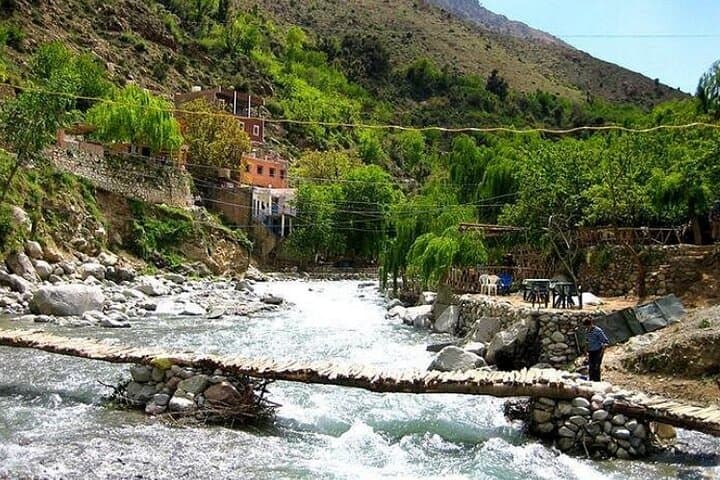
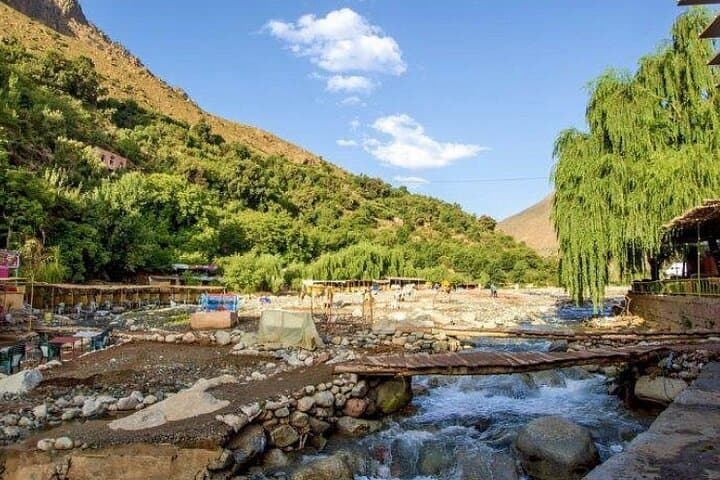
You leave Marrakech behind as the city’s heat and honking fade, and the road begins to climb into the High Atlas. Olive groves and terraced fields give way to steeper, ochre slopes; the river in the valley below murmurs and dares you to slow down. By midmorning the village of Setti Fatma appears—whitewashed houses stacked on a hillside, the promise of seven waterfalls tucked into a rocky amphitheater.
Verified experiences and guided adventures in the surrounding area.
Operated by Toubkal travel · Setti Fatma, Marrakech-Safi
You leave Marrakech behind as the city’s heat and honking fade, and the road begins to climb into the High Atlas. Olive groves and terraced fields give way to steeper, ochre slopes; the river in the valley below murmurs and dares you to slow down. By midmorning the village of Setti Fatma appears—whitewashed houses stacked on a hillside, the promise of seven waterfalls tucked into a rocky amphitheater.
The Ourika Valley has long been a corridor between Marrakech and the mountain communities of the Atlas. Geologically, the valley cuts through schist and sandstone, creating narrow gorges and stepped cascades where water exploits the fractures. The valley is home to Amazigh (Berber) villages whose agriculture — olive, almond, and terrace farming — shaped local culture for centuries.
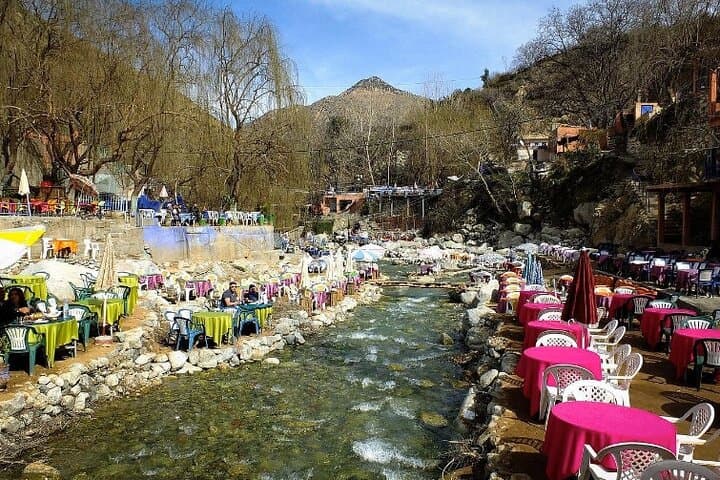
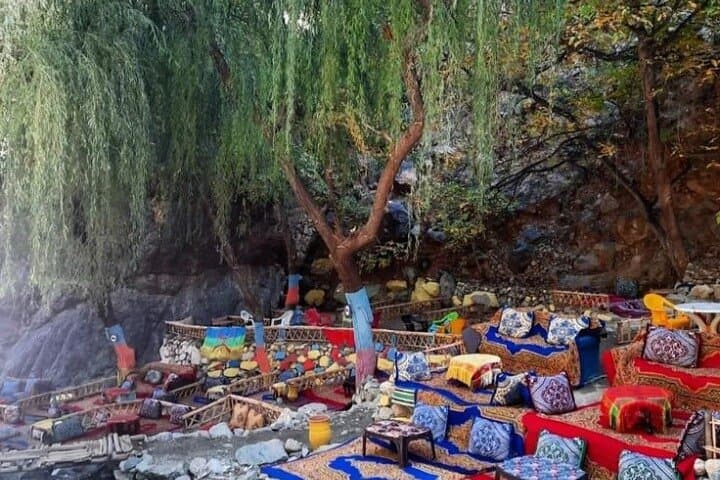
On this full-day outing a local guide leads a short hike along footpaths and stream crossings to the Setti Fatma falls. Terrain is mostly packed-earth trails with rocky sections and stone steps; expect a cumulative elevation change of roughly 150–300 meters depending on how many waterfall tiers you visit. The outing pairs nature with culture: stop by a women’s argan cooperative or eat lunch at a riverside restaurant serving tagines and fresh salads.
Practical notes: start early to avoid midday crowds and heat, wear sturdy walking shoes with good traction, and carry a daypack with water and sun protection. The tour handles logistics—air-conditioned transport, bottled water in transit, and hotel pickup—so you can focus on the trail, the view, and the cascades pushing cool air toward the valley.
easy.
8–9 hours.
Suitable for travelers in average shape; requires short stretches of uphill walking and some uneven footing.
The walk to the main waterfall tiers can take 45–90 minutes roundtrip depending on pace and how many cascades you visit; the overall tour runs about 8–9 hours including transfers and lunch.
Yes—lunch at a riverside restaurant is included, typically featuring Moroccan dishes like tagine, couscous, salads, and tea; vegetarian options are generally available if requested.
Transportation and many village stops are accessible, but the waterfall trail includes uneven steps and stream crossings that may be challenging for very young children or those with limited mobility.
Local guides on this tour commonly speak English, French, and Arabic, and will provide cultural and practical information throughout the day.
The Ourika Valley has been populated by Amazigh (Berber) communities for centuries and served as a seasonal agricultural zone linking mountain settlements to Marrakech markets.
Increased day-trip traffic stresses trails and water resources; visitors should stick to paths, avoid leaving waste, and consider supporting local cooperatives that promote sustainable livelihoods.
Toubkal travel operates guided outdoor trips and adventures with an emphasis on safety, stewardship, and memorable experiences.
You leave Marrakech behind as the city’s heat and honking fade, and the road begins to climb into the High Atlas. Olive groves and terraced fields give way to steeper, ochre slopes; the river in the valley below murmurs and dares you to slow down. By midmorning the village of Setti Fatma appears—whitewashed houses stacked on a hillside, the promise of seven waterfalls tucked into a rocky amphitheater.
You leave Marrakech behind as the city’s heat and honking fade, and the road begins to climb into the High Atlas. Olive groves and terraced fields give way to steeper, ochre slopes; the river in the valley below murmurs and dares you to slow down. By midmorning the village of Setti Fatma appears—whitewashed houses stacked on a hillside, the promise of seven waterfalls tucked into a rocky amphitheater.
The Ourika Valley has long been a corridor between Marrakech and the mountain communities of the Atlas. Geologically, the valley cuts through schist and sandstone, creating narrow gorges and stepped cascades where water exploits the fractures. The valley is home to Amazigh (Berber) villages whose agriculture — olive, almond, and terrace farming — shaped local culture for centuries.
On this full-day outing a local guide leads a short hike along footpaths and stream crossings to the Setti Fatma falls. Terrain is mostly packed-earth trails with rocky sections and stone steps; expect a cumulative elevation change of roughly 150–300 meters depending on how many waterfall tiers you visit. The outing pairs nature with culture: stop by a women’s argan cooperative or eat lunch at a riverside restaurant serving tagines and fresh salads.
Practical notes: start early to avoid midday crowds and heat, wear sturdy walking shoes with good traction, and carry a daypack with water and sun protection. The tour handles logistics—air-conditioned transport, bottled water in transit, and hotel pickup—so you can focus on the trail, the view, and the cascades pushing cool air toward the valley.