THE ADVENTURE COLLECTIVE® · Independent discovery and booking for outdoor travel

Escape Marrakesh for a full-day trip into the Ourika Valley to hike to Setti Fatma’s waterfalls, meet local Amazigh communities, and see the lower High Atlas up close. Expect easy hiking, vivid river scenery, and a culturally rich stop that fits into a single day.
Escape Marrakesh for a full-day trip into the Ourika Valley to hike to Setti Fatma’s waterfalls, meet local Amazigh communities, and see the lower High Atlas up close. Expect easy hiking, vivid river scenery, and a culturally rich stop that fits into a single day.
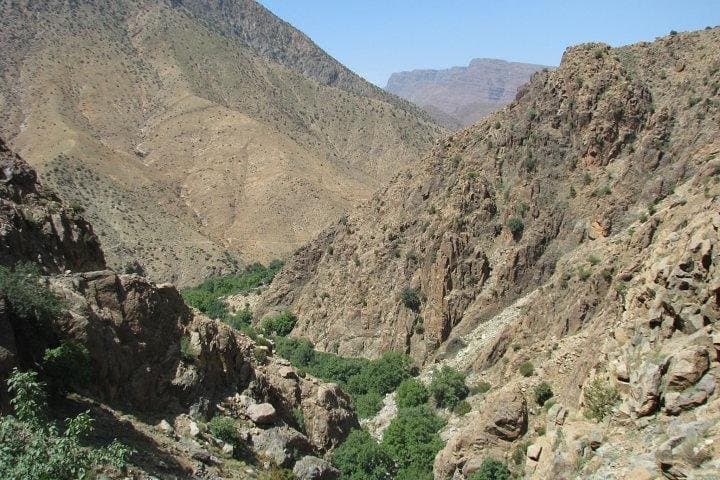
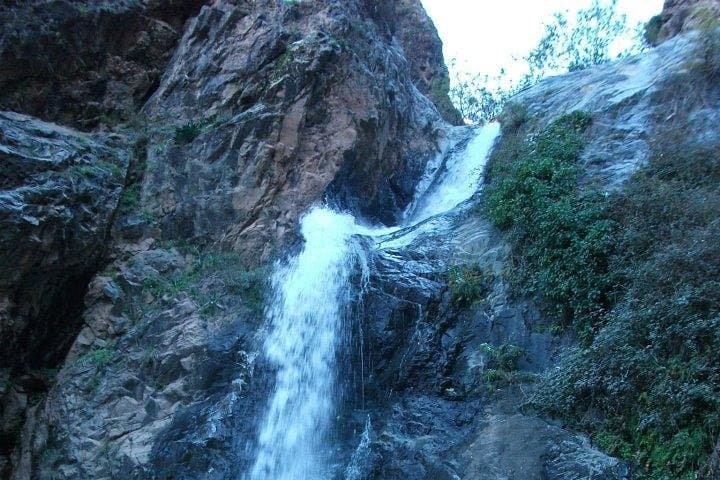
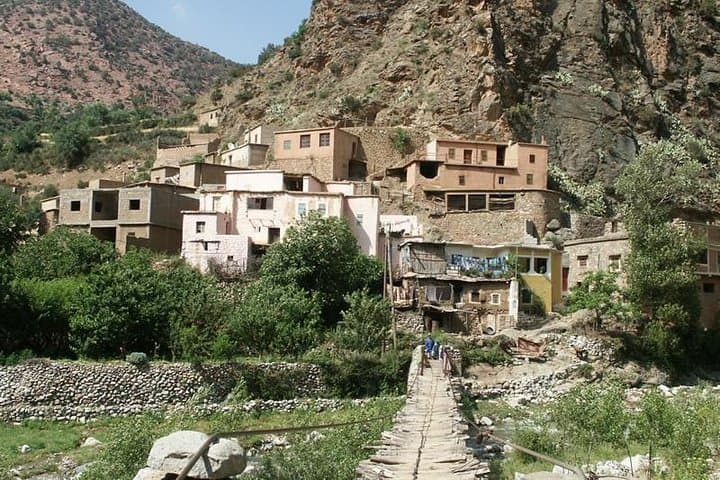
A morning drive out of Marrakesh peels away the city’s heat and noise; the road climbs into the lower slopes of the High Atlas and the air sharpens. By the time the minivan eases into the Ourika Valley, terraced fields and flat-roofed stone houses frame a river that seems to dare you to follow it uphill. The trail to Setti Fatma’s waterfalls is short but lively: rocky steps, shaded cork oaks, and the rush of cascades that change tone as you ascend.
Verified experiences and guided adventures in the surrounding area.
Operated by Chez Ali Marrakech · Setti Fatma, Marrakesh-Safi
A morning drive out of Marrakesh peels away the city’s heat and noise; the road climbs into the lower slopes of the High Atlas and the air sharpens. By the time the minivan eases into the Ourika Valley, terraced fields and flat-roofed stone houses frame a river that seems to dare you to follow it uphill. The trail to Setti Fatma’s waterfalls is short but lively: rocky steps, shaded cork oaks, and the rush of cascades that change tone as you ascend.
The valley has long been shaped by Amazigh (Berber) communities who farm the steep terraces and host travelers for mint tea and tagine. Geologically, the area is the weathered edge of the High Atlas—schist and limestone sliced by seasonal streams—so waterfalls gain volume after winter rains and taper in late summer. Cultural notes are visible: stacked stone walls, hand-carved utensils, and local guides who read the landscape as a living map.
Practical guidance: expect 7–8 hours total including transport from Marrakesh, with a short, mostly gentle hike to reach several cascades. Wear grippy shoes for wet rock and bring at least 1 liter of water; the sun can be strong even when the valley feels cool. Timing matters—arrive late morning to avoid midday crowds and to see waterfalls with good light. Respect private terraces, tip guides and tea hosts, and give yourself time for the short walks between viewpoints. This day trip is an accessible way to touch Atlas culture and mountain scenery without overnight logistics.
easy.
7–8 hours.
Suitable for most fitness levels; involves short uphill walking on uneven terrain but no sustained technical climbing.
The walking sections to reach the main cascades are short—typically 30–60 minutes one way depending on your pace and how many viewpoints you stop at.
Yes—this tour is family-friendly; paths are not technical but watch children near wet rock and steep drops and consider a carrier for infants on uneven sections.
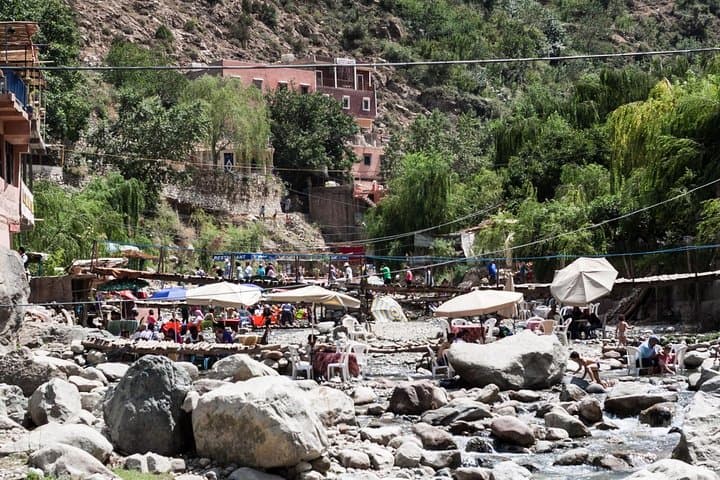
A local lunch is commonly included on organized tours; there are also small tea houses and snack stops in Setti Fatma for extras like mint tea and simple home-cooked dishes.
A guide is recommended for logistics, cultural context, and navigation; many organized day trips include a local guide and hotel pickup from Marrakesh.
The Ourika Valley has been inhabited by Amazigh (Berber) communities for centuries; villages like Setti Fatma preserve traditional agriculture and stone architecture tied to the mountain climate.
Erosion from foot traffic and seasonal water use stresses terraces and streambanks; stick to trails, avoid littering, and support local guides and businesses to encourage sustainable visitation.
Chez Ali Marrakech operates guided outdoor trips and adventures with an emphasis on safety, stewardship, and memorable experiences.
A morning drive out of Marrakesh peels away the city’s heat and noise; the road climbs into the lower slopes of the High Atlas and the air sharpens. By the time the minivan eases into the Ourika Valley, terraced fields and flat-roofed stone houses frame a river that seems to dare you to follow it uphill. The trail to Setti Fatma’s waterfalls is short but lively: rocky steps, shaded cork oaks, and the rush of cascades that change tone as you ascend.
A morning drive out of Marrakesh peels away the city’s heat and noise; the road climbs into the lower slopes of the High Atlas and the air sharpens. By the time the minivan eases into the Ourika Valley, terraced fields and flat-roofed stone houses frame a river that seems to dare you to follow it uphill. The trail to Setti Fatma’s waterfalls is short but lively: rocky steps, shaded cork oaks, and the rush of cascades that change tone as you ascend.
The valley has long been shaped by Amazigh (Berber) communities who farm the steep terraces and host travelers for mint tea and tagine. Geologically, the area is the weathered edge of the High Atlas—schist and limestone sliced by seasonal streams—so waterfalls gain volume after winter rains and taper in late summer. Cultural notes are visible: stacked stone walls, hand-carved utensils, and local guides who read the landscape as a living map.
Practical guidance: expect 7–8 hours total including transport from Marrakesh, with a short, mostly gentle hike to reach several cascades. Wear grippy shoes for wet rock and bring at least 1 liter of water; the sun can be strong even when the valley feels cool. Timing matters—arrive late morning to avoid midday crowds and to see waterfalls with good light. Respect private terraces, tip guides and tea hosts, and give yourself time for the short walks between viewpoints. This day trip is an accessible way to touch Atlas culture and mountain scenery without overnight logistics.