THE ADVENTURE COLLECTIVE® · Independent discovery and booking for outdoor travel

Escape Marrakech for an eight-hour drive into the Atlas foothills to hike to Setti Fatma’s cascading falls, visit Berber homes and cooperatives, and take in panoramic valley views. This moderate day trip blends culture, short hiking, and mountain scenery.
Escape Marrakech for an eight-hour drive into the Atlas foothills to hike to Setti Fatma’s cascading falls, visit Berber homes and cooperatives, and take in panoramic valley views. This moderate day trip blends culture, short hiking, and mountain scenery.
A dust-sweet breeze lifts as the minibus peels away from Marrakech’s ochre walls and the atlas foothills grow larger on the horizon. Within an hour the road sinks into a green cleft—olive trees and terraced fields giving way to stone-built villages and the call to prayer drifting down the slopes. The final stretch drops into the Ourika Valley, where Setti Fatma’s waterfalls cut white gutters into black rock and locals move between houses with bundles of wood and jars of olive oil.
Verified experiences and guided adventures in the surrounding area.
Operated by Morocco Sahara Desert Travel · Setti Fatma, Marrakesh-Safi
A dust-sweet breeze lifts as the minibus peels away from Marrakech’s ochre walls and the atlas foothills grow larger on the horizon. Within an hour the road sinks into a green cleft—olive trees and terraced fields giving way to stone-built villages and the call to prayer drifting down the slopes. The final stretch drops into the Ourika Valley, where Setti Fatma’s waterfalls cut white gutters into black rock and locals move between houses with bundles of wood and jars of olive oil.
Geology here is compact: the lower High Atlas is composed of folded sedimentary layers with sharp ravines carved by seasonal streams. The valley is inhabited by Amazigh (Berber) communities whose small cooperatives sell wool, argan oil, and woven crafts. The area’s modern tourism sits alongside working farms and mule tracks that predate the paved road.
Expect a 1–1.5 hour hike to the main cascades—short, often steep, and on uneven stone steps—suitable for hikers with moderate fitness. The full experience is an 8-hour outing including hotel pickup and drop-off, guided stops at viewpoints, a visit to a Berber house and cooperative, and time for a typical local lunch in Setti Fatma.
Practical notes: start early to avoid midday heat, bring cash for small purchases, and wear sturdy shoes—wet rocks are slippery. Respect private homes when visiting and leave no trace at the streams; the valley’s watercourses are seasonal and vulnerable to litter and erosion. This day trip blends easy hiking, cultural exchange, and accessible mountain scenery for a substantive escape from the city.
moderate.
8 hours (including transfers); 1–1.5 hours hiking.
Suitable for travelers with moderate fitness who can manage short uphill sections and stairs
The drive is about 45–75 minutes each way depending on traffic and exact pickup location; expect a full 8-hour day including stops.
The hike to Setti Fatma waterfalls is short (about 1–1.5 hours roundtrip) but includes steep stone steps and uneven ground—moderate fitness and good shoes are recommended.
A typical local lunch is included in the itinerary; bring cash for snacks, additional drinks, and purchases from cooperatives.
Children can join but the operator notes a minimum age of 18 for booking; check with the provider about child rates and infant seats before booking.
The Ourika Valley has long been a waypoint for Amazigh (Berber) communities linking mountain pastures and lowland markets; many paths follow centuries-old mule tracks.
Tourism supports local cooperatives but increases pressure on watercourses; stick to trails, avoid plastic waste, and support certified local products.
Morocco Sahara Desert Travel operates guided outdoor trips and adventures with an emphasis on safety, stewardship, and memorable experiences.
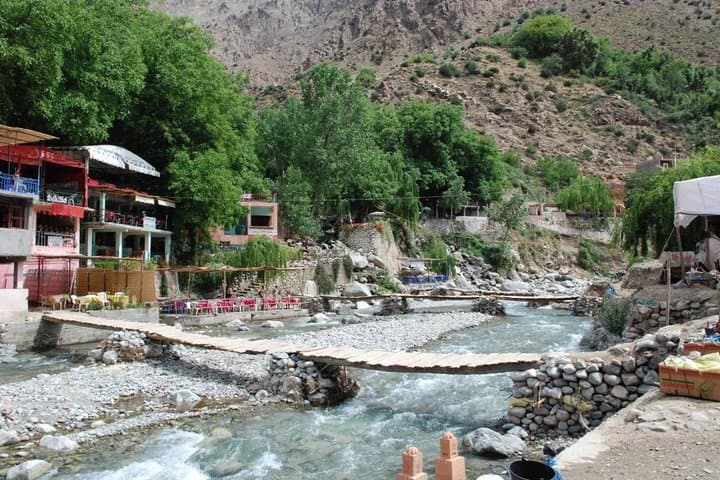
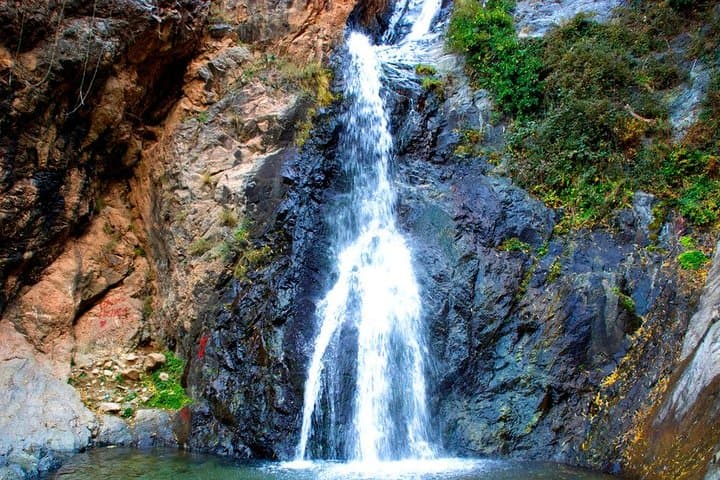
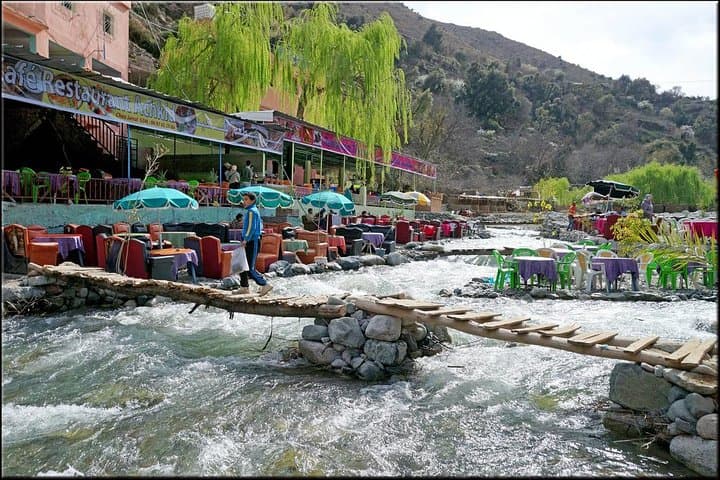
A dust-sweet breeze lifts as the minibus peels away from Marrakech’s ochre walls and the atlas foothills grow larger on the horizon. Within an hour the road sinks into a green cleft—olive trees and terraced fields giving way to stone-built villages and the call to prayer drifting down the slopes. The final stretch drops into the Ourika Valley, where Setti Fatma’s waterfalls cut white gutters into black rock and locals move between houses with bundles of wood and jars of olive oil.
A dust-sweet breeze lifts as the minibus peels away from Marrakech’s ochre walls and the atlas foothills grow larger on the horizon. Within an hour the road sinks into a green cleft—olive trees and terraced fields giving way to stone-built villages and the call to prayer drifting down the slopes. The final stretch drops into the Ourika Valley, where Setti Fatma’s waterfalls cut white gutters into black rock and locals move between houses with bundles of wood and jars of olive oil.
Geology here is compact: the lower High Atlas is composed of folded sedimentary layers with sharp ravines carved by seasonal streams. The valley is inhabited by Amazigh (Berber) communities whose small cooperatives sell wool, argan oil, and woven crafts. The area’s modern tourism sits alongside working farms and mule tracks that predate the paved road.
Expect a 1–1.5 hour hike to the main cascades—short, often steep, and on uneven stone steps—suitable for hikers with moderate fitness. The full experience is an 8-hour outing including hotel pickup and drop-off, guided stops at viewpoints, a visit to a Berber house and cooperative, and time for a typical local lunch in Setti Fatma.
Practical notes: start early to avoid midday heat, bring cash for small purchases, and wear sturdy shoes—wet rocks are slippery. Respect private homes when visiting and leave no trace at the streams; the valley’s watercourses are seasonal and vulnerable to litter and erosion. This day trip blends easy hiking, cultural exchange, and accessible mountain scenery for a substantive escape from the city.