THE ADVENTURE COLLECTIVE® · Independent discovery and booking for outdoor travel

A full-day trip from Marrakech into the High Atlas that pairs a cultural visit to Amazigh villages and an argan cooperative with a guided hike to Setti Fadma’s waterfalls. Expect 7–8 hours, uneven trails, and riverside lunch.
A full-day trip from Marrakech into the High Atlas that pairs a cultural visit to Amazigh villages and an argan cooperative with a guided hike to Setti Fadma’s waterfalls. Expect 7–8 hours, uneven trails, and riverside lunch.
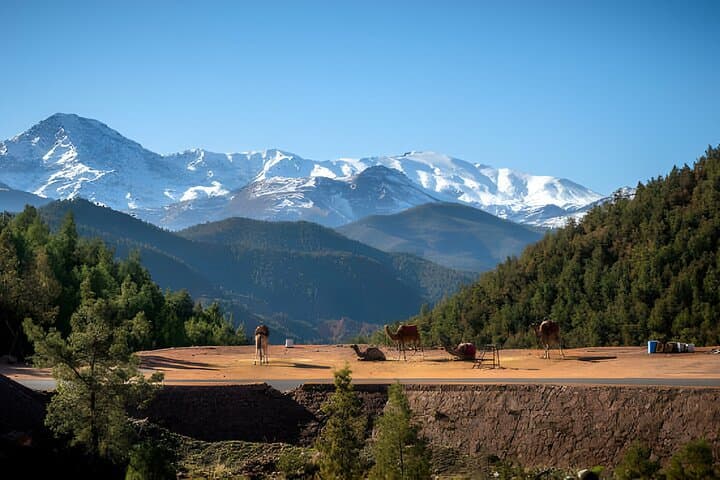
The road south from Marrakech narrows and climbs, the city’s heat giving way to stone terraces and scrub that press close to the windshield.
Verified experiences and guided adventures in the surrounding area.
Operated by Tamnougalt Agdez Tour Guide · Marrakech, Marrakech-Safi
The road south from Marrakech narrows and climbs, the city’s heat giving way to stone terraces and scrub that press close to the windshield.
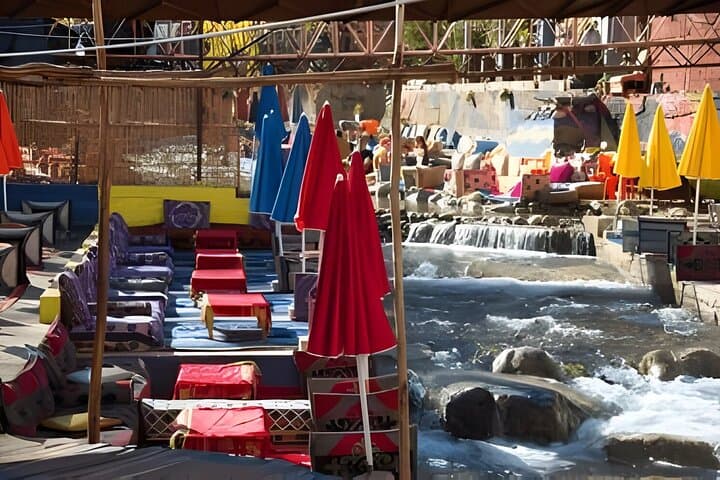
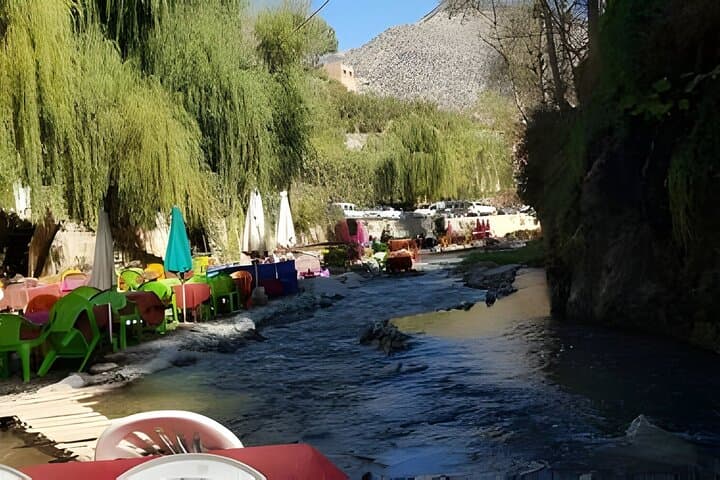
By mid-morning the Ourika River appears below—clear and insistent—its current daring you to follow the trail up into the High Atlas. In Setti Fadma a local guide will lead you along mule tracks and carved stone steps toward a series of seven small waterfalls, where moss-dark rocks and spray cut through the dry mountain air.
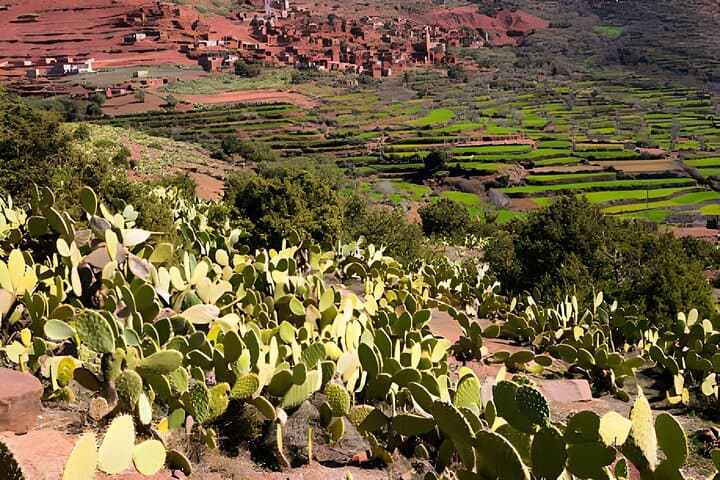
This valley has been lived in by Amazigh (Berber) families for centuries; you’ll see flat-roofed houses of local stone and visit a women’s argan cooperative where traditional pressing methods remain in use. Geologically the rippled ridges around Ourika are folded sandstone and limestone, shaped by seasonal streams and flash floods that create the falls you walk to.
Culturally the area balances subsistence farming, small-scale tourism, and market days—come Monday and the village souk hums with sellers from higher hamlets. The landscape feels active: streams push forward, winds shift grasses, and terraced fields hold summer water.
Practical guidance: expect a 7–8 hour day including round-trip transport from Marrakech, with roughly 1–2 hours of uphill walking on uneven, sometimes slippery stone. Wear grippy shoes, pack water and sunscreen, and plan for a simple riverside lunch in town. Start early to avoid midday heat and give yourself time to enjoy the argan cooperative and the market before the hike back to Marrakech.
easy.
7–8 hours.
Suitable for travelers comfortable with 1–2 hours of steady walking on uneven, sometimes steep stone paths; basic stamina required for the round-trip.
The guided walk to the main falls typically takes 45–90 minutes each way depending on pace and which falls you visit, on top of the drive time from Marrakech.
Yes—paths are manageable but include uneven steps; children and older travelers should be steady on their feet and travel with supervision.
A local riverside lunch is usually provided as part of the trip; confirm specifics with the operator if you have dietary requirements.
Most tours include hotel pickup in Marrakech; you’ll be asked to provide your pickup point when booking.
The Ourika Valley has long been inhabited by Amazigh communities who farm terraced slopes and trade in argan oil; weekly souks connect highland hamlets to valley markets.
Argan cooperatives promote sustainable tree harvesting while tourism increases pressure on paths—stick to trails, avoid single-use plastics, and support local businesses to spread economic benefit.
Tamnougalt Agdez Tour Guide operates guided outdoor trips and adventures with an emphasis on safety, stewardship, and memorable experiences.
The road south from Marrakech narrows and climbs, the city’s heat giving way to stone terraces and scrub that press close to the windshield.
The road south from Marrakech narrows and climbs, the city’s heat giving way to stone terraces and scrub that press close to the windshield.
By mid-morning the Ourika River appears below—clear and insistent—its current daring you to follow the trail up into the High Atlas. In Setti Fadma a local guide will lead you along mule tracks and carved stone steps toward a series of seven small waterfalls, where moss-dark rocks and spray cut through the dry mountain air.
This valley has been lived in by Amazigh (Berber) families for centuries; you’ll see flat-roofed houses of local stone and visit a women’s argan cooperative where traditional pressing methods remain in use. Geologically the rippled ridges around Ourika are folded sandstone and limestone, shaped by seasonal streams and flash floods that create the falls you walk to.
Culturally the area balances subsistence farming, small-scale tourism, and market days—come Monday and the village souk hums with sellers from higher hamlets. The landscape feels active: streams push forward, winds shift grasses, and terraced fields hold summer water.
Practical guidance: expect a 7–8 hour day including round-trip transport from Marrakech, with roughly 1–2 hours of uphill walking on uneven, sometimes slippery stone. Wear grippy shoes, pack water and sunscreen, and plan for a simple riverside lunch in town. Start early to avoid midday heat and give yourself time to enjoy the argan cooperative and the market before the hike back to Marrakech.