THE ADVENTURE COLLECTIVE® · Independent discovery and booking for outdoor travel

Escape Marrakech for a day in the High Atlas: a comfortable drive into the Ourika Valley, a guided hike to Setti Fatma’s seven waterfalls, riverside tagine, and visits with Berber families and argan cooperatives. Practical, scenic, and suitable for most fitness levels.
Escape Marrakech for a day in the High Atlas: a comfortable drive into the Ourika Valley, a guided hike to Setti Fatma’s seven waterfalls, riverside tagine, and visits with Berber families and argan cooperatives. Practical, scenic, and suitable for most fitness levels.
A cool morning leaves Marrakech behind as the road climbs into the High Atlas—terracotta rooftops shrink, then the plain of Haouz gives way to steep, scrubby slopes and villages clinging to the stone. The air sharpens; the Ourika River threads the valley, daring you to follow it upstream toward Setti Fatma and its cascade of falls.
Verified experiences and guided adventures in the surrounding area.
Operated by Open Travel - Day Tours · Marrakech, Marrakech-Safi
A cool morning leaves Marrakech behind as the road climbs into the High Atlas—terracotta rooftops shrink, then the plain of Haouz gives way to steep, scrubby slopes and villages clinging to the stone. The air sharpens; the Ourika River threads the valley, daring you to follow it upstream toward Setti Fatma and its cascade of falls.
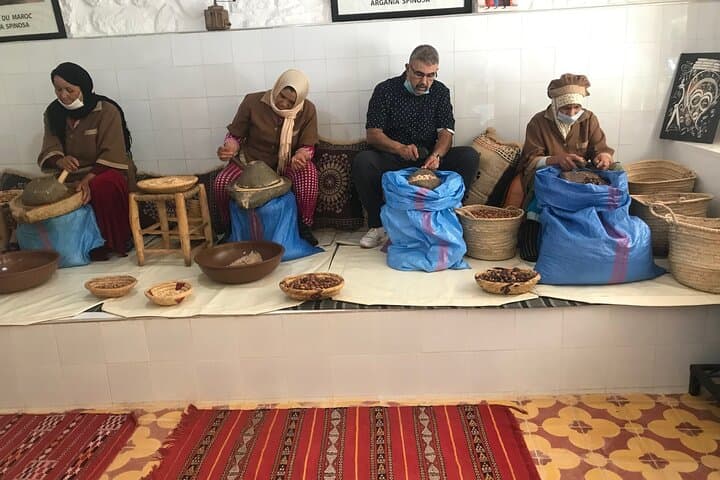
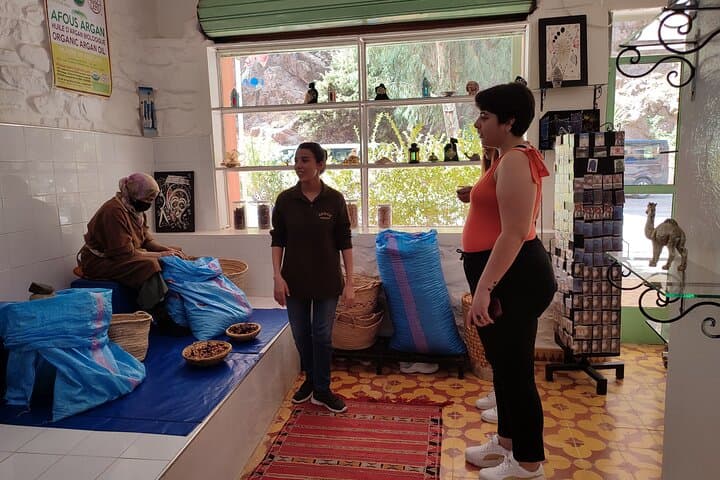
The route traces centuries of Berber life: terraced fields, stone houses, and argan groves whose oil production has shaped local economies—many cooperatives are women-led. Geologically, the High Atlas is young and uplifted; granite and schist underlie narrow river-cut gorges and stepped waterfalls that collect in pools ideal for a mid-hike pause.
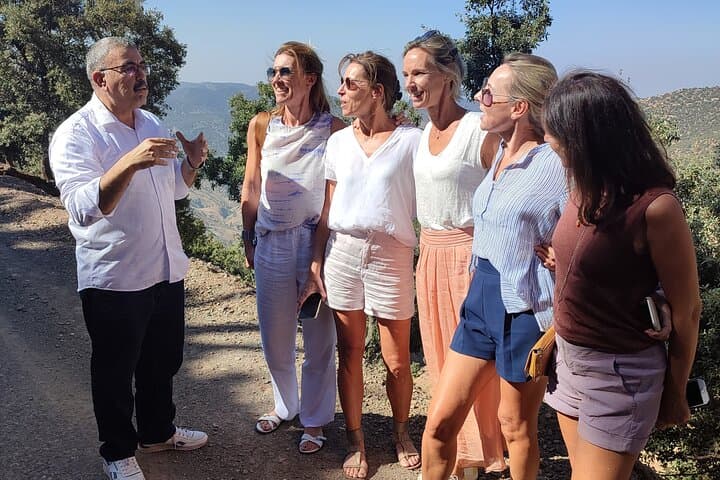
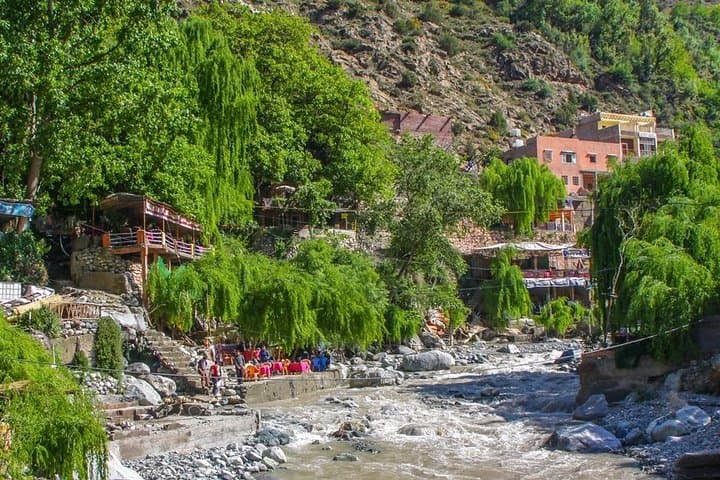
In Setti Fatma a local guide leads a trail of roughly 2–3 km round-trip along stone steps and riverbanks, with intermittent exposed rock and about 200–300 m of cumulative ascent if you push to the upper falls. The path rewards short viewpoints, riverside cafés serving tagine, and the chance to visit a Berber home or an argan cooperative on the return.
Practical edge: the full excursion is 8–10 hours and involves a comfortable air‑conditioned transfer of about 50 km each way from Marrakech. Wear sturdy shoes, bring water and sun protection, and expect uneven terrain and short steep sections. Weekday market visits (Monday or Friday) add cultural texture but demand cash and time. For photographers and hikers who want a manageable mountain day without committing to alpine routes, this trip balances culture, light hiking, and landscape in one accessible package.
moderate.
8–10 hours.
Suitable for travelers in average fitness; requires steady footing and the ability to climb short steep sections.
Expect roughly a 50 km drive each way; travel time is about 1–1.5 hours one way depending on traffic and stops.
Many parts are family-friendly, but sections include steep steps and uneven rock—consider mobility and bring a local guide if needed.
Typical tours include a riverside tagine lunch but verify specifics; entrances to cooperatives or extra activities may require small fees or purchases.
Most operators offer hotel/Riad pickup within Marrakech; confirm your pickup point and time when booking.
The Ourika Valley has long been occupied by Amazigh (Berber) communities; traditional terraced agriculture and seasonal markets remain central to village life.
The High Atlas is ecologically sensitive—stay on trails, avoid disturbing vegetation, and support local cooperatives that practice sustainable argan harvesting.
Open Travel - Day Tours operates guided outdoor trips and adventures with an emphasis on safety, stewardship, and memorable experiences.
A cool morning leaves Marrakech behind as the road climbs into the High Atlas—terracotta rooftops shrink, then the plain of Haouz gives way to steep, scrubby slopes and villages clinging to the stone. The air sharpens; the Ourika River threads the valley, daring you to follow it upstream toward Setti Fatma and its cascade of falls.
A cool morning leaves Marrakech behind as the road climbs into the High Atlas—terracotta rooftops shrink, then the plain of Haouz gives way to steep, scrubby slopes and villages clinging to the stone. The air sharpens; the Ourika River threads the valley, daring you to follow it upstream toward Setti Fatma and its cascade of falls.
The route traces centuries of Berber life: terraced fields, stone houses, and argan groves whose oil production has shaped local economies—many cooperatives are women-led. Geologically, the High Atlas is young and uplifted; granite and schist underlie narrow river-cut gorges and stepped waterfalls that collect in pools ideal for a mid-hike pause.
In Setti Fatma a local guide leads a trail of roughly 2–3 km round-trip along stone steps and riverbanks, with intermittent exposed rock and about 200–300 m of cumulative ascent if you push to the upper falls. The path rewards short viewpoints, riverside cafés serving tagine, and the chance to visit a Berber home or an argan cooperative on the return.
Practical edge: the full excursion is 8–10 hours and involves a comfortable air‑conditioned transfer of about 50 km each way from Marrakech. Wear sturdy shoes, bring water and sun protection, and expect uneven terrain and short steep sections. Weekday market visits (Monday or Friday) add cultural texture but demand cash and time. For photographers and hikers who want a manageable mountain day without committing to alpine routes, this trip balances culture, light hiking, and landscape in one accessible package.