THE ADVENTURE COLLECTIVE® · Independent discovery and booking for outdoor travel

A private day excursion from Marrakech into the High Atlas that blends easy cultural stops with a scenic hike to the famous Seven Cascades. Experience Berber village life, argan cooperatives and river-cut mountain scenery within a day trip.
A private day excursion from Marrakech into the High Atlas that blends easy cultural stops with a scenic hike to the famous Seven Cascades. Experience Berber village life, argan cooperatives and river-cut mountain scenery within a day trip.
You leave Marrakech’s ochre walls and, within an hour, the road climbs into the High Atlas. The valley opens like a green throat: olive terraces, a river that alternates between lazy pools and narrow, rushing channels, and scattered stone douars clinging to sun-baked slopes. Setti Fatma sits at the mountain’s throat — the trailhead for the Seven Cascades where water shapes the path and the peaks watch quietly.
Verified experiences and guided adventures in the surrounding area.
Operated by Jamal · Setti Fatma, Marrakech-Safi
You leave Marrakech’s ochre walls and, within an hour, the road climbs into the High Atlas. The valley opens like a green throat: olive terraces, a river that alternates between lazy pools and narrow, rushing channels, and scattered stone douars clinging to sun-baked slopes. Setti Fatma sits at the mountain’s throat — the trailhead for the Seven Cascades where water shapes the path and the peaks watch quietly.
The Ourika Valley has been a lifeline for Berber communities for centuries. Terraced fields, irrigation channels (some still driven by traditional hydraulic mills), and rug workshops reflect a pastoral economy adapted to steep terrain. Geologically the High Atlas is young and rugged: folded limestone and schist uplifted by the African-Eurasian collision, sending snowmelt down into lush river corridors.
Expect a mix of culture and easy-to-moderate walking: visits to a Berber house and an argan cooperative, a souk if your timing matches market day, and a hike that takes you past olive groves and rock slabs to viewpoint pools and cascades. The Seven Cascades route is popular but varied — stone steps, dirt switchbacks, and stream crossings that occasionally demand sure-footedness.
Practical guidance: start early for cooler temperatures and to avoid crowds; carry 1–2 liters of water, sun protection, and sturdy shoes with grip; allow 4–6 hours on foot for the cascading section (round-trip) with roughly 300–400 m elevation gain depending how far you go. Respect local customs (ask before photographing people), support cooperatives rather than buying from roadside middlemen, and stay on marked trails to protect fragile terraces.
moderate.
8–9 hours (total, including transport and stops).
Moderate fitness — able to walk several hours with short steep sections and occasional uneven terrain.
The main trail from Setti Fatma to the waterfalls takes about 1.5–3 hours round-trip depending on pace and how many cascades you visit; expect 300–400 m cumulative ascent if you climb past the lower falls.
Yes — private air-conditioned transport is provided from Marrakech and back as part of the private excursion.
The tour accommodates most fitness levels; however, families with very young children or travelers with serious mobility issues should avoid steep sections—some stops are accessible by car and short walks.
A professional guide is included; admission fees to specific sites (if any) should be confirmed with the operator prior to booking.
The Ourika Valley has long been home to Amazigh (Berber) communities whose terraced agriculture and craft traditions reflect centuries of adaptation to the High Atlas environment.
Visitor pressure and water extraction affect fragile terraces and stream flows; support local cooperatives and stay on trails to minimize impact.
Jamal operates guided outdoor trips and adventures with an emphasis on safety, stewardship, and memorable experiences.
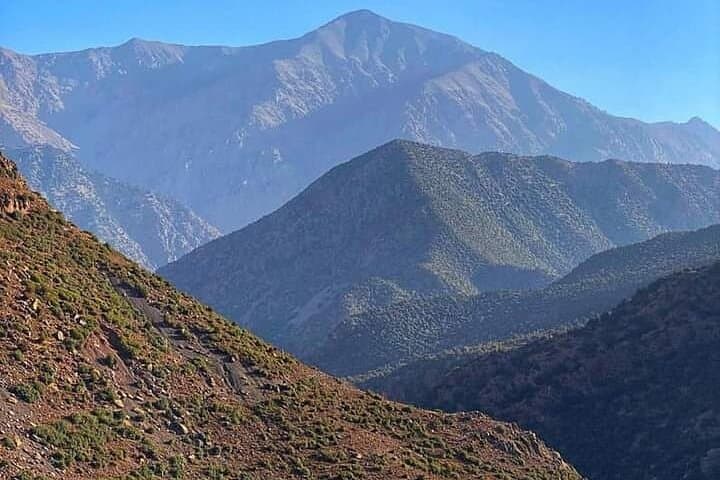
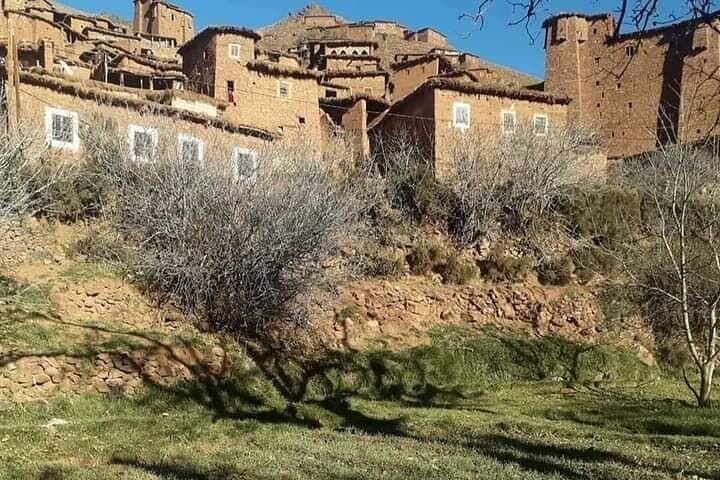
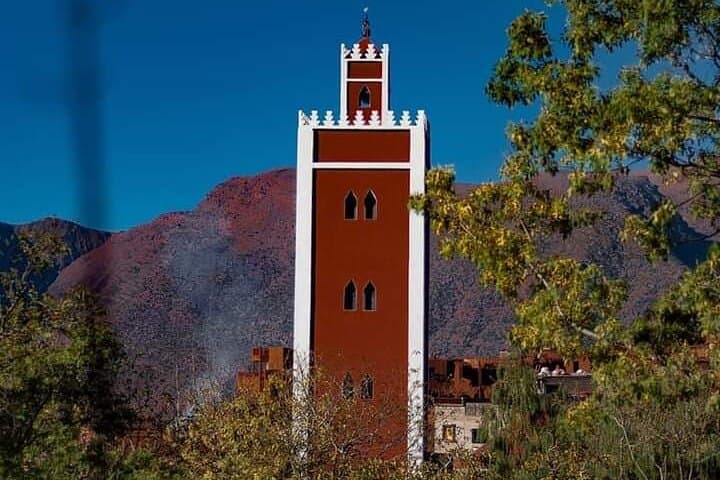
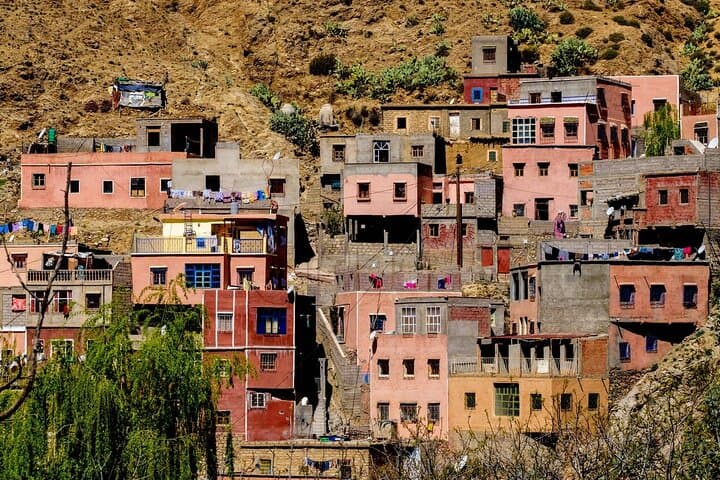
You leave Marrakech’s ochre walls and, within an hour, the road climbs into the High Atlas. The valley opens like a green throat: olive terraces, a river that alternates between lazy pools and narrow, rushing channels, and scattered stone douars clinging to sun-baked slopes. Setti Fatma sits at the mountain’s throat — the trailhead for the Seven Cascades where water shapes the path and the peaks watch quietly.
You leave Marrakech’s ochre walls and, within an hour, the road climbs into the High Atlas. The valley opens like a green throat: olive terraces, a river that alternates between lazy pools and narrow, rushing channels, and scattered stone douars clinging to sun-baked slopes. Setti Fatma sits at the mountain’s throat — the trailhead for the Seven Cascades where water shapes the path and the peaks watch quietly.
The Ourika Valley has been a lifeline for Berber communities for centuries. Terraced fields, irrigation channels (some still driven by traditional hydraulic mills), and rug workshops reflect a pastoral economy adapted to steep terrain. Geologically the High Atlas is young and rugged: folded limestone and schist uplifted by the African-Eurasian collision, sending snowmelt down into lush river corridors.
Expect a mix of culture and easy-to-moderate walking: visits to a Berber house and an argan cooperative, a souk if your timing matches market day, and a hike that takes you past olive groves and rock slabs to viewpoint pools and cascades. The Seven Cascades route is popular but varied — stone steps, dirt switchbacks, and stream crossings that occasionally demand sure-footedness.
Practical guidance: start early for cooler temperatures and to avoid crowds; carry 1–2 liters of water, sun protection, and sturdy shoes with grip; allow 4–6 hours on foot for the cascading section (round-trip) with roughly 300–400 m elevation gain depending how far you go. Respect local customs (ask before photographing people), support cooperatives rather than buying from roadside middlemen, and stay on marked trails to protect fragile terraces.