THE ADVENTURE COLLECTIVE® · Independent discovery and booking for outdoor travel

Escape Marrakech for a day in the Ourika Valley: brief hikes to Setti-Fatma’s waterfalls, riverside tagines, and hands-on glimpses of Berber village life in the Atlas foothills.
Escape Marrakech for a day in the Ourika Valley: brief hikes to Setti-Fatma’s waterfalls, riverside tagines, and hands-on glimpses of Berber village life in the Atlas foothills.
The day begins on a two-lane road slipping out of Marrakech, the air cooling as the Atlas foothills rise and the Ourika River dares you closer to its banks. Small stone houses crouch on terraces; olive trees lean toward the water. By midmorning you arrive in Setti-Fatma, where paths climb through almond groves and the sound of falling water pulls you up to a series of short cascades.
Verified experiences and guided adventures in the surrounding area.
Operated by Excursions Marrakech · Setti-Fatma, Marrakech-Safi
The day begins on a two-lane road slipping out of Marrakech, the air cooling as the Atlas foothills rise and the Ourika River dares you closer to its banks. Small stone houses crouch on terraces; olive trees lean toward the water. By midmorning you arrive in Setti-Fatma, where paths climb through almond groves and the sound of falling water pulls you up to a series of short cascades.
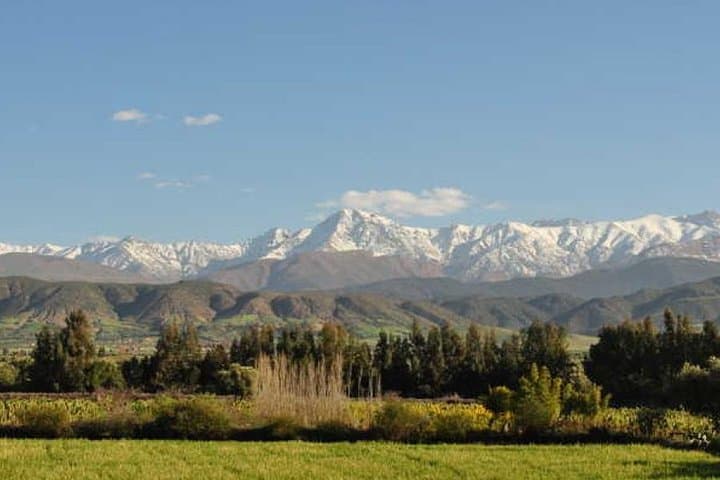
This valley carries a clear agricultural history: Berber villages have farmed these slopes for centuries, shaping terraces and irrigation channels tied to the Haouz plain below. Geologically, the High Atlas that frames the valley are folded sedimentary rocks uplifted by tectonic collision, offering steep ravines and fast-draining scree above gentler river terraces.
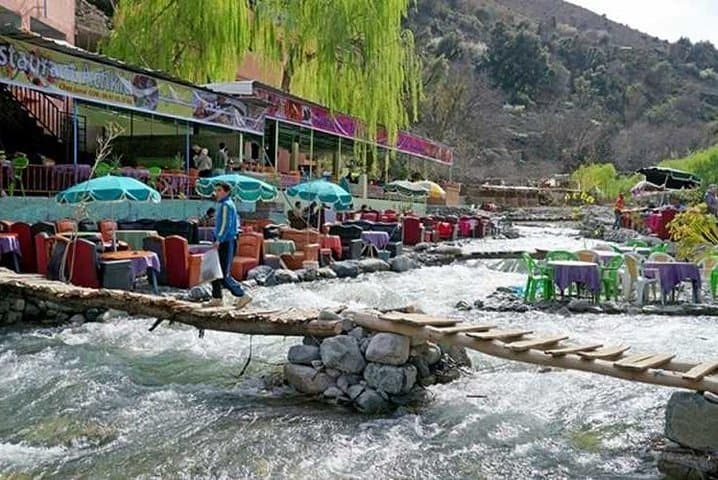
Culturally, the Ourika is as much about people as place. Local guides—often Berber—lead a compact hike to viewpoints and waterfalls, and many riverside cafés serve tagine and mint tea where you can watch daily life unfold. Expect conversations about irrigation, seasonal planting, and family-run terraces.
Practically: the guided hike is typically 45–75 minutes on uneven trails with stone steps and loose gravel; bring sturdy shoes, sun protection, and water. Morning departures from Marrakech avoid midday heat and give better light for photos. Respect private terraces, ask before photographing locals, and plan for a relaxed lunch by the river. The route is accessible for moderately fit travelers and offers a quick, vivid encounter with Atlas landscapes and Berber traditions.
moderate.
5–6 hours (transport included).
Moderately fit: able to walk on uneven terrain for up to an hour with short, steep sections
The typical guided walk is about 45–75 minutes round-trip, depending on pace and how many cascades you stop at.
Yes with precautions—children and seniors should be steady on uneven steps; consider shorter routes and avoid the highest cascades.
Lunch is usually not included; many tours stop at a riverside restaurant where you can order tagine and tea.
Most tours provide air-conditioned transport from Marrakech; the drive is roughly 45–75 minutes each way depending on traffic and starting point.
The Ourika Valley has long been inhabited by Amazigh (Berber) communities who developed terrace farming and water channels to work steep slopes for olives, almonds, and barley.
Visitor volume can strain trails and water resources; stick to marked paths, avoid littering, and support local guides to contribute to sustainable income.
Excursions Marrakech operates guided outdoor trips and adventures with an emphasis on safety, stewardship, and memorable experiences.
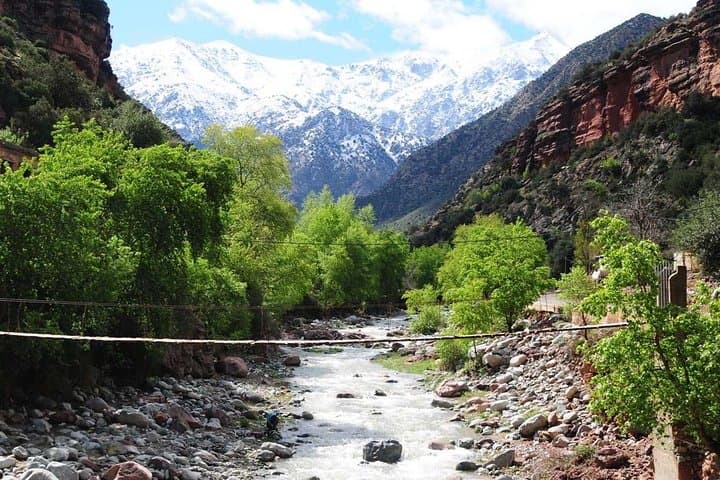
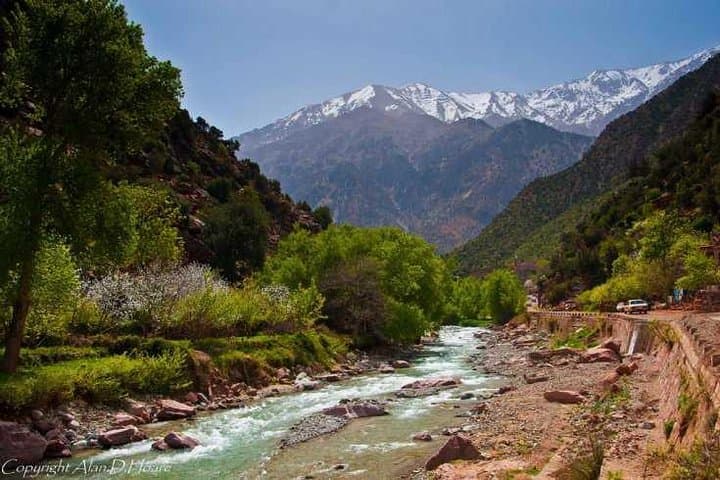
The day begins on a two-lane road slipping out of Marrakech, the air cooling as the Atlas foothills rise and the Ourika River dares you closer to its banks. Small stone houses crouch on terraces; olive trees lean toward the water. By midmorning you arrive in Setti-Fatma, where paths climb through almond groves and the sound of falling water pulls you up to a series of short cascades.
The day begins on a two-lane road slipping out of Marrakech, the air cooling as the Atlas foothills rise and the Ourika River dares you closer to its banks. Small stone houses crouch on terraces; olive trees lean toward the water. By midmorning you arrive in Setti-Fatma, where paths climb through almond groves and the sound of falling water pulls you up to a series of short cascades.
This valley carries a clear agricultural history: Berber villages have farmed these slopes for centuries, shaping terraces and irrigation channels tied to the Haouz plain below. Geologically, the High Atlas that frames the valley are folded sedimentary rocks uplifted by tectonic collision, offering steep ravines and fast-draining scree above gentler river terraces.
Culturally, the Ourika is as much about people as place. Local guides—often Berber—lead a compact hike to viewpoints and waterfalls, and many riverside cafés serve tagine and mint tea where you can watch daily life unfold. Expect conversations about irrigation, seasonal planting, and family-run terraces.
Practically: the guided hike is typically 45–75 minutes on uneven trails with stone steps and loose gravel; bring sturdy shoes, sun protection, and water. Morning departures from Marrakech avoid midday heat and give better light for photos. Respect private terraces, ask before photographing locals, and plan for a relaxed lunch by the river. The route is accessible for moderately fit travelers and offers a quick, vivid encounter with Atlas landscapes and Berber traditions.