THE ADVENTURE COLLECTIVE® · Independent discovery and booking for outdoor travel

A full-day escape from Marrakech into the foothills of the High Atlas, this guided outing visits Berber villages, a women’s argan cooperative and a one-hour trek to seven waterfalls at Setti Fadma. Expect river views, moderate walking and a lunch by the water.
A full-day escape from Marrakech into the foothills of the High Atlas, this guided outing visits Berber villages, a women’s argan cooperative and a one-hour trek to seven waterfalls at Setti Fadma. Expect river views, moderate walking and a lunch by the water.
A cool breeze from the High Atlas threads down the Ourika River as you leave Marrakech’s ochre roofs behind and climb toward terraced slopes. The road narrows between almond trees and argan scrub; villages appear as stepped clusters of earth-tone houses. By mid-morning you arrive in Setti Fadma and set out on a local-guided walk, the river daring you to pause at each shallow ford and photo-ready cascade.
Verified experiences and guided adventures in the surrounding area.
Operated by Marrakech 7 Trips · Setti Fadma, Marrakesh-Safi
A cool breeze from the High Atlas threads down the Ourika River as you leave Marrakech’s ochre roofs behind and climb toward terraced slopes. The road narrows between almond trees and argan scrub; villages appear as stepped clusters of earth-tone houses. By mid-morning you arrive in Setti Fadma and set out on a local-guided walk, the river daring you to pause at each shallow ford and photo-ready cascade.
This valley has long been shaped by human hands—Berber villages, small-scale agriculture and women’s argan cooperatives that modern travelers now visit. Geologically, the Ourika slices through folded sedimentary rocks from the High Atlas, feeding springs that create the series of seven waterfalls. Cultural life is immediate here: tea in a family home, the slow rhythm of mountain markets, and the distinct scent of argan oil drying in the sun.
Expect an easy to moderate mountain path: about an hour of uphill walking to the main falls, rocky sections and occasional slippery stones. Your local guide points out native plants and may spot Barbary macaques on the ridge. Lunch by the river or on a terrace rewards the short effort—fresh, simple fare served family-style.
Practical edge: start early to avoid mid-day heat, wear sturdy non-slip shoes, and carry water—streamside shade is patchy. Respect private yards and wildlife, and bring small bills for cooperatives and guides. The day returns you to Marrakech by late afternoon, carrying river-smooth stones and clearer idea of Atlas life.
moderate.
8 hours.
Suitable for people with basic fitness who can walk for an hour over uneven terrain; not a technical hike.
The guided trek from Setti Fadma to the main cascades takes about 45–60 minutes one way on a mixed dirt and rocky trail.
Yes—walking is moderate and guides adapt the pace, but participants should be steady on uneven ground; infants can use strollers only in village areas.
You may spot Barbary macaques and several mountain bird species along the valley; maintain distance and do not feed animals.
Tea in a Berber home is included; lunch is provided if a private trip option with lunch is booked—confirm when you reserve.
The Ourika Valley is traditionally Berber territory; small villages and terraced farming have shaped the landscape for centuries, and argan oil production remains a local economic staple.
Argan forests and river habitats are sensitive—support local cooperatives, stick to trails, and avoid single-use plastics to reduce your footprint.
Marrakech 7 Trips operates guided outdoor trips and adventures with an emphasis on safety, stewardship, and memorable experiences.
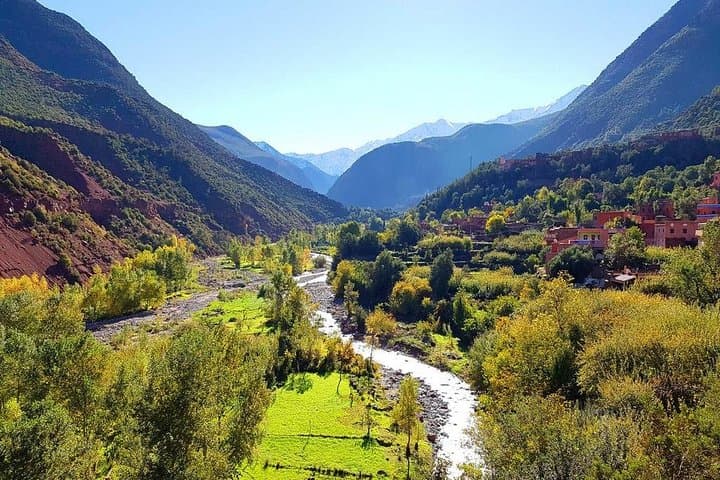
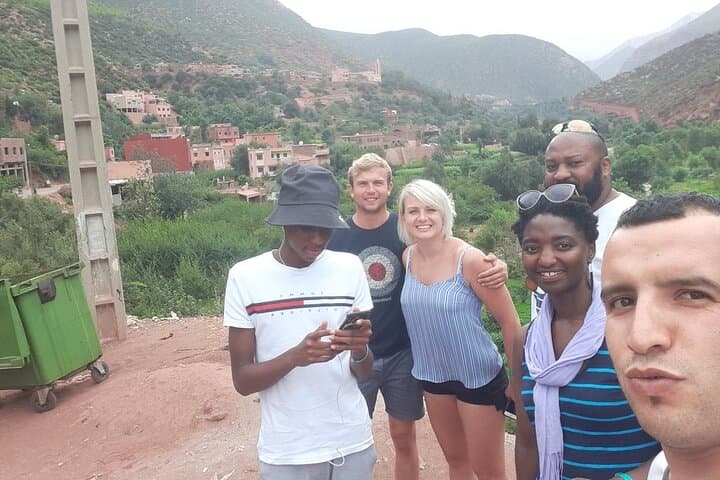
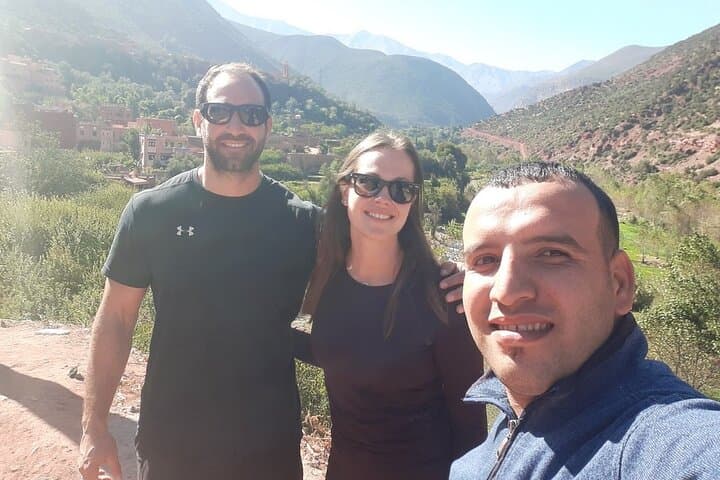
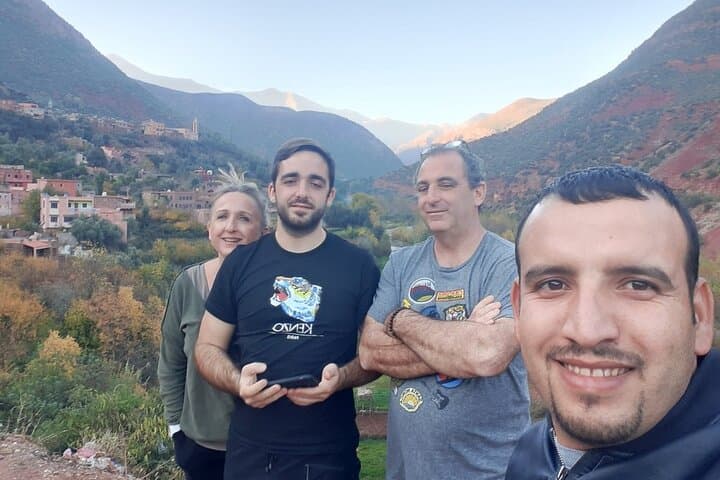
A cool breeze from the High Atlas threads down the Ourika River as you leave Marrakech’s ochre roofs behind and climb toward terraced slopes. The road narrows between almond trees and argan scrub; villages appear as stepped clusters of earth-tone houses. By mid-morning you arrive in Setti Fadma and set out on a local-guided walk, the river daring you to pause at each shallow ford and photo-ready cascade.
A cool breeze from the High Atlas threads down the Ourika River as you leave Marrakech’s ochre roofs behind and climb toward terraced slopes. The road narrows between almond trees and argan scrub; villages appear as stepped clusters of earth-tone houses. By mid-morning you arrive in Setti Fadma and set out on a local-guided walk, the river daring you to pause at each shallow ford and photo-ready cascade.
This valley has long been shaped by human hands—Berber villages, small-scale agriculture and women’s argan cooperatives that modern travelers now visit. Geologically, the Ourika slices through folded sedimentary rocks from the High Atlas, feeding springs that create the series of seven waterfalls. Cultural life is immediate here: tea in a family home, the slow rhythm of mountain markets, and the distinct scent of argan oil drying in the sun.
Expect an easy to moderate mountain path: about an hour of uphill walking to the main falls, rocky sections and occasional slippery stones. Your local guide points out native plants and may spot Barbary macaques on the ridge. Lunch by the river or on a terrace rewards the short effort—fresh, simple fare served family-style.
Practical edge: start early to avoid mid-day heat, wear sturdy non-slip shoes, and carry water—streamside shade is patchy. Respect private yards and wildlife, and bring small bills for cooperatives and guides. The day returns you to Marrakech by late afternoon, carrying river-smooth stones and clearer idea of Atlas life.