THE ADVENTURE COLLECTIVE® · Independent discovery and booking for outdoor travel

A luxury private day trip from Marrakech into the Ourika Valley mixes a guided 1–1.5 hour hike to Setti Fatma’s waterfalls with visits to argan cooperatives and riverside Berber lunch. Expect manageable terrain, cultural insights, and easy transport for a full-day outing.
A luxury private day trip from Marrakech into the Ourika Valley mixes a guided 1–1.5 hour hike to Setti Fatma’s waterfalls with visits to argan cooperatives and riverside Berber lunch. Expect manageable terrain, cultural insights, and easy transport for a full-day outing.
You leave Marrakech behind through a palette of ochre walls and open road; the High Atlas rises like a folded horizon ahead and the Ourika River calls you down a gloved valley. By midmorning the air cools, river stones glint, and the guide eases you into a 1–1.5 hour walk toward Setti Fatma’s waterfalls — small cascades that collect in clear pools and dare you to pause.
Verified experiences and guided adventures in the surrounding area.
Operated by Atlas Dream · Ourika, Marrakech-Safi
You leave Marrakech behind through a palette of ochre walls and open road; the High Atlas rises like a folded horizon ahead and the Ourika River calls you down a gloved valley. By midmorning the air cools, river stones glint, and the guide eases you into a 1–1.5 hour walk toward Setti Fatma’s waterfalls — small cascades that collect in clear pools and dare you to pause.
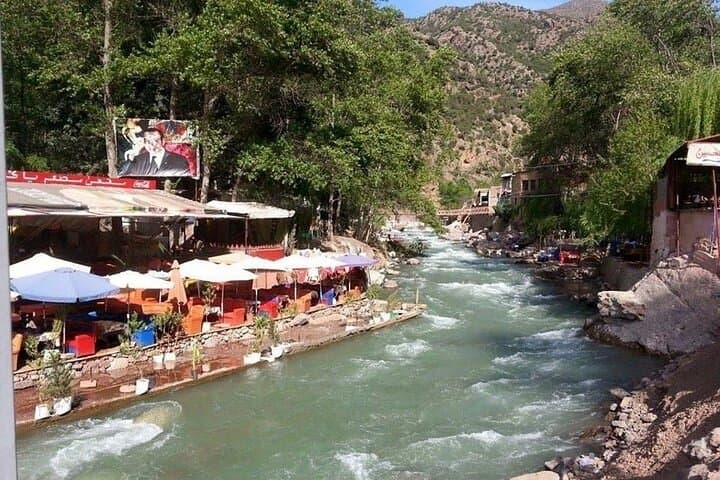
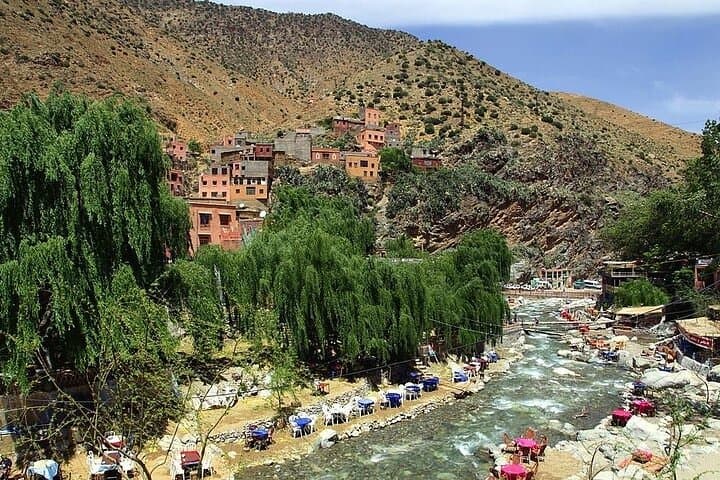
The valley has long been a life source for local Amazigh (Berber) communities; terraces and mule tracks trace centuries of mountain agriculture. Geologically, the Ourika is carved from limestone and shale out of the southern Atlas foothills, producing steep-sided ravines, loose scree near trail edges, and plunge pools at the falls. Cultural notes arrive between the switchbacks: women’s argan cooperatives where you can taste fresh oil, and riverside restaurants serving mint tea and a tagine lunch by the water.
Practical guidance: plan for a roughly 7–8 hour day (including transfers), with 2–3 km of walking on uneven terrain and about 150–300 m of ascent on the waterfall approach. Wear sturdy shoes with grip, bring 1–2 liters of water, sun protection, and small local currency for cooperative purchases and tips. If you prefer a gentler day, skip the upper cascades and linger at the riverside terraces.
Timing matters—early departures avoid midafternoon crowds and heat. Respect private property and local dress norms in villages. The trip combines accessible hiking, hands-on cultural exchange, and landscape photography opportunities—an easy day to touch both the Atlas and Amazigh life without committing to mountain bivouacs.
moderate.
7–8 hours.
Suitable for travelers with moderate fitness who can handle 2–3 km of uneven ascent and short steep sections.
The guided hike is typically 1–1.5 hours round-trip to the main cascades, roughly 2–3 km total with short steep sections.
Yes for most, but the walk involves uneven ground and some climbing; travelers with serious mobility issues or spine/heart problems should avoid it.
Expect hotel pickup and drop-off, an English-speaking guide, guided waterfall walk, river-side Berber lunch, and a visit to an argan women’s cooperative; check the operator for exact inclusions.
Yes—cooperatives commonly sell fresh-pressed argan oil and cosmetic products; bring cash and be prepared to taste samples and learn about traditional pressing methods.
The Ourika Valley has been home to Amazigh (Berber) communities for centuries; terraced farming and mule tracks reflect long-standing mountain adaptation.
Increased day-trip traffic strains water resources and trail banks; stick to paths, avoid leaving waste, and choose operators who support local cooperatives.
Atlas Dream operates guided outdoor trips and adventures with an emphasis on safety, stewardship, and memorable experiences.
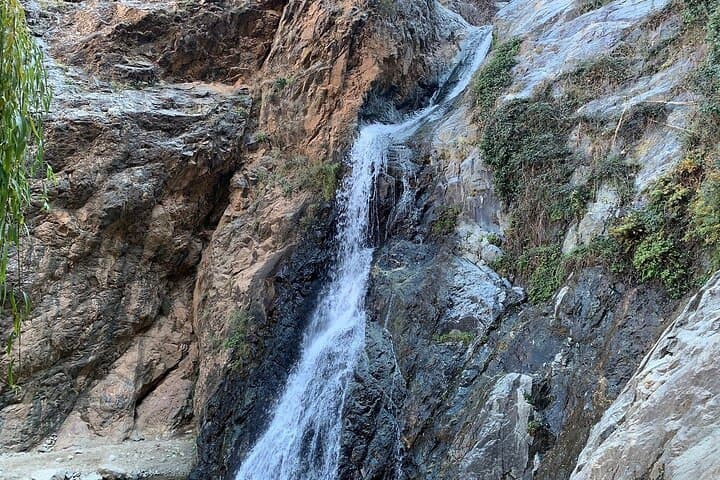
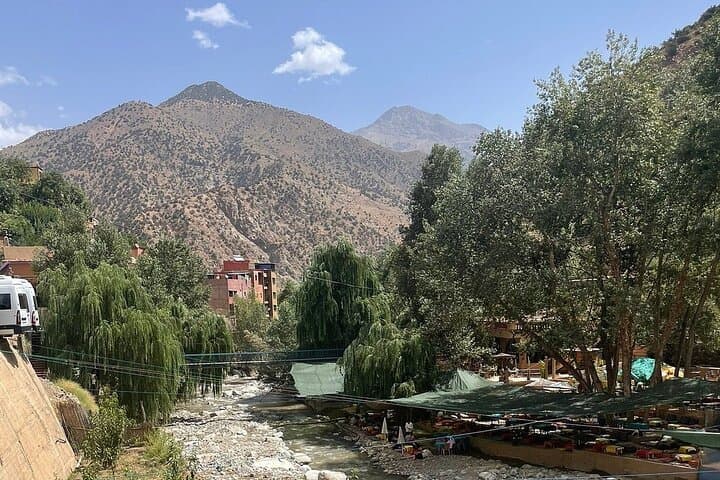
You leave Marrakech behind through a palette of ochre walls and open road; the High Atlas rises like a folded horizon ahead and the Ourika River calls you down a gloved valley. By midmorning the air cools, river stones glint, and the guide eases you into a 1–1.5 hour walk toward Setti Fatma’s waterfalls — small cascades that collect in clear pools and dare you to pause.
You leave Marrakech behind through a palette of ochre walls and open road; the High Atlas rises like a folded horizon ahead and the Ourika River calls you down a gloved valley. By midmorning the air cools, river stones glint, and the guide eases you into a 1–1.5 hour walk toward Setti Fatma’s waterfalls — small cascades that collect in clear pools and dare you to pause.
The valley has long been a life source for local Amazigh (Berber) communities; terraces and mule tracks trace centuries of mountain agriculture. Geologically, the Ourika is carved from limestone and shale out of the southern Atlas foothills, producing steep-sided ravines, loose scree near trail edges, and plunge pools at the falls. Cultural notes arrive between the switchbacks: women’s argan cooperatives where you can taste fresh oil, and riverside restaurants serving mint tea and a tagine lunch by the water.
Practical guidance: plan for a roughly 7–8 hour day (including transfers), with 2–3 km of walking on uneven terrain and about 150–300 m of ascent on the waterfall approach. Wear sturdy shoes with grip, bring 1–2 liters of water, sun protection, and small local currency for cooperative purchases and tips. If you prefer a gentler day, skip the upper cascades and linger at the riverside terraces.
Timing matters—early departures avoid midafternoon crowds and heat. Respect private property and local dress norms in villages. The trip combines accessible hiking, hands-on cultural exchange, and landscape photography opportunities—an easy day to touch both the Atlas and Amazigh life without committing to mountain bivouacs.