THE ADVENTURE COLLECTIVE® · Independent discovery and booking for outdoor travel

Just beyond Marrakech the Ourika Valley shifts the senses: cool mountain air, foaming waterfalls, and villages that keep Amazigh traditions alive. This one-day tour mixes short walks, craft demonstrations and cultural encounters with accessible trails and vivid mountain scenery.
Just beyond Marrakech the Ourika Valley shifts the senses: cool mountain air, foaming waterfalls, and villages that keep Amazigh traditions alive. This one-day tour mixes short walks, craft demonstrations and cultural encounters with accessible trails and vivid mountain scenery.
You leave Marrakech's ochre walls and within thirty minutes the air changes: cedar-scented gusts, a river that dares you to follow it upstream, and villages clinging to steep terraces like stories stuck to a mountain page. The Ourika Valley opens as a living landscape—snow on the High Atlas ridges above, apple orchards and argan trees lower down, and a rushing cascade that marks the turn from road to footpath.
Verified experiences and guided adventures in the surrounding area.
Operated by Snurk.Travel · Ourika, Marrakesh-Safi
You leave Marrakech's ochre walls and within thirty minutes the air changes: cedar-scented gusts, a river that dares you to follow it upstream, and villages clinging to steep terraces like stories stuck to a mountain page. The Ourika Valley opens as a living landscape—snow on the High Atlas ridges above, apple orchards and argan trees lower down, and a rushing cascade that marks the turn from road to footpath.
This valley is long-held Amazigh land: a living culture with its own language, crafts and seasonal rhythms. Mud-brick houses and centuries-old watermills trace traditional irrigation and grain practices, while local potters still shape jugs on wheel-thrown clay by the river. Geologically, Ourika is cut by the Atlas range—steep schist slopes and alluvial terraces create narrow corridors where waterfalls concentrate and microclimates support varied flora in a small area.
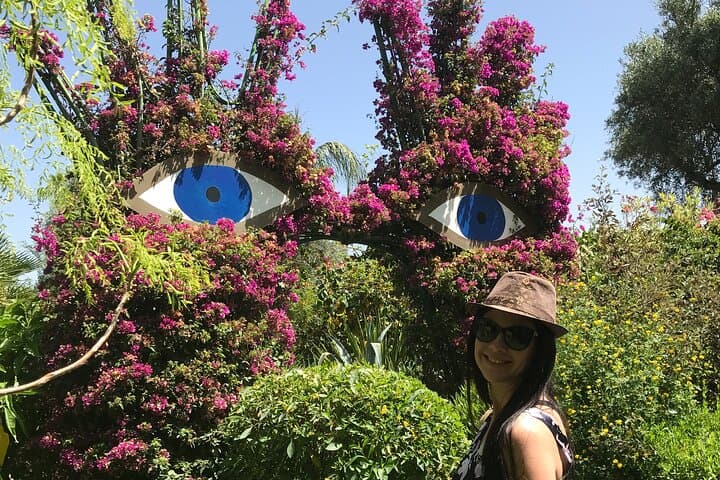
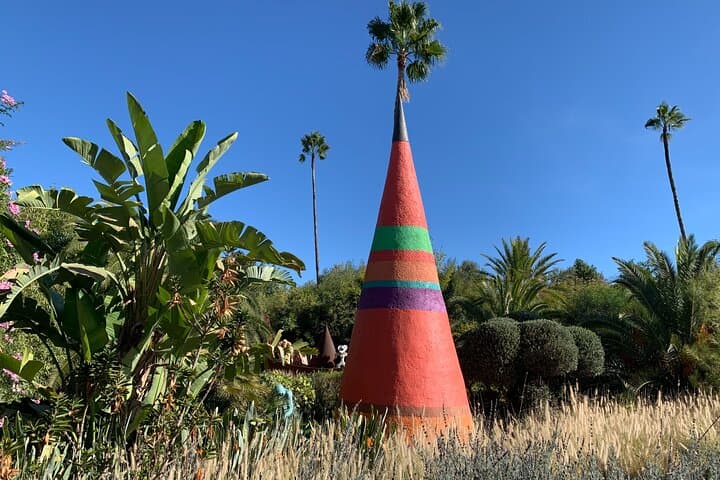
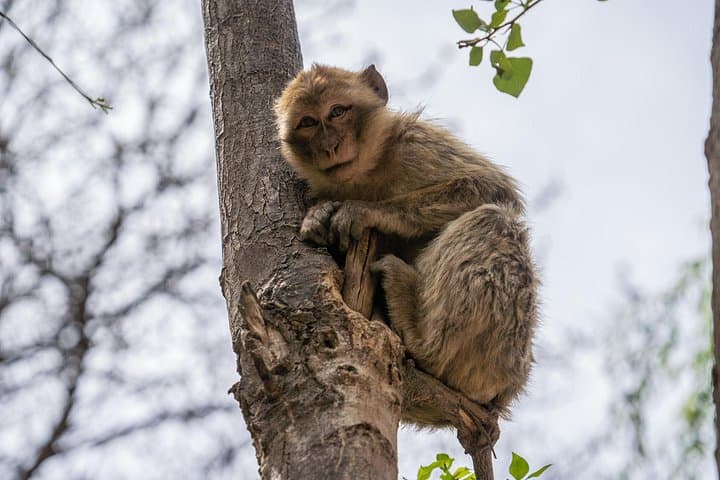
Expect a mix of short walks to viewpoints and to the same waterfalls that have drawn travelers for generations; watch for Barbary macaques in scrub and raptors riding the thermals overhead. Cultural stops range from a nomadic market and sculpture park to hands-on activities—henna, bread-baking, argan pressing and pottery.
Practical edge: dress in layers, bring sturdy shoes for uneven paths and a refillable water bottle, and carry small change for local stalls. Start early in summer to avoid midday heat; in winter, snow at higher elevations can make some paths slippery. Respect private homes, ask before photographing people, and avoid feeding wildlife. An organized day trip bundles transport and a guide, letting you move between river walks, village visits and craft demonstrations without logistics stealing from the experience.
easy.
8 hours.
Light walking on uneven terrain; suitable for most fitness levels but be prepared for short stair-like climbs.
The valley is roughly a 30–60 minute drive depending on traffic and exact drop-off; expect a full-day outing if you include multiple stops.
No—reaching the main cascades involves short, steep sections and stone steps; proper shoes make the route comfortable for most visitors.
You may spot Barbary macaques near the waterfalls—observe from a distance, do not feed them, and secure food and bags to avoid close encounters.
Many parts are family-friendly and listed as stroller-accessible, but waterfall trails and some village lanes are uneven; a baby carrier is better for steeper sections.
The Ourika Valley is long-inhabited by Amazigh (Berber) communities whose irrigation methods, argan processing and pottery techniques persist alongside more recent tourism enterprises.
Tourism pressures can strain water use and waste management; support local cooperatives, avoid single-use plastics, and follow guide instructions to minimize impact.
Snurk.Travel operates guided outdoor trips and adventures with an emphasis on safety, stewardship, and memorable experiences.
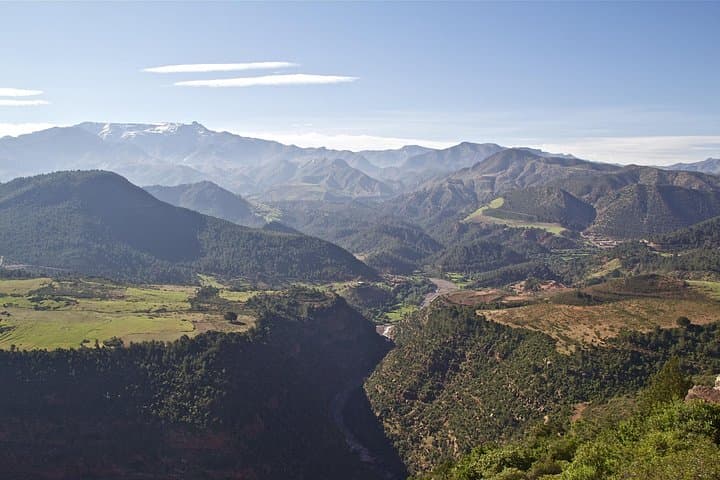
You leave Marrakech's ochre walls and within thirty minutes the air changes: cedar-scented gusts, a river that dares you to follow it upstream, and villages clinging to steep terraces like stories stuck to a mountain page. The Ourika Valley opens as a living landscape—snow on the High Atlas ridges above, apple orchards and argan trees lower down, and a rushing cascade that marks the turn from road to footpath.
You leave Marrakech's ochre walls and within thirty minutes the air changes: cedar-scented gusts, a river that dares you to follow it upstream, and villages clinging to steep terraces like stories stuck to a mountain page. The Ourika Valley opens as a living landscape—snow on the High Atlas ridges above, apple orchards and argan trees lower down, and a rushing cascade that marks the turn from road to footpath.
This valley is long-held Amazigh land: a living culture with its own language, crafts and seasonal rhythms. Mud-brick houses and centuries-old watermills trace traditional irrigation and grain practices, while local potters still shape jugs on wheel-thrown clay by the river. Geologically, Ourika is cut by the Atlas range—steep schist slopes and alluvial terraces create narrow corridors where waterfalls concentrate and microclimates support varied flora in a small area.
Expect a mix of short walks to viewpoints and to the same waterfalls that have drawn travelers for generations; watch for Barbary macaques in scrub and raptors riding the thermals overhead. Cultural stops range from a nomadic market and sculpture park to hands-on activities—henna, bread-baking, argan pressing and pottery.
Practical edge: dress in layers, bring sturdy shoes for uneven paths and a refillable water bottle, and carry small change for local stalls. Start early in summer to avoid midday heat; in winter, snow at higher elevations can make some paths slippery. Respect private homes, ask before photographing people, and avoid feeding wildlife. An organized day trip bundles transport and a guide, letting you move between river walks, village visits and craft demonstrations without logistics stealing from the experience.