THE ADVENTURE COLLECTIVE® · Independent discovery and booking for outdoor travel

Escape Marrakech for a day along the Ourika River to hike to Setti Fatma’s waterfalls, eat beside running water, and explore Berber villages in the High Atlas foothills. This full-day trip balances easy trekking with cultural stops and river-side relaxation.
Escape Marrakech for a day along the Ourika River to hike to Setti Fatma’s waterfalls, eat beside running water, and explore Berber villages in the High Atlas foothills. This full-day trip balances easy trekking with cultural stops and river-side relaxation.
You leave Marrakech’s heat and medina noise behind, the city’s tile and traffic falling away as the road climbs into the High Atlas foothills. The Ourika River appears like a silver thread through stepped fields; palms and olive groves edge the lane while Berber villages cling to lower slopes. By midmorning the air feels cooler and the valley opens—rock faces leaning over the river, clear pools daring you to dip in.
Verified experiences and guided adventures in the surrounding area.
Operated by ARCENCIELTOUR · Ourika Valley (Setti Fatma), Marrakech-Safi
You leave Marrakech’s heat and medina noise behind, the city’s tile and traffic falling away as the road climbs into the High Atlas foothills. The Ourika River appears like a silver thread through stepped fields; palms and olive groves edge the lane while Berber villages cling to lower slopes. By midmorning the air feels cooler and the valley opens—rock faces leaning over the river, clear pools daring you to dip in.
Geology here is honest: folded schist and limestone folded millions of years ago, worn into terraces and gullies that direct mountain runoff into the Ourika’s channels. The valley has long been a seasonal farming corridor for Berber communities; you'll pass small argan presses and houses built with local stone, and guides will usually point out how traditional life still follows the river’s schedule.
The itinerary typically includes a guided hike to the Setti Fatma waterfalls, time for a riverside lunch—tagine or couscous—and a chance to swim in cooler pools. Expect uneven stone trails with short steep sections; the climb to the upper cascades is rewarding but can be slippery after rain.
Practical guidance: start early from Marrakech to avoid afternoon heat and tourist crowds, wear sturdy shoes with traction, bring sun protection and a light layer for shade-to-sun transitions. Carry water and cash for small village shops or a lunch upgrade. Respect local customs: modest swimwear and ask before photographing residents. By late afternoon you’ll descend back toward Marrakech with valley light softening the mountains—an easily accessible slice of Atlas country that feels far from the city in its pace and landscape.
moderate.
8–9 hours.
Suitable for travelers in light to moderate fitness; short steep sections require stable footing and basic stamina.
The hike to the main cascades is typically 30–60 minutes each way depending on pace and chosen viewpoint; steeper optional trails extend beyond the main falls.
Yes—many sections are family-friendly. Some uphill and slippery stretches may be challenging; private transfers and flexible pacing make it accessible for most ages.
Yes, there are shallow pools suitable for swimming; water is cooler than Marrakech so test temperature first and use modest swimwear.
Lunch at a riverside restaurant is commonly included on organized day trips, typically offering local dishes like tagine or couscous; confirm when booking.
The Ourika Valley has long been a seasonal agricultural route for Berber communities connecting mountain pastures to Marrakech; historic terraces trace centuries of local land use.
Tourism impacts are concentrated around the main waterfalls—stick to trails, avoid littering, and support local vendors to help ensure economic benefits stay in the valley.
ARCENCIELTOUR operates guided outdoor trips and adventures with an emphasis on safety, stewardship, and memorable experiences.
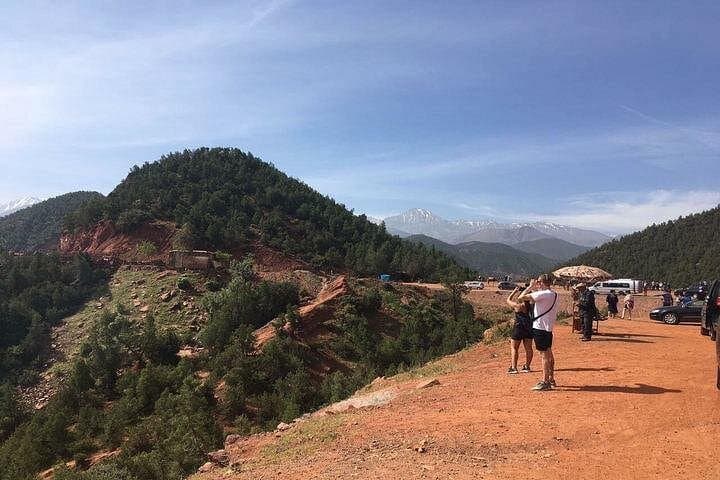
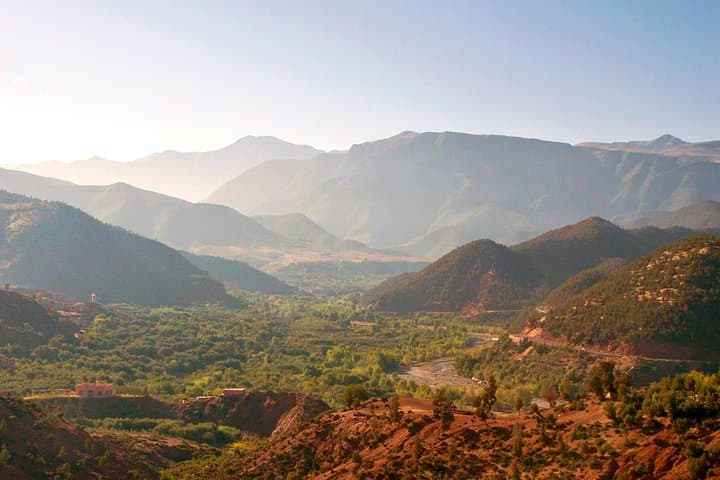
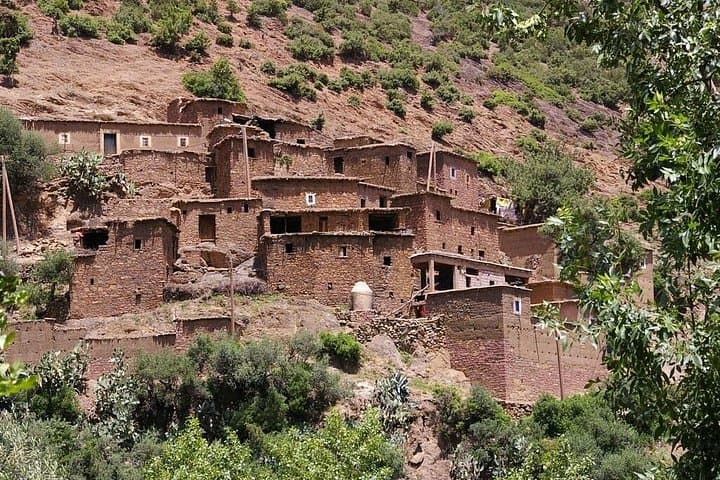
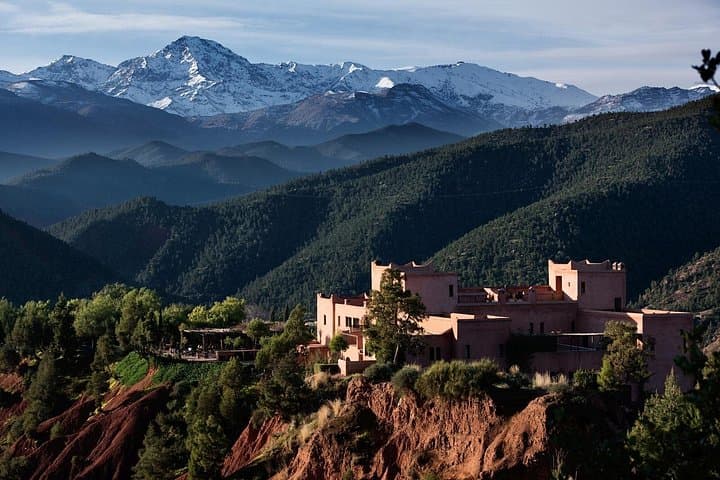
You leave Marrakech’s heat and medina noise behind, the city’s tile and traffic falling away as the road climbs into the High Atlas foothills. The Ourika River appears like a silver thread through stepped fields; palms and olive groves edge the lane while Berber villages cling to lower slopes. By midmorning the air feels cooler and the valley opens—rock faces leaning over the river, clear pools daring you to dip in.
You leave Marrakech’s heat and medina noise behind, the city’s tile and traffic falling away as the road climbs into the High Atlas foothills. The Ourika River appears like a silver thread through stepped fields; palms and olive groves edge the lane while Berber villages cling to lower slopes. By midmorning the air feels cooler and the valley opens—rock faces leaning over the river, clear pools daring you to dip in.
Geology here is honest: folded schist and limestone folded millions of years ago, worn into terraces and gullies that direct mountain runoff into the Ourika’s channels. The valley has long been a seasonal farming corridor for Berber communities; you'll pass small argan presses and houses built with local stone, and guides will usually point out how traditional life still follows the river’s schedule.
The itinerary typically includes a guided hike to the Setti Fatma waterfalls, time for a riverside lunch—tagine or couscous—and a chance to swim in cooler pools. Expect uneven stone trails with short steep sections; the climb to the upper cascades is rewarding but can be slippery after rain.
Practical guidance: start early from Marrakech to avoid afternoon heat and tourist crowds, wear sturdy shoes with traction, bring sun protection and a light layer for shade-to-sun transitions. Carry water and cash for small village shops or a lunch upgrade. Respect local customs: modest swimwear and ask before photographing residents. By late afternoon you’ll descend back toward Marrakech with valley light softening the mountains—an easily accessible slice of Atlas country that feels far from the city in its pace and landscape.