THE ADVENTURE COLLECTIVE® · Independent discovery and booking for outdoor travel

Escape Marrakech for a 4–6 hour journey into the High Atlas: visit a Berber house for tea, see women’s argan cooperatives and hike to the first of Setti Fatma’s famous waterfalls. Practical, culturally rich, and accessible for most travelers.
Escape Marrakech for a 4–6 hour journey into the High Atlas: visit a Berber house for tea, see women’s argan cooperatives and hike to the first of Setti Fatma’s famous waterfalls. Practical, culturally rich, and accessible for most travelers.
You leave Marrakech behind just after dawn, the city’s ochre blocks shrinking as the road climbs into the High Atlas. Air grows cooler; olive terraces and argan-studded hills run like brushstrokes across the slopes. By midmorning you’re stopping at a Berber house where mint tea is poured and a simple breakfast of bread, honey and olive oil is laid out on a low table — an intimate primer on daily life in the valleys.
Verified experiences and guided adventures in the surrounding area.
Operated by Marrakech Outdoor · Setti Fatma, Marrakesh-Safi
You leave Marrakech behind just after dawn, the city’s ochre blocks shrinking as the road climbs into the High Atlas. Air grows cooler; olive terraces and argan-studded hills run like brushstrokes across the slopes. By midmorning you’re stopping at a Berber house where mint tea is poured and a simple breakfast of bread, honey and olive oil is laid out on a low table — an intimate primer on daily life in the valleys.
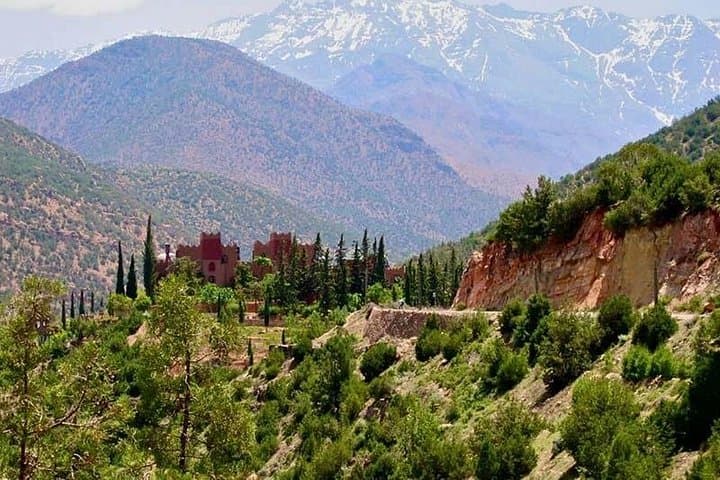
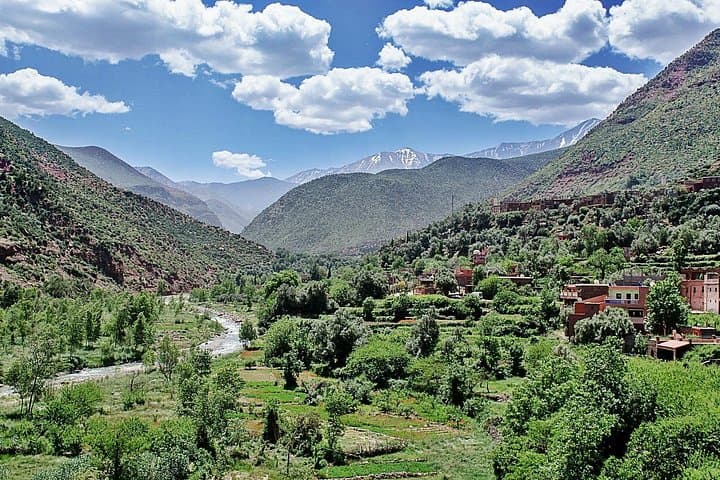
Geology here is blunt and visible: folded sedimentary strata pushed up by North Africa’s collision with Eurasia, cut into green bowls by streams that gather into the Ourika River. Argan trees — endemic and resilient — dominate lower slopes; women’s cooperatives use traditional pressing and roasting methods you can watch and buy from. Further up, Setti Fatma’s cliffs give way to a cluster of waterfalls; a local guide leads a short, steep scramble to the first cascade where the river dares you closer with spray and a bright pool.
Practical guidance: the full loop is 4–6 hours with hotel pickup in Marrakech and returns by late afternoon. Expect short uphill sections on dirt tracks and stone steps; basic hiking shoes and a daypack will cover most needs. Bring water, sunscreen and small change for cooperative stalls and shepherd‑run teas. Arrival time affects crowds — earlier visits mean quieter paths and cooler air. Photography works best in the softer morning or late-afternoon light, and the valley’s cultural pieces (house visit, argan demo) reward a respectful, hands‑on curiosity.
easy.
4–6 hours.
Suitable for travelers in basic fitness — able to walk 1–3 miles with some short uphill sections and uneven terrain.
Yes — pickup and drop-off in Marrakech are included; confirm your pickup time and location at booking.
The main walk to the first waterfall is short but involves uneven stone steps and some steep sections; it's rated easy for most visitors.
Yes — cooperatives sell culinary and cosmetic argan oil; expect to be offered samples and small purchases.
Vegetarian options are available if requested at booking; the lunch offers a variety of Moroccan dishes suitable for many diets.
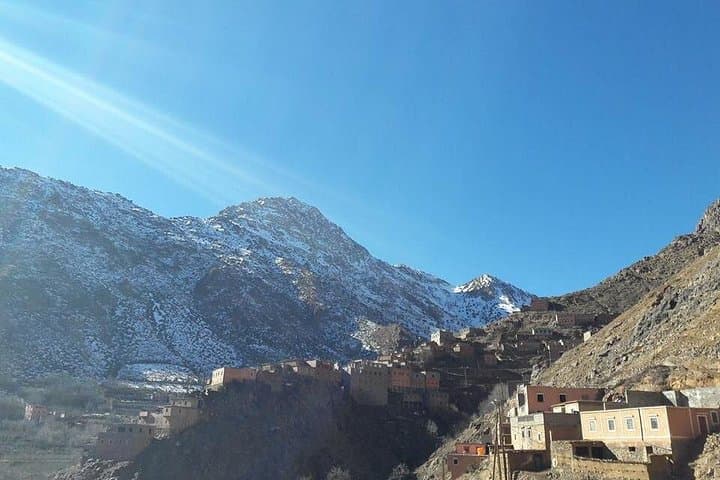
The Ourika valley has been a seasonal agricultural corridor for Berber communities for centuries; terraced farming and stone houses reflect long-standing mountain livelihoods.
Argan stands are protected in many places and local cooperatives support sustainable harvesting; visitors should avoid trampling terraces and minimize plastic waste.
Marrakech Outdoor operates guided outdoor trips and adventures with an emphasis on safety, stewardship, and memorable experiences.
You leave Marrakech behind just after dawn, the city’s ochre blocks shrinking as the road climbs into the High Atlas. Air grows cooler; olive terraces and argan-studded hills run like brushstrokes across the slopes. By midmorning you’re stopping at a Berber house where mint tea is poured and a simple breakfast of bread, honey and olive oil is laid out on a low table — an intimate primer on daily life in the valleys.
You leave Marrakech behind just after dawn, the city’s ochre blocks shrinking as the road climbs into the High Atlas. Air grows cooler; olive terraces and argan-studded hills run like brushstrokes across the slopes. By midmorning you’re stopping at a Berber house where mint tea is poured and a simple breakfast of bread, honey and olive oil is laid out on a low table — an intimate primer on daily life in the valleys.
Geology here is blunt and visible: folded sedimentary strata pushed up by North Africa’s collision with Eurasia, cut into green bowls by streams that gather into the Ourika River. Argan trees — endemic and resilient — dominate lower slopes; women’s cooperatives use traditional pressing and roasting methods you can watch and buy from. Further up, Setti Fatma’s cliffs give way to a cluster of waterfalls; a local guide leads a short, steep scramble to the first cascade where the river dares you closer with spray and a bright pool.
Practical guidance: the full loop is 4–6 hours with hotel pickup in Marrakech and returns by late afternoon. Expect short uphill sections on dirt tracks and stone steps; basic hiking shoes and a daypack will cover most needs. Bring water, sunscreen and small change for cooperative stalls and shepherd‑run teas. Arrival time affects crowds — earlier visits mean quieter paths and cooler air. Photography works best in the softer morning or late-afternoon light, and the valley’s cultural pieces (house visit, argan demo) reward a respectful, hands‑on curiosity.