THE ADVENTURE COLLECTIVE® · Independent discovery and booking for outdoor travel

A short drive from Marrakech, the Ourika Valley offers accessible High Atlas walking, waterfalls and visits to Amazigh villages. This full-day trip combines easy hiking, cultural stops and dramatic river-carved scenery.
A short drive from Marrakech, the Ourika Valley offers accessible High Atlas walking, waterfalls and visits to Amazigh villages. This full-day trip combines easy hiking, cultural stops and dramatic river-carved scenery.
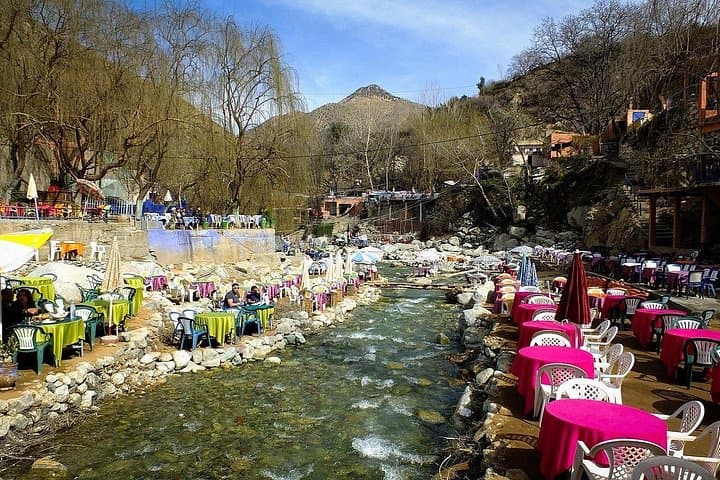
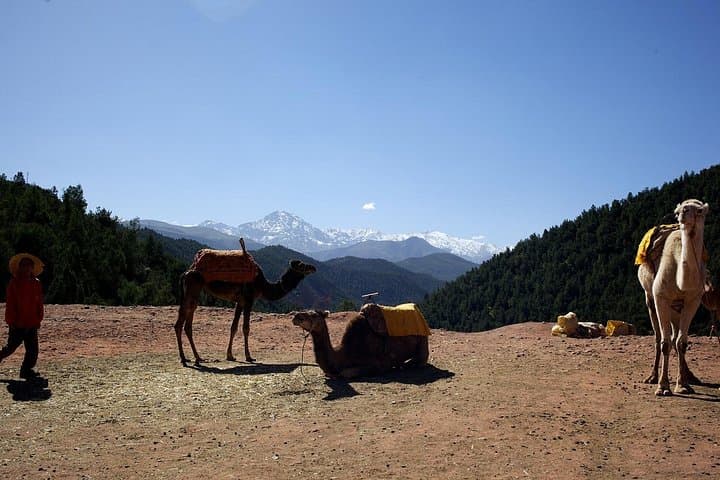
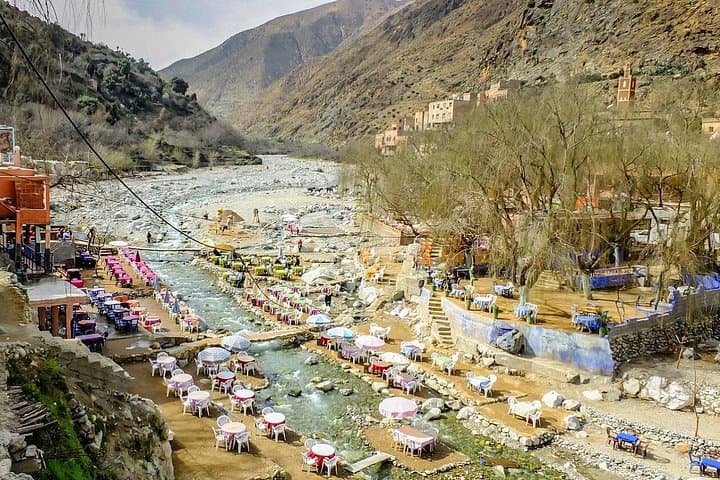
You leave Marrakech before dawn and the city’s heat thins behind you as the road rises into the southern foothills of the High Atlas. By the time you step out at Setti Fatma, cool air and cedar-scented pines meet you; the river ahead dares you to follow it upriver. The walk to the notable waterfalls is framed by terraces and small farms, with the valley’s stone houses clinging low on the slopes like careful keepers of a long human presence.
Verified experiences and guided adventures in the surrounding area.
Operated by Traces Berbres Voyages · Setti Fatma, Marrakesh-Safi
You leave Marrakech before dawn and the city’s heat thins behind you as the road rises into the southern foothills of the High Atlas. By the time you step out at Setti Fatma, cool air and cedar-scented pines meet you; the river ahead dares you to follow it upriver. The walk to the notable waterfalls is framed by terraces and small farms, with the valley’s stone houses clinging low on the slopes like careful keepers of a long human presence.
Geologically the Ourika Valley cuts into ancient schist and sandstone of the High Atlas; seasonal runoff carves the narrow gorge and feeds cascades that swell in spring. Culturally the valley is home to Amazigh (Berber) communities—families who still run small gardens and host visitors for mint tea; some open their homes to share a meal or offer handicrafts. The rare Barbary macaque is part of the valley’s living fabric, visible in the higher forested benches.
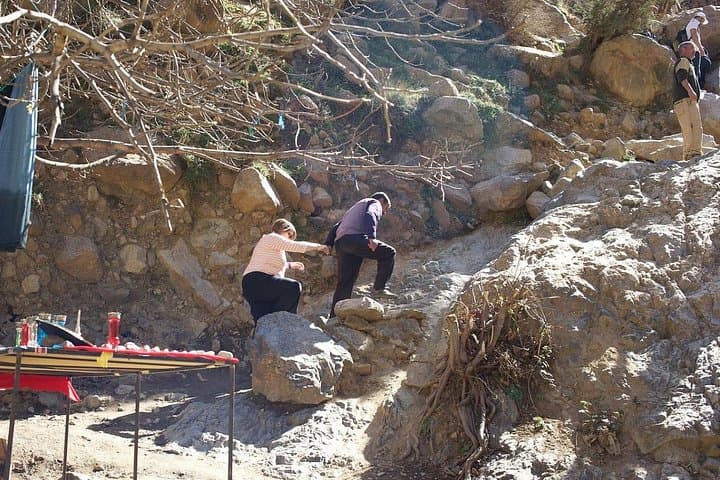
Practically, this full-day excursion is a mix of a 45–60 minute drive from Marrakech, and 1–3 hours of walking on uneven, often rocky trails with roughly 200–400 m of accumulated elevation gain depending on how far you push past the main falls. Expect loose stones, river crossings on stepping-stones in spring, and sun on exposed ridge sections in summer. Bring layered clothing, treat water as limited once you leave Setti Fatma, and leave space in your day for slow stops—tea with a village family or a camera-ready cascade. The trip suits hikers comfortable on uneven ground and anyone wanting a compact, accessible High Atlas experience without summit-grade commitment.
moderate.
8 hours.
Participants should have moderate fitness—able to walk 2–6 miles on uneven terrain and handle short uphill sections.
Expect about 45–60 minutes each way depending on traffic and your pickup location in Marrakech.
Yes—families join this excursion; trails near the main falls are short, but supervision is needed on slippery sections.
Possibly—Barbary macaques live in the region, especially in higher forest patches, but sightings are not guaranteed.
All fees and taxes are included, but tea and meals in private homes are usually a separate small expense paid locally.
The Ourika Valley has long been inhabited by Amazigh (Berber) communities who farm terraced plots and trade goods with Marrakech; Setti Fatma is the valley’s traditional gateway for pilgrims and traders.
Tourism brings income but also pressure—avoid feeding wildlife, stay on marked paths, and take rubbish out with you to help preserve fragile river habitats.
Traces Berbres Voyages operates guided outdoor trips and adventures with an emphasis on safety, stewardship, and memorable experiences.
You leave Marrakech before dawn and the city’s heat thins behind you as the road rises into the southern foothills of the High Atlas. By the time you step out at Setti Fatma, cool air and cedar-scented pines meet you; the river ahead dares you to follow it upriver. The walk to the notable waterfalls is framed by terraces and small farms, with the valley’s stone houses clinging low on the slopes like careful keepers of a long human presence.
You leave Marrakech before dawn and the city’s heat thins behind you as the road rises into the southern foothills of the High Atlas. By the time you step out at Setti Fatma, cool air and cedar-scented pines meet you; the river ahead dares you to follow it upriver. The walk to the notable waterfalls is framed by terraces and small farms, with the valley’s stone houses clinging low on the slopes like careful keepers of a long human presence.
Geologically the Ourika Valley cuts into ancient schist and sandstone of the High Atlas; seasonal runoff carves the narrow gorge and feeds cascades that swell in spring. Culturally the valley is home to Amazigh (Berber) communities—families who still run small gardens and host visitors for mint tea; some open their homes to share a meal or offer handicrafts. The rare Barbary macaque is part of the valley’s living fabric, visible in the higher forested benches.
Practically, this full-day excursion is a mix of a 45–60 minute drive from Marrakech, and 1–3 hours of walking on uneven, often rocky trails with roughly 200–400 m of accumulated elevation gain depending on how far you push past the main falls. Expect loose stones, river crossings on stepping-stones in spring, and sun on exposed ridge sections in summer. Bring layered clothing, treat water as limited once you leave Setti Fatma, and leave space in your day for slow stops—tea with a village family or a camera-ready cascade. The trip suits hikers comfortable on uneven ground and anyone wanting a compact, accessible High Atlas experience without summit-grade commitment.