THE ADVENTURE COLLECTIVE® · Independent discovery and booking for outdoor travel

Escape Marrakech for a full-day into the Ourika Valley where cool river water, Setti Fatma waterfalls, and Amazigh village life make for a calm, scenic outing. Expect a mix of cultural stops and a few hours of uneven but accessible hiking to see the best cascades.
Escape Marrakech for a full-day into the Ourika Valley where cool river water, Setti Fatma waterfalls, and Amazigh village life make for a calm, scenic outing. Expect a mix of cultural stops and a few hours of uneven but accessible hiking to see the best cascades.
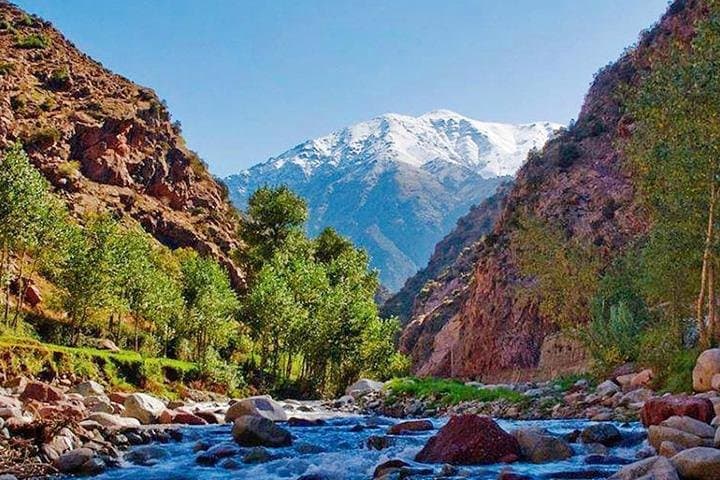
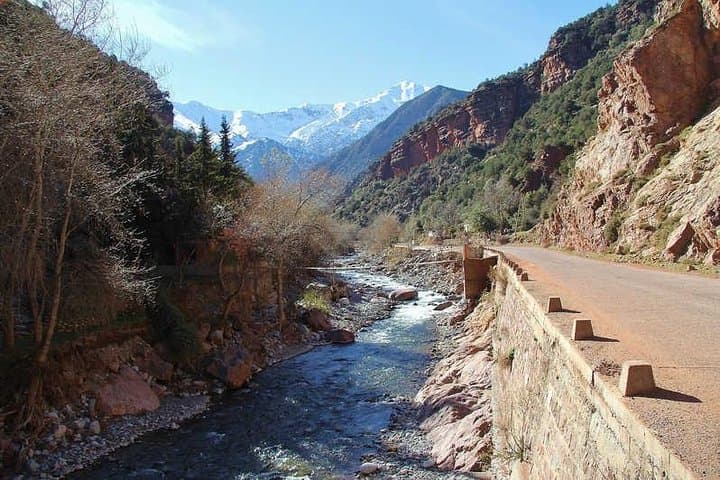
You arrive on a warm road that narrows into a valley where the Atlas foothills rise like folded pages. Olive terraces and flat-roofed stone houses slip past the vehicle window, and the river—bright and quick—calls you toward cooler air and the sound of falling water.
Verified experiences and guided adventures in the surrounding area.
Operated by Uncommon Morocco · Setti Fatma, Marrakech-Safi
You arrive on a warm road that narrows into a valley where the Atlas foothills rise like folded pages. Olive terraces and flat-roofed stone houses slip past the vehicle window, and the river—bright and quick—calls you toward cooler air and the sound of falling water.
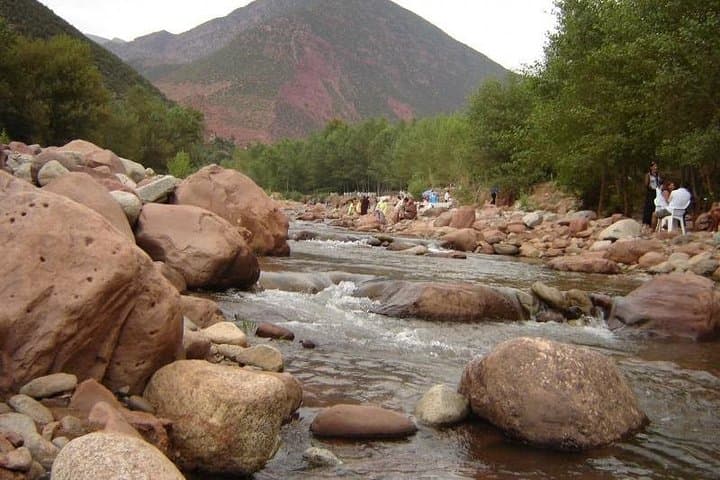
This full-day outing centers on Setti Fatma and the Ourika Valley, a long-inhabited Berber corridor south of Marrakech. Geologically the valley cuts through weathered schist and igneous intrusions from the High Atlas, creating rocky stream channels and a string of small waterfalls fed by mountain snowmelt. Culturally, the valley remains rooted in Amazigh (Berber) traditions—you’ll pass terraced fields and see local markets and artisans keeping craft and foodways alive.
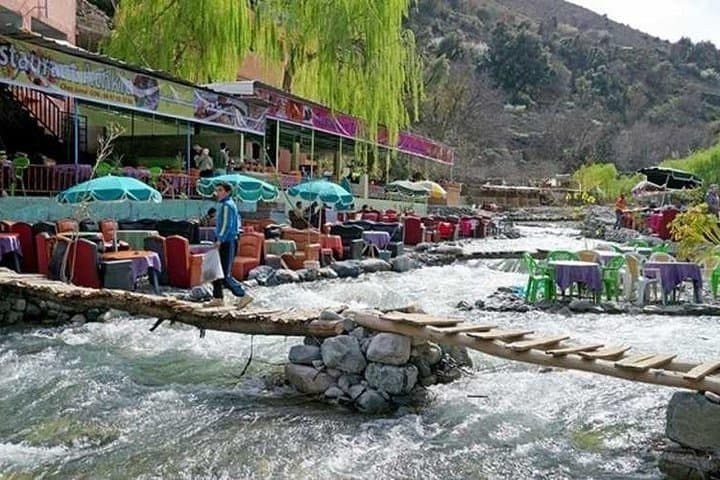
The tour typically includes a guided walk to several waterfalls (two to four hours of walking spread across stops) and time in village markets or riverside cafés. Expect uneven, rocky trails with short, steep sections; river crossings are shallow in summer but higher in spring. The day is sensory: cold splashes on hands, the citrus scent of planted gardens, and views of the High Atlas ridgeline on the horizon.
Practical guidance: start early to avoid midday heat and crowds, wear sturdy shoes, bring refillable water, and carry small local currency for entrance donations and crafts. If you want photos of the falls, aim for late afternoon light when contrasts soften. This is a manageable, scenic day trip that balances easy cultural stops with a rewarding short hike into mountain water and village life.
moderate.
7–9 hours.
Suitable for travelers with light to moderate fitness; involves several hours of walking over uneven terrain and short elevation changes.
The valley is about 30–40 km south of Marrakech; travel time is typically 45–75 minutes depending on traffic and the exact pickup location.
Sections are uneven and include short steep parts but overall it’s moderate; families and most travelers with basic mobility can complete the main waterfalls walk.
Lunch is usually not included; tours commonly stop at a riverside café or village restaurant where you can purchase a meal or bring your own picnic.
Basic facilities are available in village areas and at some cafés, but expect limited or rustic options near the trails and falls.
The valley has long been a seasonally inhabited corridor for Amazigh (Berber) communities, with terraces and irrigation systems reflecting centuries of mountain agriculture.
Visitors should stick to marked trails, avoid leaving waste, and respect local water sources; seasonal foot traffic can stress fragile riparian vegetation.
Uncommon Morocco operates guided outdoor trips and adventures with an emphasis on safety, stewardship, and memorable experiences.
You arrive on a warm road that narrows into a valley where the Atlas foothills rise like folded pages. Olive terraces and flat-roofed stone houses slip past the vehicle window, and the river—bright and quick—calls you toward cooler air and the sound of falling water.
You arrive on a warm road that narrows into a valley where the Atlas foothills rise like folded pages. Olive terraces and flat-roofed stone houses slip past the vehicle window, and the river—bright and quick—calls you toward cooler air and the sound of falling water.
This full-day outing centers on Setti Fatma and the Ourika Valley, a long-inhabited Berber corridor south of Marrakech. Geologically the valley cuts through weathered schist and igneous intrusions from the High Atlas, creating rocky stream channels and a string of small waterfalls fed by mountain snowmelt. Culturally, the valley remains rooted in Amazigh (Berber) traditions—you’ll pass terraced fields and see local markets and artisans keeping craft and foodways alive.
The tour typically includes a guided walk to several waterfalls (two to four hours of walking spread across stops) and time in village markets or riverside cafés. Expect uneven, rocky trails with short, steep sections; river crossings are shallow in summer but higher in spring. The day is sensory: cold splashes on hands, the citrus scent of planted gardens, and views of the High Atlas ridgeline on the horizon.
Practical guidance: start early to avoid midday heat and crowds, wear sturdy shoes, bring refillable water, and carry small local currency for entrance donations and crafts. If you want photos of the falls, aim for late afternoon light when contrasts soften. This is a manageable, scenic day trip that balances easy cultural stops with a rewarding short hike into mountain water and village life.