THE ADVENTURE COLLECTIVE® · Independent discovery and booking for outdoor travel

Escape Marrakech for a six‑hour journey into the High Atlas where the Ourika River cuts deep gullies, Berber villages keep centuries‑old craft alive, and an optional hike leads to cool, misted falls. Learn about women‑led argan cooperatives and finish with a riverside tagine.
Escape Marrakech for a six‑hour journey into the High Atlas where the Ourika River cuts deep gullies, Berber villages keep centuries‑old craft alive, and an optional hike leads to cool, misted falls. Learn about women‑led argan cooperatives and finish with a riverside tagine.
You leave Marrakech through a ribbon of asphalt and, within an hour, the city’s bustle thins to birdsong and wind across olive terraces. The Ourika River threads the valley below, daring you to follow its cool voice toward stone villages and a cluster of falls above Setti Fatma.
Verified experiences and guided adventures in the surrounding area.
Operated by Vipmarrakechtrips · Setti Fatma (Ourika Valley), Marrakech-Safi
You leave Marrakech through a ribbon of asphalt and, within an hour, the city’s bustle thins to birdsong and wind across olive terraces. The Ourika River threads the valley below, daring you to follow its cool voice toward stone villages and a cluster of falls above Setti Fatma.
Geology here is blunt and honest: folded High Atlas limestone and red earth carved by seasonal torrents, with stepped terraces clinging to steep slopes. The valley has long been occupied by Berber communities; argan presses and dry-stone houses mark a culture that balances pastoral life with small-scale agriculture. At a women‑run cooperative you’ll watch argan kernels ground by hand and share a simple mountain breakfast—fresh bread, honey, mint tea—while learning how cooperative income supports local families.
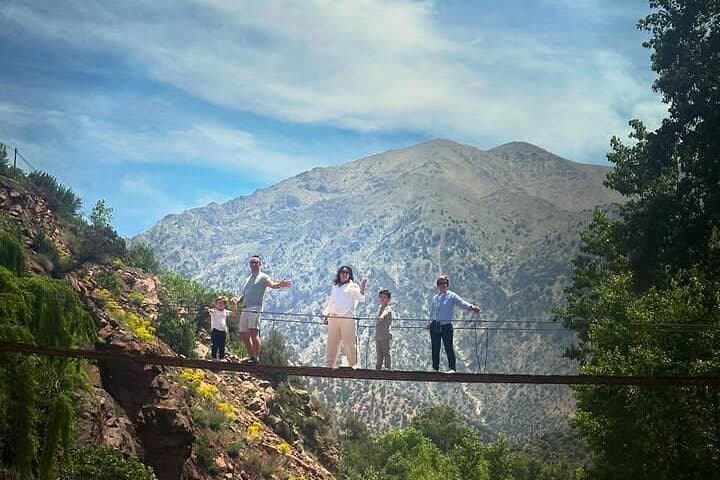
The optional hike to the upper waterfall is roughly 1–1.5 hours one-way over uneven trails and small bridges, rewarding hikers with spray, narrow viewpoints, and panoramic views of the Atlas ridgeline. Alternatively, the riverbank at Setti Fatma is an easy, restorative place to wait, shop crafts, or photograph village life.
Practical notes: tours usually include hotel pickup, an air‑conditioned vehicle, and a guided hike option; expect a full 6‑hour day. Wear sturdy shoes for the trails, bring sun protection and 1–2 liters of water, and budget cash for cooperative purchases and small craft stalls. Respect local customs—ask before photographing people—and plan for a mid‑afternoon return to Marrakech when light softens over the mountains.
moderate.
6 hours.
Suitable for most fitness levels; the optional 1–1.5 hour uphill hike requires steady legs and basic endurance.
Yes—most tour options include morning pickup and return to Marrakech; confirm your pickup point when booking.
The guided hike is moderate: roughly 1–1.5 hours one-way on uneven terrain with simple river crossings and short climbs.
A riverside lunch with tagine, couscous, kebabs and vegetarian options is included as described; bring cash for extra purchases at cooperatives.
Yes—the cooperative and Berber breakfast are accessible for most visitors, but the waterfall hike is not recommended for those with significant mobility limitations.
Berber (Amazigh) communities have farmed the Ourika Valley for centuries; argan oil production is a traditional craft now often organized through women’s cooperatives.
Sustainable tourism here focuses on small cooperative income and limiting trail erosion—stay on marked paths and avoid disturbing riverbanks to protect the fragile mountain ecology.
Vipmarrakechtrips operates guided outdoor trips and adventures with an emphasis on safety, stewardship, and memorable experiences.


You leave Marrakech through a ribbon of asphalt and, within an hour, the city’s bustle thins to birdsong and wind across olive terraces. The Ourika River threads the valley below, daring you to follow its cool voice toward stone villages and a cluster of falls above Setti Fatma.
You leave Marrakech through a ribbon of asphalt and, within an hour, the city’s bustle thins to birdsong and wind across olive terraces. The Ourika River threads the valley below, daring you to follow its cool voice toward stone villages and a cluster of falls above Setti Fatma.
Geology here is blunt and honest: folded High Atlas limestone and red earth carved by seasonal torrents, with stepped terraces clinging to steep slopes. The valley has long been occupied by Berber communities; argan presses and dry-stone houses mark a culture that balances pastoral life with small-scale agriculture. At a women‑run cooperative you’ll watch argan kernels ground by hand and share a simple mountain breakfast—fresh bread, honey, mint tea—while learning how cooperative income supports local families.
The optional hike to the upper waterfall is roughly 1–1.5 hours one-way over uneven trails and small bridges, rewarding hikers with spray, narrow viewpoints, and panoramic views of the Atlas ridgeline. Alternatively, the riverbank at Setti Fatma is an easy, restorative place to wait, shop crafts, or photograph village life.
Practical notes: tours usually include hotel pickup, an air‑conditioned vehicle, and a guided hike option; expect a full 6‑hour day. Wear sturdy shoes for the trails, bring sun protection and 1–2 liters of water, and budget cash for cooperative purchases and small craft stalls. Respect local customs—ask before photographing people—and plan for a mid‑afternoon return to Marrakech when light softens over the mountains.