THE ADVENTURE COLLECTIVE® · Independent discovery and booking for outdoor travel

Escape Marrakech for a day of river gorges, Setti Fatma waterfalls and visits to authentic Berber homes in the High Atlas. This practical day trip pairs gentle hikes with cultural encounters and local herbal knowledge.
Escape Marrakech for a day of river gorges, Setti Fatma waterfalls and visits to authentic Berber homes in the High Atlas. This practical day trip pairs gentle hikes with cultural encounters and local herbal knowledge.
You leave Marrakech’s bustle behind and the road climbs, the asphalt narrowing as the High Atlas gathers itself like a slow-moving storm. Olive terraces and ochre houses slide past the windows; the Ourika river below dares you closer with each bend.
Verified experiences and guided adventures in the surrounding area.
Operated by Awesome Morocco Tours · Marrakech, Marrakech-Safi
You leave Marrakech’s bustle behind and the road climbs, the asphalt narrowing as the High Atlas gathers itself like a slow-moving storm. Olive terraces and ochre houses slide past the windows; the Ourika river below dares you closer with each bend.
This valley has been shaped by volcanic uplift and seasonal torrents—steep, terraced slopes carved by centuries of runoff that concentrate into the Setti Fatma cascades. Amazigh (Berber) communities still follow lifeways that predate Morocco’s medieval states: stone homes, hand tools, and a living pharmacy of aromatic and medicinal plants cultivated for generations.
Culturally, the valley is direct and honest. Local guides will explain the role of river irrigation and the seasonal work calendar; visits to a Berber house and a plant apothecary reveal everyday practices rather than staged performances. Geologically the route offers views of layered sediment and alluvial fans where mountain streams slow into the plains.
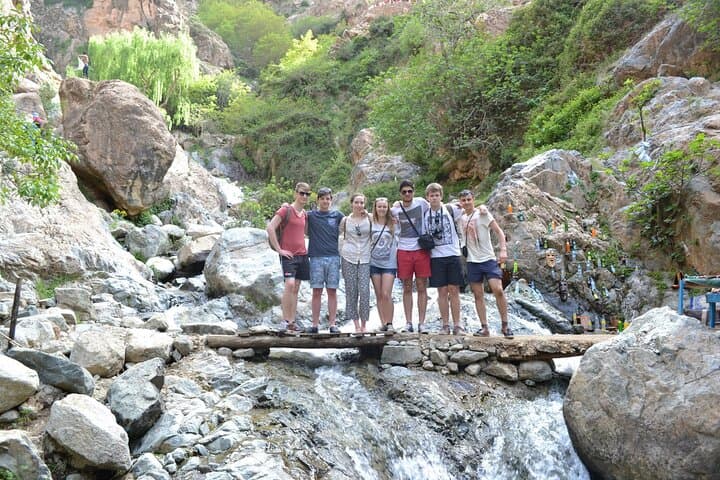
Practically, expect a full 7–8 hour day: a morning pickup in Marrakech, short village stops, a visit inside a Berber home, time with a herbalist, and a guided hike to the Seven Waterfalls (Setti Fatma) with a riverbank lunch. Trails are rocky and can be steep for short stretches; footwear with grip matters. Bring cash for small purchases, sunscreen, and a waterproof layer if rain is forecast. Aim to go in spring for full waterfalls or fall for cooler hikes—both reward you with fresh air, sharp views, and an unglamorous but authentic slice of Atlas life.
moderate.
7–8 hours.
Should have a moderate fitness level—able to walk on uneven trails and manage short steep sections after vehicle transfers.
Yes—shared tours collect from most central Marrakech hotels; pickup windows start in the morning and may take 30–45 minutes to coordinate.
Older children who can handle uneven terrain are fine; very young children may find stairs and slippery rocks difficult.
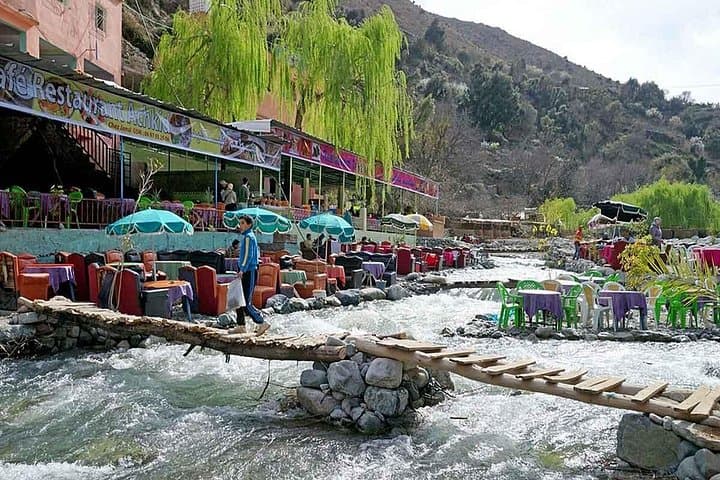
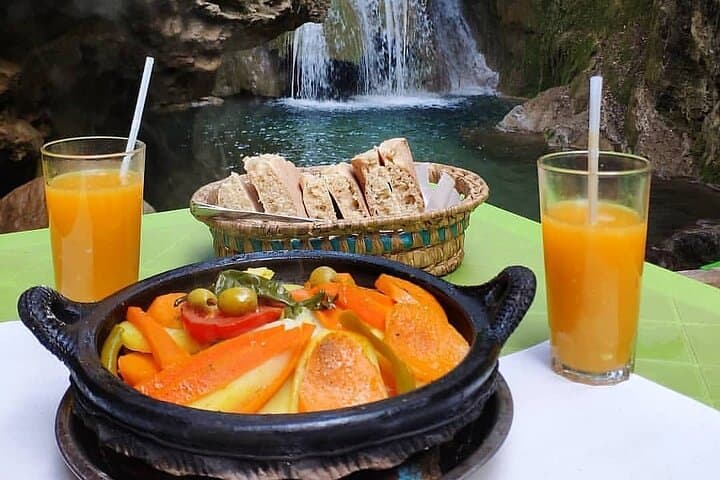
Lunch is typically arranged at a riverside restaurant but may not be included in the tour price—confirm with the operator beforehand.
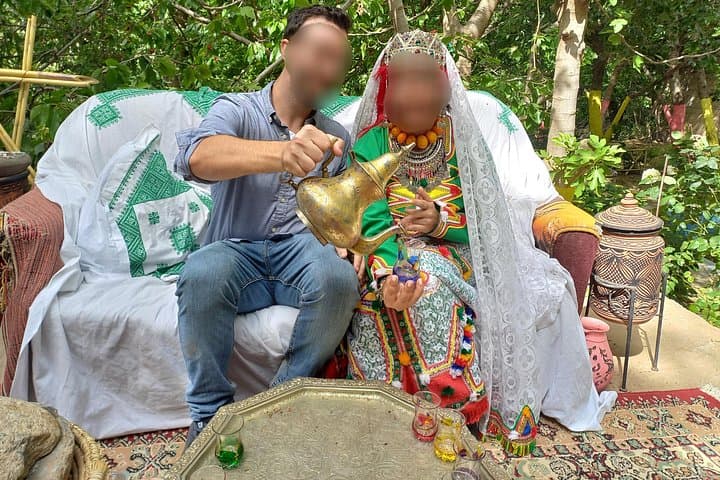
Visits to a Berber home and local dress experiences are offered, but always ask permission and be respectful of household rules.
The Ourika Valley has long been inhabited by Amazigh (Berber) communities; settlements and terrace agriculture reflect centuries-old mountain lifeways.
Water is a critical local resource—stay on trails, avoid single-use plastics, and support local guides and small vendors to help the valley's communities and ecosystems.
Awesome Morocco Tours operates guided outdoor trips and adventures with an emphasis on safety, stewardship, and memorable experiences.
You leave Marrakech’s bustle behind and the road climbs, the asphalt narrowing as the High Atlas gathers itself like a slow-moving storm. Olive terraces and ochre houses slide past the windows; the Ourika river below dares you closer with each bend.
You leave Marrakech’s bustle behind and the road climbs, the asphalt narrowing as the High Atlas gathers itself like a slow-moving storm. Olive terraces and ochre houses slide past the windows; the Ourika river below dares you closer with each bend.
This valley has been shaped by volcanic uplift and seasonal torrents—steep, terraced slopes carved by centuries of runoff that concentrate into the Setti Fatma cascades. Amazigh (Berber) communities still follow lifeways that predate Morocco’s medieval states: stone homes, hand tools, and a living pharmacy of aromatic and medicinal plants cultivated for generations.
Culturally, the valley is direct and honest. Local guides will explain the role of river irrigation and the seasonal work calendar; visits to a Berber house and a plant apothecary reveal everyday practices rather than staged performances. Geologically the route offers views of layered sediment and alluvial fans where mountain streams slow into the plains.
Practically, expect a full 7–8 hour day: a morning pickup in Marrakech, short village stops, a visit inside a Berber home, time with a herbalist, and a guided hike to the Seven Waterfalls (Setti Fatma) with a riverbank lunch. Trails are rocky and can be steep for short stretches; footwear with grip matters. Bring cash for small purchases, sunscreen, and a waterproof layer if rain is forecast. Aim to go in spring for full waterfalls or fall for cooler hikes—both reward you with fresh air, sharp views, and an unglamorous but authentic slice of Atlas life.