THE ADVENTURE COLLECTIVE® · Independent discovery and booking for outdoor travel

Escape Marrakech for a day and follow the Ourika River to Setti Fatma’s cascading falls, a landscape of olive groves, argan cooperatives, and stepped mountain trails. This full-day excursion blends cultural encounters with a scenic riverside hike suitable for most walkers.
Escape Marrakech for a day and follow the Ourika River to Setti Fatma’s cascading falls, a landscape of olive groves, argan cooperatives, and stepped mountain trails. This full-day excursion blends cultural encounters with a scenic riverside hike suitable for most walkers.
You leave Marrakech's ochre walls and highway hum behind as the road narrows into the foothills; the air sharpens, argan trees lean like weathered hands, and the Ourika River begins to dare you toward higher ground.
Verified experiences and guided adventures in the surrounding area.
Operated by Sahara Morocco Adventure · Setti Fatma, Marrakech-Safi
You leave Marrakech's ochre walls and highway hum behind as the road narrows into the foothills; the air sharpens, argan trees lean like weathered hands, and the Ourika River begins to dare you toward higher ground.
Setti Fatma sits at the end of a slow, scenic drive roughly 30–40 km south of Marrakech. The village is a practical base to explore the series of cascades that cut through volcanic rock and schist—locally known as the Seven Waterfalls—along a network of stepped trails and riverside paths. Berber families have farmed these terraces for generations, and the valley’s geology tells a story of erosion and uplift where seasonal flows carve channels through layered stone.
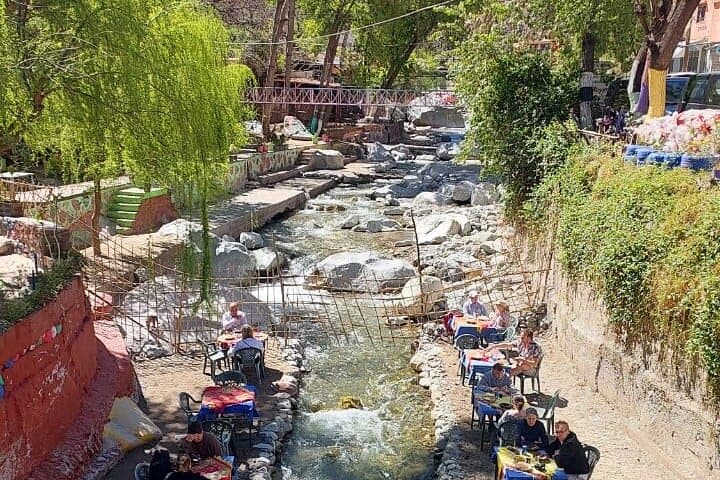
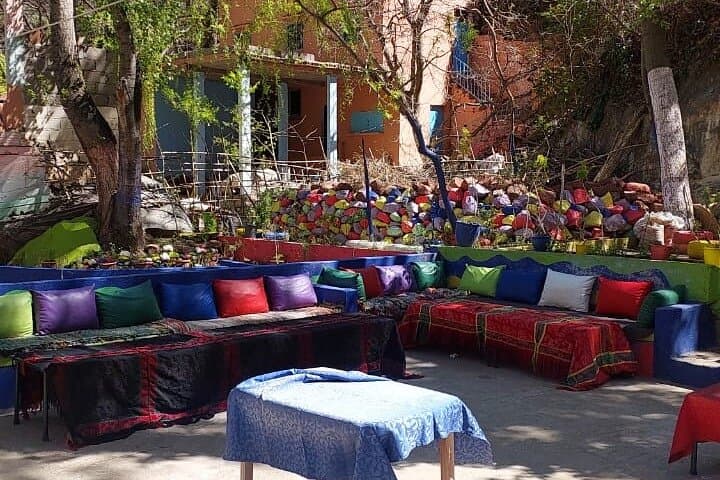
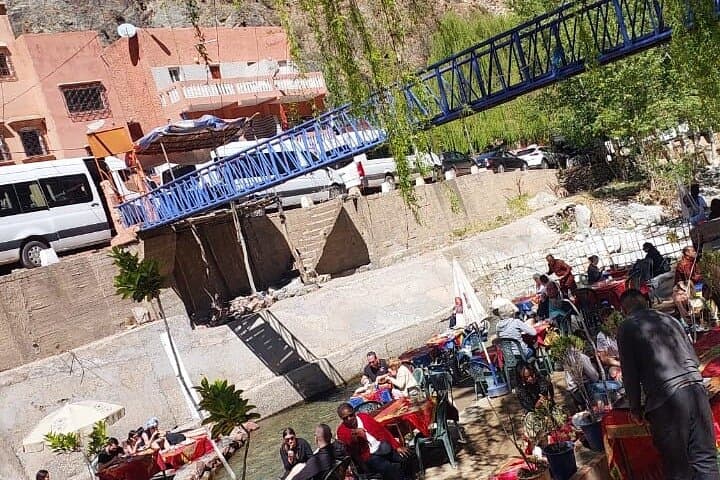
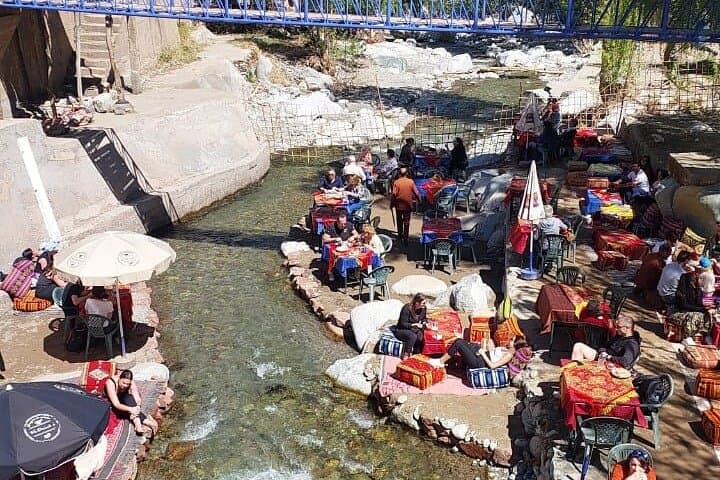
Culturally, visits often include an argan cooperative and a chance to meet local guides who share Berber hospitality and a late-Berber lunch with mountain views. The walk to the main falls is informal: expect uneven stone steps, occasional stream crossings, and viewpoints framed by olive groves and chestnut trees.
Practically, the full-day outing runs most of the daylight hours—allow 7–9 hours door-to-door from Marrakech, with 1–1.5 hours driving each way and 1–3 hours of walking depending how many cascades you chase. Footwear with grip, sun protection, and water are non-negotiable; trails can be slippery after rain and shade is patchy. Aim for an early start to avoid crowds and midday heat, and support local cooperatives to keep tourism beneficial for communities and the landscape.
moderate.
7–9 hours (door-to-door from Marrakech).
Suitable for walkers with basic fitness who can manage 2–4 miles on uneven terrain and short climbs.
The walking portions vary by route and pace—plan for 1–3 hours round-trip to visit several cascades and viewpoints.
Yes; trails are manageable for most ages but require steady footing—infants should be in carriers rather than strollers for the hikes.
Most full-day tours include round-trip transport from central Marrakech; confirm pickup point and timing when booking.
Basic cafés and small stalls in Setti Fatma sell snacks and drinks, but bring essentials to avoid limited options on the trail.
The Ourika Valley has long been home to Berber communities whose terraced agriculture and seasonal water management shaped the landscape and local customs.
Tourism supports local economies but can strain trails and water resources; stick to marked paths, avoid littering, and buy from local cooperatives to direct benefits to residents.
Sahara Morocco Adventure operates guided outdoor trips and adventures with an emphasis on safety, stewardship, and memorable experiences.
You leave Marrakech's ochre walls and highway hum behind as the road narrows into the foothills; the air sharpens, argan trees lean like weathered hands, and the Ourika River begins to dare you toward higher ground.
You leave Marrakech's ochre walls and highway hum behind as the road narrows into the foothills; the air sharpens, argan trees lean like weathered hands, and the Ourika River begins to dare you toward higher ground.
Setti Fatma sits at the end of a slow, scenic drive roughly 30–40 km south of Marrakech. The village is a practical base to explore the series of cascades that cut through volcanic rock and schist—locally known as the Seven Waterfalls—along a network of stepped trails and riverside paths. Berber families have farmed these terraces for generations, and the valley’s geology tells a story of erosion and uplift where seasonal flows carve channels through layered stone.
Culturally, visits often include an argan cooperative and a chance to meet local guides who share Berber hospitality and a late-Berber lunch with mountain views. The walk to the main falls is informal: expect uneven stone steps, occasional stream crossings, and viewpoints framed by olive groves and chestnut trees.
Practically, the full-day outing runs most of the daylight hours—allow 7–9 hours door-to-door from Marrakech, with 1–1.5 hours driving each way and 1–3 hours of walking depending how many cascades you chase. Footwear with grip, sun protection, and water are non-negotiable; trails can be slippery after rain and shade is patchy. Aim for an early start to avoid crowds and midday heat, and support local cooperatives to keep tourism beneficial for communities and the landscape.