THE ADVENTURE COLLECTIVE® · Independent discovery and booking for outdoor travel

Drive into the High Atlas for a full-day excursion to Setti Fatma’s cascading falls and traditional Berber villages. This accessible day trip from Marrakech mixes short hikes, a lively Monday market, and local culture alongside dramatic mountain scenery.
Drive into the High Atlas for a full-day excursion to Setti Fatma’s cascading falls and traditional Berber villages. This accessible day trip from Marrakech mixes short hikes, a lively Monday market, and local culture alongside dramatic mountain scenery.
You leave Marrakech behind as the city’s heat loosens its grip and the High Atlas climbs into view—terraced slopes and stony ridgelines dictating the road. The Ourika River calls from the valley floor; its riffles and cataracts dare you to step closer. Arriving in Setti Fatma, seven stepped waterfalls tumble through cedar and almond groves, and a narrow path threads the stream, each pool a slow mirror of the mountains.
Verified experiences and guided adventures in the surrounding area.
Operated by Marrakech Sweet Travel · Setti Fatma, Marrakech-Safi
You leave Marrakech behind as the city’s heat loosens its grip and the High Atlas climbs into view—terraced slopes and stony ridgelines dictating the road. The Ourika River calls from the valley floor; its riffles and cataracts dare you to step closer. Arriving in Setti Fatma, seven stepped waterfalls tumble through cedar and almond groves, and a narrow path threads the stream, each pool a slow mirror of the mountains.
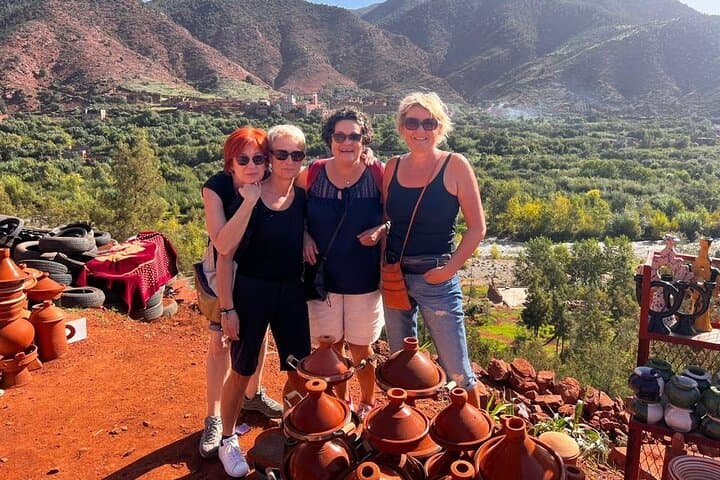
The valley carries a long human presence: Amazigh (Berber) families have farmed these slopes for generations, building red-mud dwellings that match the earth. Geologically the High Atlas rises from tectonic collision; limestone and schist expose cliffs and folded strata, feeding the streams that make Setti Fatma’s cascades. Culture here is tangible—argan cooperatives press oil the old way and Monday’s Tnin Ourika souk becomes a bright knot of traders and livestock.
Expect a mix of short hikes, village visits, and cultural stops. Trails range from easy riverside walks to steeper angled sections to reach upper falls; they can be slippery after rain. Plan for a 7–8 hour day, start early to avoid heat and crowds, and carry water and sun protection. Local guides translate customs, point out the best photo angles, and help negotiate the market. Wear grippy shoes; be prepared to walk on uneven rock and cross shallow streams.
The trip balances landscape and cultural exchange—ample for travelers wanting scenery, a slice of Atlas life, and a hands-on market experience without technical climbing or overnight logistics.
moderate.
7–8 hours.
Moderate fitness; able to walk 2–4 miles on uneven terrain and climb short steep sections.
The drive typically takes about 1–1.5 hours depending on traffic and exact pickup location, with scenic stops en route.
Yes—many families visit; however supervise children on slippery paths and river edges and avoid upper cascades if mobility is limited.
The Tnin Ourika market is largest and liveliest on Monday; there are smaller local markets other days but fewer vendors and livestock.
A local guide or organized tour simplifies logistics, offers cultural context, and can arrange visits to a Berber house and argan cooperative.
The Ourika Valley has long been inhabited by Amazigh (Berber) communities practicing terrace farming and pastoralism; settlements and trade routes here predate modern borders.
Tourism supports local cooperatives but increases pressure on water and footpaths—stick to trails and minimize single-use plastics to reduce impact.
Marrakech Sweet Travel operates guided outdoor trips and adventures with an emphasis on safety, stewardship, and memorable experiences.
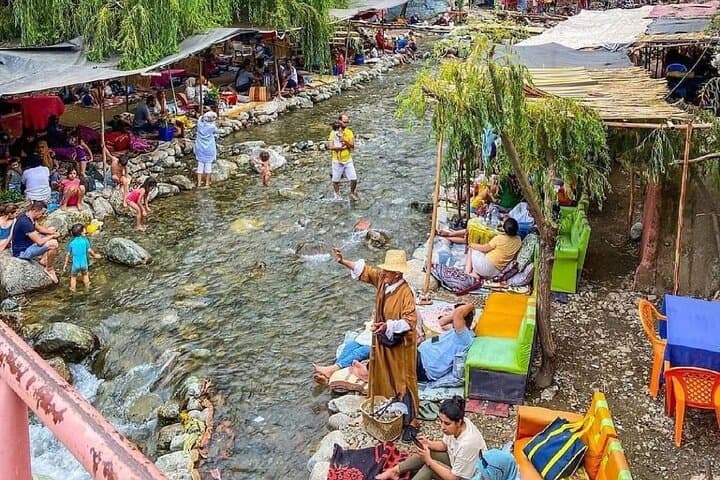
You leave Marrakech behind as the city’s heat loosens its grip and the High Atlas climbs into view—terraced slopes and stony ridgelines dictating the road. The Ourika River calls from the valley floor; its riffles and cataracts dare you to step closer. Arriving in Setti Fatma, seven stepped waterfalls tumble through cedar and almond groves, and a narrow path threads the stream, each pool a slow mirror of the mountains.
You leave Marrakech behind as the city’s heat loosens its grip and the High Atlas climbs into view—terraced slopes and stony ridgelines dictating the road. The Ourika River calls from the valley floor; its riffles and cataracts dare you to step closer. Arriving in Setti Fatma, seven stepped waterfalls tumble through cedar and almond groves, and a narrow path threads the stream, each pool a slow mirror of the mountains.
The valley carries a long human presence: Amazigh (Berber) families have farmed these slopes for generations, building red-mud dwellings that match the earth. Geologically the High Atlas rises from tectonic collision; limestone and schist expose cliffs and folded strata, feeding the streams that make Setti Fatma’s cascades. Culture here is tangible—argan cooperatives press oil the old way and Monday’s Tnin Ourika souk becomes a bright knot of traders and livestock.
Expect a mix of short hikes, village visits, and cultural stops. Trails range from easy riverside walks to steeper angled sections to reach upper falls; they can be slippery after rain. Plan for a 7–8 hour day, start early to avoid heat and crowds, and carry water and sun protection. Local guides translate customs, point out the best photo angles, and help negotiate the market. Wear grippy shoes; be prepared to walk on uneven rock and cross shallow streams.
The trip balances landscape and cultural exchange—ample for travelers wanting scenery, a slice of Atlas life, and a hands-on market experience without technical climbing or overnight logistics.