THE ADVENTURE COLLECTIVE® · Independent discovery and booking for outdoor travel

Follow the Ourika River from Marrakech into terraced valleys, clay villages and the waterfalls of Setti Fatma. This full-day trip mixes short hikes, a riverside lunch and visits to argan cooperatives and local souks.
Follow the Ourika River from Marrakech into terraced valleys, clay villages and the waterfalls of Setti Fatma. This full-day trip mixes short hikes, a riverside lunch and visits to argan cooperatives and local souks.
A dust-scented road falls away from Marrakech and the Anti-Atlas roofs flatten into green terraces; within an hour the Ourika River is audible before it’s visible — a narrow ribbon that dares you to follow it upstream. The day trip threads through clay-built Berber villages where children wave from muleback and women braid argan kernels in cooperative courtyards. High above, the Atlas folds into jagged ridgelines that define the valley’s geology: schist and sandstone carved into stepped fields and plunging gullies.
Verified experiences and guided adventures in the surrounding area.
Operated by Marrakech Tour Guide · Ourika, Marrakech-Safi
A dust-scented road falls away from Marrakech and the Anti-Atlas roofs flatten into green terraces; within an hour the Ourika River is audible before it’s visible — a narrow ribbon that dares you to follow it upstream. The day trip threads through clay-built Berber villages where children wave from muleback and women braid argan kernels in cooperative courtyards. High above, the Atlas folds into jagged ridgelines that define the valley’s geology: schist and sandstone carved into stepped fields and plunging gullies.
The valley has been a seasonal refuge for Amazigh (Berber) families for centuries, its irrigation channels and terraced plots a practical response to scarce rain. Setti Fatma, the village at the hike’s end, is best known for a cluster of seven waterfalls that gather runoff from winter storms — not alpine torrents, but persistent cascades that change with the seasons. The local argan cooperatives offer a direct view into regional crafts and sustainable livelihoods born from the tree that only grows here.
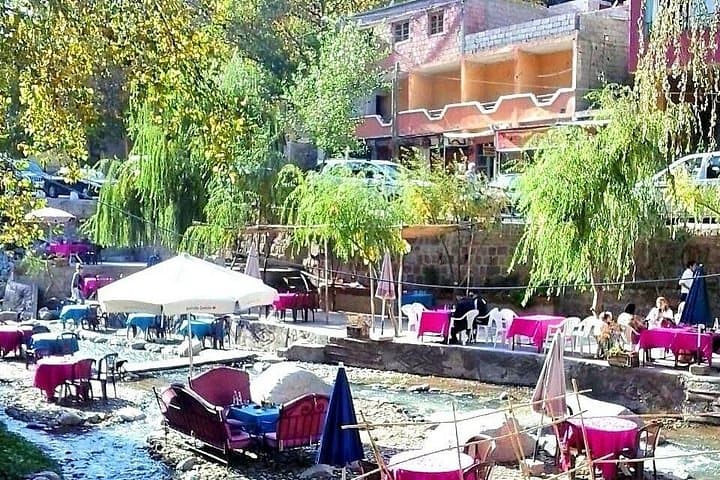
Expect a balanced day: short village walks, photo stops along the river, a light hike to the lower falls, and a riverside lunch. Wear broken-in shoes for rocky trails, bring at least 1–2 liters of water in summer, and allow time for the unhurried pace of local markets if your visit aligns with Monday or Thursday souk days. Guides and drivers handle logistics; travelers should bring small bills for cooperatives and be prepared for uneven terrain and sun exposure.
easy.
6–8 hours.
Suitable for most fitness levels; expect short hikes over rocky, uneven paths and optional steps to lower falls.
The tour typically lasts about 6–8 hours round-trip, including transport time and stops; driving to the valley takes roughly 45–60 minutes each way depending on traffic.
The walk to the lower falls is short and accessible for most visitors, but trails are uneven and can be slippery after rain — wear sturdy shoes.
Yes; many cooperatives sell small bottles and accept cash — purchases support local women’s groups and are good for sampling regional production.
Basic cafes and restaurant options are available near Setti Fatma and along the valley; some stops have restrooms but facilities vary in cleanliness and availability.
The Ourika Valley has long been inhabited by Amazigh (Berber) communities whose irrigation terraces and seasonal dwellings reflect centuries of mountain agriculture and trade.
Water is a limited resource here; visitors should avoid single-use plastics, support local cooperatives, and stick to marked paths to reduce erosion and disturbance.
Marrakech Tour Guide operates guided outdoor trips and adventures with an emphasis on safety, stewardship, and memorable experiences.
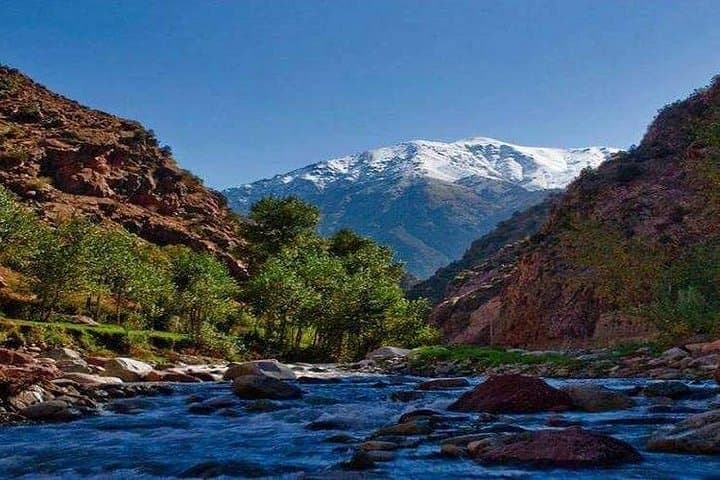
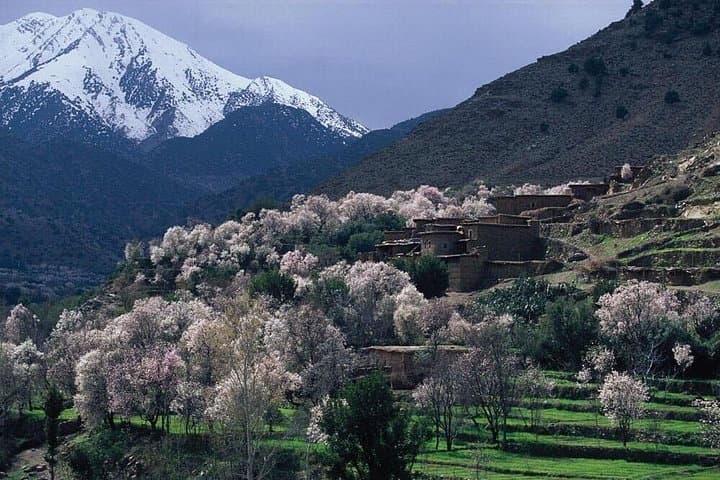
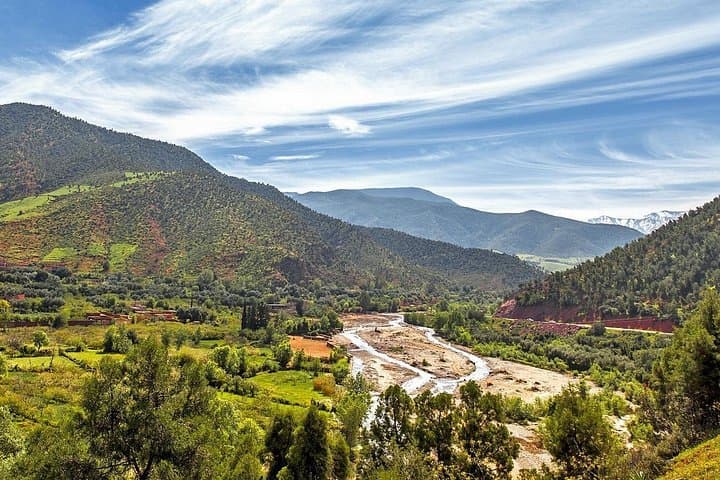
A dust-scented road falls away from Marrakech and the Anti-Atlas roofs flatten into green terraces; within an hour the Ourika River is audible before it’s visible — a narrow ribbon that dares you to follow it upstream. The day trip threads through clay-built Berber villages where children wave from muleback and women braid argan kernels in cooperative courtyards. High above, the Atlas folds into jagged ridgelines that define the valley’s geology: schist and sandstone carved into stepped fields and plunging gullies.
A dust-scented road falls away from Marrakech and the Anti-Atlas roofs flatten into green terraces; within an hour the Ourika River is audible before it’s visible — a narrow ribbon that dares you to follow it upstream. The day trip threads through clay-built Berber villages where children wave from muleback and women braid argan kernels in cooperative courtyards. High above, the Atlas folds into jagged ridgelines that define the valley’s geology: schist and sandstone carved into stepped fields and plunging gullies.
The valley has been a seasonal refuge for Amazigh (Berber) families for centuries, its irrigation channels and terraced plots a practical response to scarce rain. Setti Fatma, the village at the hike’s end, is best known for a cluster of seven waterfalls that gather runoff from winter storms — not alpine torrents, but persistent cascades that change with the seasons. The local argan cooperatives offer a direct view into regional crafts and sustainable livelihoods born from the tree that only grows here.
Expect a balanced day: short village walks, photo stops along the river, a light hike to the lower falls, and a riverside lunch. Wear broken-in shoes for rocky trails, bring at least 1–2 liters of water in summer, and allow time for the unhurried pace of local markets if your visit aligns with Monday or Thursday souk days. Guides and drivers handle logistics; travelers should bring small bills for cooperatives and be prepared for uneven terrain and sun exposure.