THE ADVENTURE COLLECTIVE® · Independent discovery and booking for outdoor travel

Escape Marrakech for a day and follow the Ourika River into the High Atlas to hike to Setti Fatma’s waterfalls, sip mint tea in a Berber home and watch argan oil being made. This practical guide explains what to expect on the road, the hike, and how to prepare.
Escape Marrakech for a day and follow the Ourika River into the High Atlas to hike to Setti Fatma’s waterfalls, sip mint tea in a Berber home and watch argan oil being made. This practical guide explains what to expect on the road, the hike, and how to prepare.
A cool river scent cuts through the dry Atlas air as the road drops from Marrakech into a ribbon of green. Travelers on this full-day excursion find themselves trading city heat for the Ourika Valley’s cherry orchards, terraced fields and the steady murmur of the Ourika River. The destination is Setti Fatma, a village that serves as the trailhead for a guided hike to a series of seven waterfalls that sculpt the valley’s volcanic bedrock.
Verified experiences and guided adventures in the surrounding area.
Operated by guide morocco tours · Setti Fatma, Marrakech-Safi
A cool river scent cuts through the dry Atlas air as the road drops from Marrakech into a ribbon of green. Travelers on this full-day excursion find themselves trading city heat for the Ourika Valley’s cherry orchards, terraced fields and the steady murmur of the Ourika River. The destination is Setti Fatma, a village that serves as the trailhead for a guided hike to a series of seven waterfalls that sculpt the valley’s volcanic bedrock.
Geology here is blunt and honest: the High Atlas is made of uplifted sedimentary and volcanic rock shaped by rivers and seasonal flash floods. Human history is equally plain—Berber families have farmed these slopes for centuries and the valley sits along local routes that linked mountain hamlets to Marrakech’s markets. Cultural stops on the trip typically include a visit to a Berber home for mint tea and an argan oil cooperative run by local women, where traditional techniques are shown and sold.
Practical guidance: hikers can choose a short, easy walk or a steeper route with uneven stone steps and occasional river crossings—sturdy footwear and a light jacket are sensible. Expect 60–90 minutes for the waterfalls section if you move at a relaxed pace; add time for tea and lunch by the river. Photography is best in soft morning or late-afternoon light when the canyon walls take on warm tones, and water flow is highest in spring after winter rains.
Respect private homes, support cooperatives directly if you buy, and carry out any trash—the valley is small and sensitive to seasonal pressure from day visitors.
moderate.
7–8 hours.
Suitable for travelers in good general health who can manage 60–90 minutes of walking on uneven terrain and short stair climbs.
The transfer is about 45–60 minutes each way depending on traffic and stops at viewpoints along the atlas foothills.
Options range from an easy riverside walk suitable for most people to a steeper guided route with uneven stone steps; guides tailor the pace to the group.
Lunch by the river is typically included as described by the operator, but small purchases at cooperatives and optional tips are extra.
Short walks near the village are family-friendly, but the full waterfall route includes steps and river crossings that are not stroller-friendly.
The Ourika Valley has long been home to Amazigh (Berber) communities who farm terraced plots and traded goods with Marrakech; the area’s argan and olive processing are longstanding local crafts.
Tourism brings money but also pressure—support local cooperatives, avoid single-use plastics and stay on marked paths to protect fragile riverbanks.
guide morocco tours operates guided outdoor trips and adventures with an emphasis on safety, stewardship, and memorable experiences.
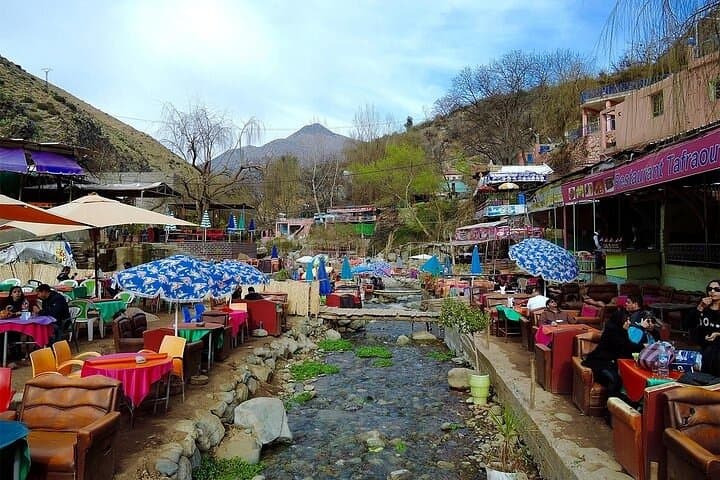
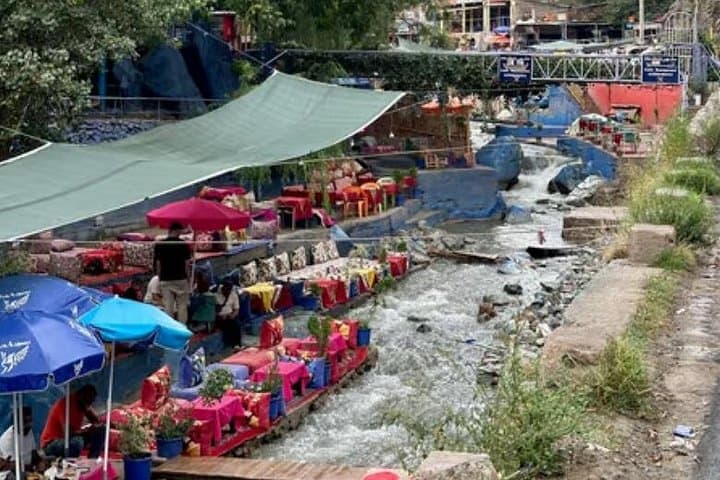
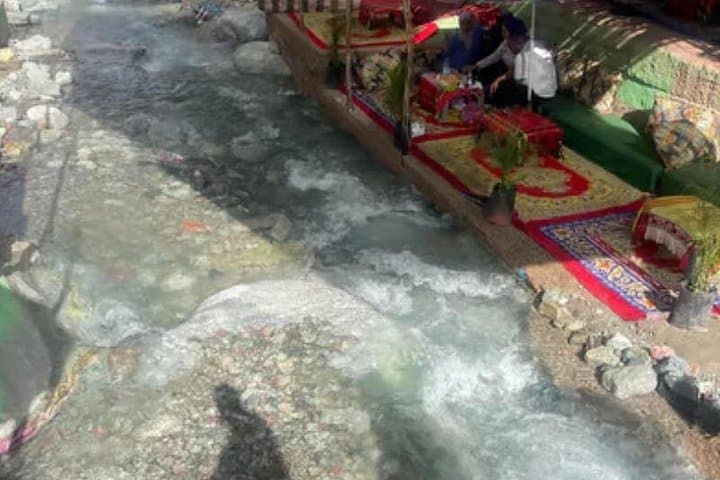
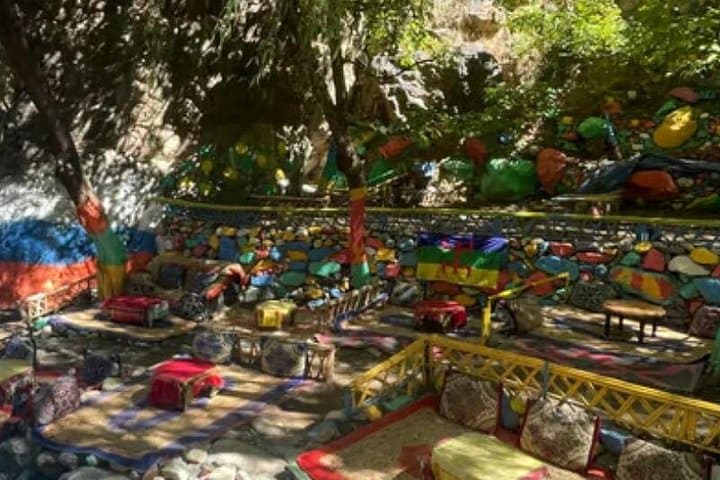
A cool river scent cuts through the dry Atlas air as the road drops from Marrakech into a ribbon of green. Travelers on this full-day excursion find themselves trading city heat for the Ourika Valley’s cherry orchards, terraced fields and the steady murmur of the Ourika River. The destination is Setti Fatma, a village that serves as the trailhead for a guided hike to a series of seven waterfalls that sculpt the valley’s volcanic bedrock.
A cool river scent cuts through the dry Atlas air as the road drops from Marrakech into a ribbon of green. Travelers on this full-day excursion find themselves trading city heat for the Ourika Valley’s cherry orchards, terraced fields and the steady murmur of the Ourika River. The destination is Setti Fatma, a village that serves as the trailhead for a guided hike to a series of seven waterfalls that sculpt the valley’s volcanic bedrock.
Geology here is blunt and honest: the High Atlas is made of uplifted sedimentary and volcanic rock shaped by rivers and seasonal flash floods. Human history is equally plain—Berber families have farmed these slopes for centuries and the valley sits along local routes that linked mountain hamlets to Marrakech’s markets. Cultural stops on the trip typically include a visit to a Berber home for mint tea and an argan oil cooperative run by local women, where traditional techniques are shown and sold.
Practical guidance: hikers can choose a short, easy walk or a steeper route with uneven stone steps and occasional river crossings—sturdy footwear and a light jacket are sensible. Expect 60–90 minutes for the waterfalls section if you move at a relaxed pace; add time for tea and lunch by the river. Photography is best in soft morning or late-afternoon light when the canyon walls take on warm tones, and water flow is highest in spring after winter rains.
Respect private homes, support cooperatives directly if you buy, and carry out any trash—the valley is small and sensitive to seasonal pressure from day visitors.