THE ADVENTURE COLLECTIVE® · Independent discovery and booking for outdoor travel

Drive from Marrakech into the High Atlas for a day of riverside hikes, Setti Fatma’s seven waterfalls, and a riverside Berber lunch. This accessible day trip blends short mountain trails with cultural stops at argan cooperatives and a traditional Amazigh home.
Drive from Marrakech into the High Atlas for a day of riverside hikes, Setti Fatma’s seven waterfalls, and a riverside Berber lunch. This accessible day trip blends short mountain trails with cultural stops at argan cooperatives and a traditional Amazigh home.
You leave Marrakech’s ochre walls behind and the road bends into olive terraces; the High Atlas rises like an impatient friend pushing the valley into view. By the time you reach Setti Fatma, the river is speaking—cold, urgent, and willing you to follow it upstream toward seven stepped waterfalls.
Verified experiences and guided adventures in the surrounding area.
Operated by Unveiled Morocco · Setti Fatma, Marrakesh-Safi
You leave Marrakech’s ochre walls behind and the road bends into olive terraces; the High Atlas rises like an impatient friend pushing the valley into view. By the time you reach Setti Fatma, the river is speaking—cold, urgent, and willing you to follow it upstream toward seven stepped waterfalls.
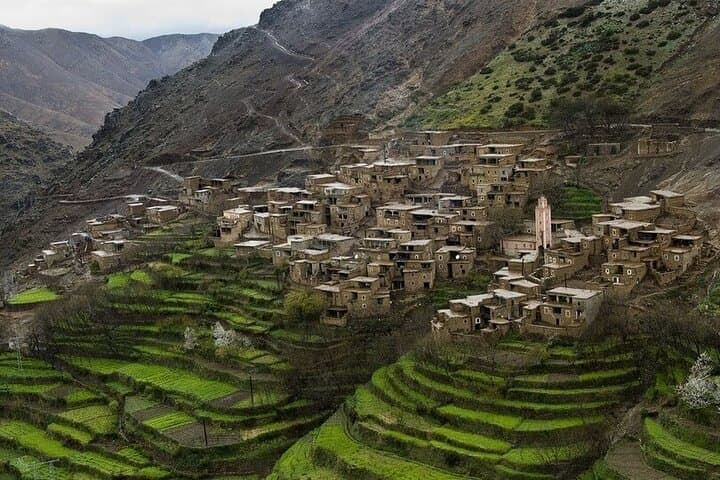
The Ourika Valley has been a summer refuge for Marrakchis for generations. Geologically it’s a young mountain flank carved by seasonal runoff, where metamorphic rock and alluvial fans shape narrow trails and sudden plunge pools. Culturally the route threads through Amazigh (Berber) villages, argan cooperatives run by women, and homes that still welcome visitors for mint tea and conversation.
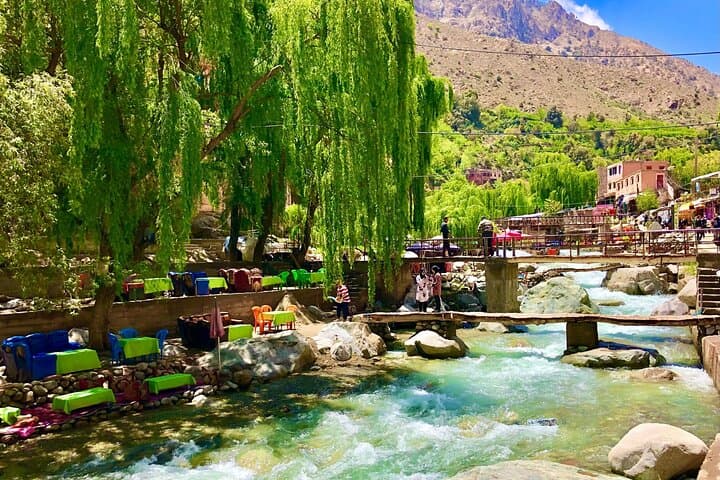
On the trail to Setti Fatma you’ll trade city heat for shaded gullies; in summer the pools tempt a swim, in shoulder seasons the hike rewards with water louder and air cooler. Lunch is straightforward and honest—tagine, fresh salads and fruit served riverside, where the current seems to applaud each bite.
Practical notes: expect a 1–1.5 hour hike to the main cascades on uneven, sometimes rocky paths (mules are available for part of the route). Bring sturdy shoes, layered clothing, and water; mobile reception is intermittent. The trip is family-friendly but watch children on steep sections and riverbanks. Book transport from Marrakech for a 7–9 hour day; mornings are quieter on the trail and better for photography. Respect village customs, ask before photographing residents, and support local cooperatives if you buy argan oil or handicrafts—small purchases directly benefit the communities that maintain these trails.
moderate.
7–9 hours.
Good for travelers in regular walking condition; expect uneven terrain and short, sustained climbs.
The walk to the main cascades takes about 1–1.5 hours each way, depending on pace and stops; mules are available for part of the route.
Yes in summer months when water is warmer; always check local conditions and avoid strong currents after heavy rain.
Yes—most operators can accommodate vegetarian and vegan requests if informed in advance.
Guided day trips from Marrakech include transport and local insight; independent travel is possible but you’ll need to arrange transport and local directions.
The Ourika Valley has long been a seasonal retreat for Marrakchis and a crossroads for Amazigh communities; argan production and Berber household crafts are cultural cornerstones.
Support local cooperatives and stick to trails to reduce erosion; avoid single-use plastics and follow guides’ advice to protect fragile river habitats.
Unveiled Morocco operates guided outdoor trips and adventures with an emphasis on safety, stewardship, and memorable experiences.
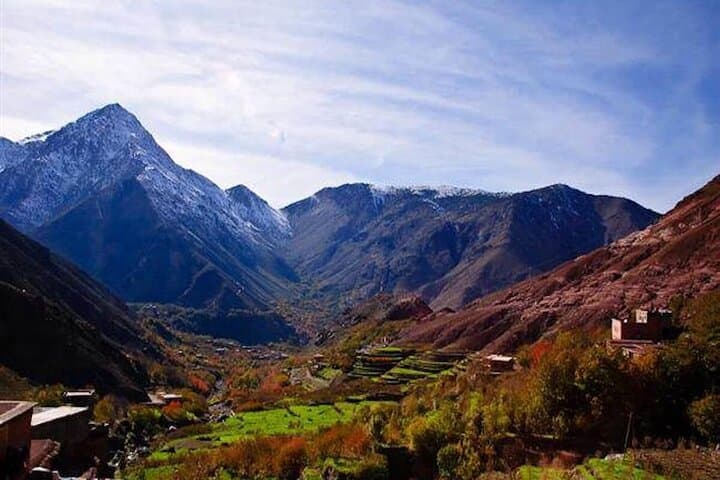
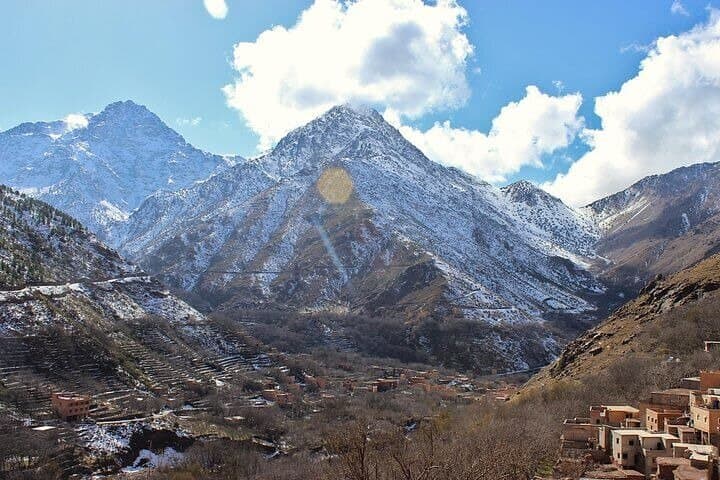
You leave Marrakech’s ochre walls behind and the road bends into olive terraces; the High Atlas rises like an impatient friend pushing the valley into view. By the time you reach Setti Fatma, the river is speaking—cold, urgent, and willing you to follow it upstream toward seven stepped waterfalls.
You leave Marrakech’s ochre walls behind and the road bends into olive terraces; the High Atlas rises like an impatient friend pushing the valley into view. By the time you reach Setti Fatma, the river is speaking—cold, urgent, and willing you to follow it upstream toward seven stepped waterfalls.
The Ourika Valley has been a summer refuge for Marrakchis for generations. Geologically it’s a young mountain flank carved by seasonal runoff, where metamorphic rock and alluvial fans shape narrow trails and sudden plunge pools. Culturally the route threads through Amazigh (Berber) villages, argan cooperatives run by women, and homes that still welcome visitors for mint tea and conversation.
On the trail to Setti Fatma you’ll trade city heat for shaded gullies; in summer the pools tempt a swim, in shoulder seasons the hike rewards with water louder and air cooler. Lunch is straightforward and honest—tagine, fresh salads and fruit served riverside, where the current seems to applaud each bite.
Practical notes: expect a 1–1.5 hour hike to the main cascades on uneven, sometimes rocky paths (mules are available for part of the route). Bring sturdy shoes, layered clothing, and water; mobile reception is intermittent. The trip is family-friendly but watch children on steep sections and riverbanks. Book transport from Marrakech for a 7–9 hour day; mornings are quieter on the trail and better for photography. Respect village customs, ask before photographing residents, and support local cooperatives if you buy argan oil or handicrafts—small purchases directly benefit the communities that maintain these trails.