THE ADVENTURE COLLECTIVE® · Independent discovery and booking for outdoor travel

Head into the High Atlas for a full-day escape from Marrakech: river trails, waterfalls, and village life dominated by Berber culture and mountain geology. Expect short uphill walks, riverside tea stops, and changing light across terraced fields.
Head into the High Atlas for a full-day escape from Marrakech: river trails, waterfalls, and village life dominated by Berber culture and mountain geology. Expect short uphill walks, riverside tea stops, and changing light across terraced fields.
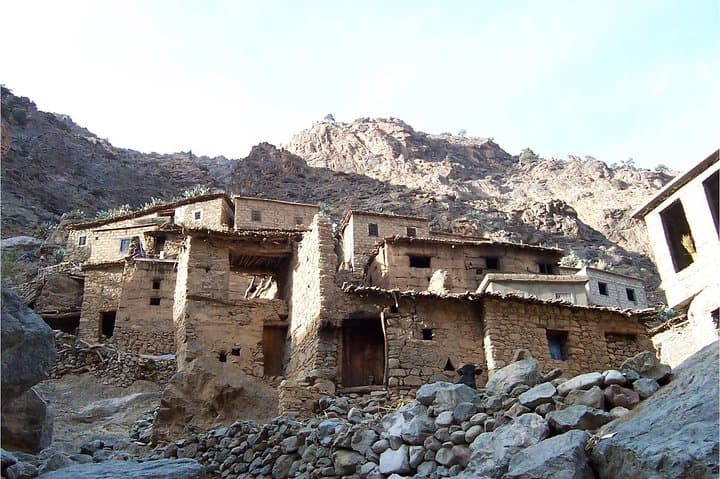
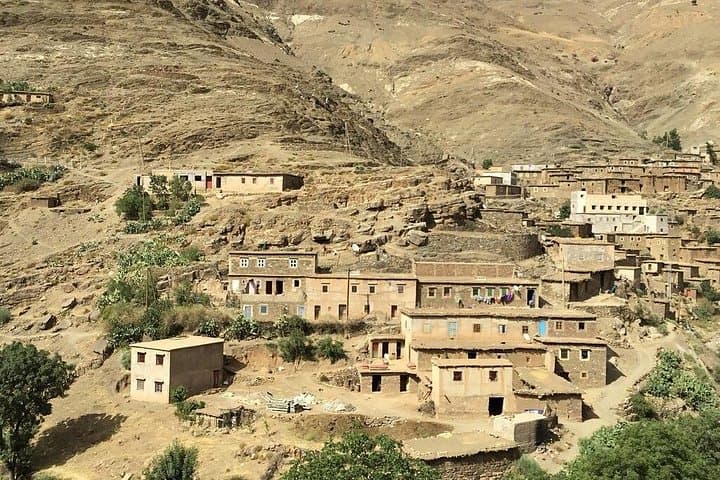
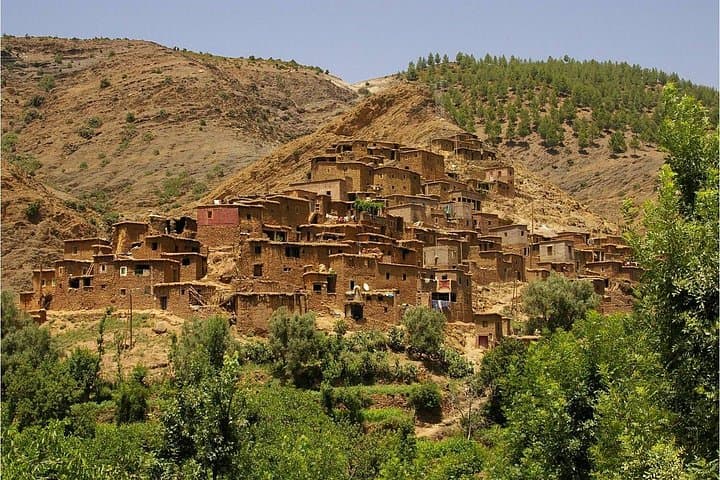
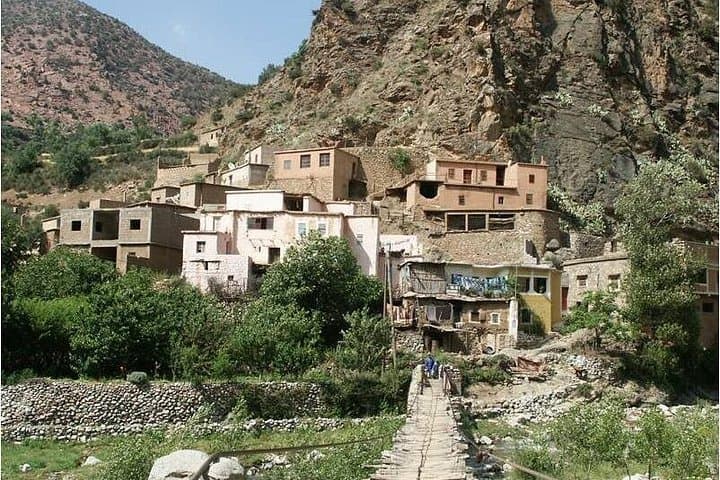
A cool morning on the plains outside Marrakech, and the road bends toward the High Atlas. You leave the city’s ochre walls behind and the valley opens: terraced fields step down toward a fast, green river that seems to dare you to follow it upstream. Small stone houses flank the road, children and donkeys reappearing like punctuation between olive groves and almond trees.
Verified experiences and guided adventures in the surrounding area.
Operated by The Moroccan Trip Planner · Ourika, Marrakech-Safi
A cool morning on the plains outside Marrakech, and the road bends toward the High Atlas. You leave the city’s ochre walls behind and the valley opens: terraced fields step down toward a fast, green river that seems to dare you to follow it upstream. Small stone houses flank the road, children and donkeys reappearing like punctuation between olive groves and almond trees.
The Ourika Valley is a living landscape of Berber culture and recent volcanic geology—granite ridges carved by seasonal torrents. Historically the valley has been a rural corridor linking mountain villages to Marrakech, its villages speaking Tashelhit (a Chleuh dialect) and trading olive oil, figs, and handwoven textiles. Locally guided walks often end at Setti Fatma, a string of waterfalls accessed by a series of stepped trails and switchbacks.
Expect short, uneven climbs, shaded riparian paths, and viewpoints that open on the high ridgelines. The valley’s geology is evident in boulder fields and steep terraces; in spring the river pushes fuller, in summer the water is low but the light is sharp. Cultural notes: many households run small tea stops and simple restaurants—cash and small change are useful.
Practical guidance: plan a full day for pickup, village stops, a guided short hike to the lower waterfalls, and time for a riverside lunch. Wear sturdy shoes, carry 1–2 liters of water, sun protection, and modest clothing for village visits. Morning departures avoid the mid-day heat and give the best light for photos; be prepared for uneven stone steps to the falls and an easy-paced but active day outside the city.
easy.
10 hours.
Suitable for travelers with basic mobility; includes short uphill sections and uneven stone paths to the waterfalls.
Yes—this excursion typically includes private round-trip transportation from Marrakech; confirm your pickup point when booking.
The trail involves short uphill sections and stone steps; it’s classified easy but requires steady footing and basic mobility.
Most tours include transport and guide fees; meals, drinks, and optional tips at tea stops are usually extra—check the tour details before you go.
Infants and small children can join, but strollers are impractical on the waterfall trails; carriers are better for uneven paths.
The valley has long been inhabited by Amazigh (Berber) communities; its villages and terraced farms formed a centuries-old supply corridor to Marrakech.
Tourism brings income but also pressure—stick to marked paths, avoid leaving waste, and purchase from local vendors to support community livelihoods.
The Moroccan Trip Planner operates guided outdoor trips and adventures with an emphasis on safety, stewardship, and memorable experiences.
A cool morning on the plains outside Marrakech, and the road bends toward the High Atlas. You leave the city’s ochre walls behind and the valley opens: terraced fields step down toward a fast, green river that seems to dare you to follow it upstream. Small stone houses flank the road, children and donkeys reappearing like punctuation between olive groves and almond trees.
A cool morning on the plains outside Marrakech, and the road bends toward the High Atlas. You leave the city’s ochre walls behind and the valley opens: terraced fields step down toward a fast, green river that seems to dare you to follow it upstream. Small stone houses flank the road, children and donkeys reappearing like punctuation between olive groves and almond trees.
The Ourika Valley is a living landscape of Berber culture and recent volcanic geology—granite ridges carved by seasonal torrents. Historically the valley has been a rural corridor linking mountain villages to Marrakech, its villages speaking Tashelhit (a Chleuh dialect) and trading olive oil, figs, and handwoven textiles. Locally guided walks often end at Setti Fatma, a string of waterfalls accessed by a series of stepped trails and switchbacks.
Expect short, uneven climbs, shaded riparian paths, and viewpoints that open on the high ridgelines. The valley’s geology is evident in boulder fields and steep terraces; in spring the river pushes fuller, in summer the water is low but the light is sharp. Cultural notes: many households run small tea stops and simple restaurants—cash and small change are useful.
Practical guidance: plan a full day for pickup, village stops, a guided short hike to the lower waterfalls, and time for a riverside lunch. Wear sturdy shoes, carry 1–2 liters of water, sun protection, and modest clothing for village visits. Morning departures avoid the mid-day heat and give the best light for photos; be prepared for uneven stone steps to the falls and an easy-paced but active day outside the city.