
Ourika Valley Day Trip from Marrakech: Waterfalls, Berber Villages & High Atlas Hikes
A short drive from Marrakech, the Ourika Valley pairs easy riverside walks and lively Berber markets with higher, rugged hikes into the High Atlas. This day trip is a practical option for travelers wanting culture, waterfalls, and reachable mountain scenery.
An Adventure In Marrakech.
A short drive from Marrakech, the Ourika Valley pairs easy riverside walks and lively Berber markets with higher, rugged hikes into the High Atlas. This day trip is a practical option for travelers wanting culture, waterfalls, and reachable mountain scenery.
Read the full experience
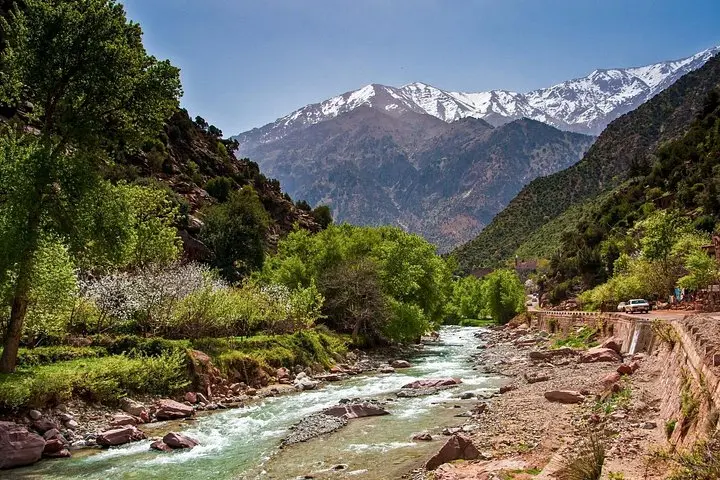
You step out of the air‑conditioned van and the valley greets you with a cooler, pine‑scented breath. The Ourika River threads down the basin, daring you to follow its riffles toward stone terraces, a string of small Berber villages, and the set of seven cascades above Setti Fatma. Low ridgelines frame the sky; on clear days the jagged shoulders of the High Atlas show snow on higher summits.
You step out of the air‑conditioned van and the valley greets you with a cooler, pine‑scented breath. The Ourika River threads down the basin, daring you to follow its riffles toward stone terraces, a string of small Berber villages, and the set of seven cascades above Setti Fatma. Low ridgelines frame the sky; on clear days the jagged shoulders of the High Atlas show snow on higher summits.
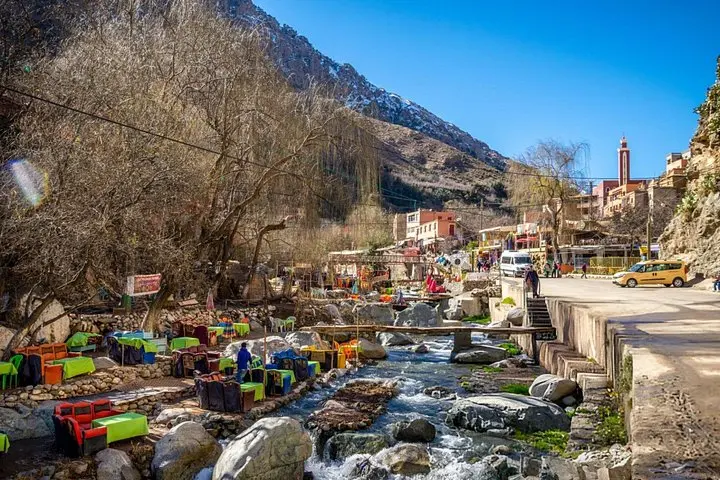
The valley has long been a seasonal lifeline for Amazigh (Berber) communities who farm terraces and herd goats. Geologically it’s carved from schist and limestone; seasonal snowmelt swells the river in spring and scours the trails. Local markets still trade woven blankets, argan oil and goat cheese, and visiting a family home offers a direct window into daily life that predates mass tourism.
Trails range from easy riverside walks (2–4 km) to steeper day hikes that gain a few hundred meters in elevation if you push toward higher hamlets. Expect rocky, sometimes uneven footpaths, loose scree on steeper sections and short, exposed stretches above the river.
Practical guidance: arrive early to avoid midafternoon heat, carry at least 1–2 liters of water, and wear grippy shoes for wet rocks near the cascades. If you plan to hike beyond Setti Fatma, allow 3–5 hours round‑trip and prepare for simple, unmarked routes. Respect private terraces and ask before photographing inside homes. A day here balances easy cultural stops with the option to stretch into genuine High Atlas terrain—it's an accessible escape from Marrakech with clear, tangible rewards.
Frequently asked questions
The drive is about 45–75 minutes depending on traffic and your exact pickup point; most tours schedule 1–1.5 hours each way.
The easy lower cascades are family‑friendly with supervision; steeper tracks above Setti Fatma are better for older children used to uneven terrain.
For a short visit through the main villages and waterfalls a guide isn’t required, but a local guide is useful for longer hikes, navigation and cultural context.
Yes—many tours include a visit to a family home; always ask first and be mindful of modesty and photography preferences.
About This Experience
Togza Travel Private Tours operates guided outdoor trips and adventures with an emphasis on safety, stewardship, and memorable experiences.
Adventure tips
Recommended gear
- Sturdy trail shoes: Provide traction on wet rocks and uneven trails near waterfalls.
- 1–2L water bottle or hydration pack: Keep hydrated—sun and dry air can dehydrate you quickly during hikes.
- Light layers & windbreaker: Temperatures vary by elevation; mornings and shaded river corridors are noticeably cooler.
- Sun protection (hat, sunscreen, sunglasses): Open valley exposure and time on south‑facing slopes mean strong sun by midafternoon.
Photos of the experience
Related adventures & guides
Read the full experience
You step out of the air‑conditioned van and the valley greets you with a cooler, pine‑scented breath. The Ourika River threads down the basin, daring you to follow its riffles toward stone terraces, a string of small Berber villages, and the set of seven cascades above Setti Fatma. Low ridgelines frame the sky; on clear days the jagged shoulders of the High Atlas show snow on higher summits.
You step out of the air‑conditioned van and the valley greets you with a cooler, pine‑scented breath. The Ourika River threads down the basin, daring you to follow its riffles toward stone terraces, a string of small Berber villages, and the set of seven cascades above Setti Fatma. Low ridgelines frame the sky; on clear days the jagged shoulders of the High Atlas show snow on higher summits.
The valley has long been a seasonal lifeline for Amazigh (Berber) communities who farm terraces and herd goats. Geologically it’s carved from schist and limestone; seasonal snowmelt swells the river in spring and scours the trails. Local markets still trade woven blankets, argan oil and goat cheese, and visiting a family home offers a direct window into daily life that predates mass tourism.
Trails range from easy riverside walks (2–4 km) to steeper day hikes that gain a few hundred meters in elevation if you push toward higher hamlets. Expect rocky, sometimes uneven footpaths, loose scree on steeper sections and short, exposed stretches above the river.
Practical guidance: arrive early to avoid midafternoon heat, carry at least 1–2 liters of water, and wear grippy shoes for wet rocks near the cascades. If you plan to hike beyond Setti Fatma, allow 3–5 hours round‑trip and prepare for simple, unmarked routes. Respect private terraces and ask before photographing inside homes. A day here balances easy cultural stops with the option to stretch into genuine High Atlas terrain—it's an accessible escape from Marrakech with clear, tangible rewards.
Make a day of it nearby.
Verified experiences and guided adventures in the surrounding area.