THE ADVENTURE COLLECTIVE® · Independent discovery and booking for outdoor travel

Lose the city for a day on an 8-hour excursion from Marrakech into Ourika Valley. Hike to Setti Fadma’s waterfalls, visit Berber villages for mint tea, and eat beside the river while taking in terraced gardens and Atlas foothill views.
Lose the city for a day on an 8-hour excursion from Marrakech into Ourika Valley. Hike to Setti Fadma’s waterfalls, visit Berber villages for mint tea, and eat beside the river while taking in terraced gardens and Atlas foothill views.
You drop out of Marrakech’s ochre light and the city eases behind you as the road climbs toward the High Atlas foothills; olive trees and terraced gardens slide past the van’s window and the Atlas air sharpens. By midmorning you step into the Ourika Valley—river stones underfoot, spray from the Setti Fadma cascades daring you toward their pools, and a path threads through small Berber villages where smoke from hearths marks lunchtime.
Verified experiences and guided adventures in the surrounding area.
Operated by Marrakesh Day Tours · Setti Fadma, Marrakesh-Safi
You drop out of Marrakech’s ochre light and the city eases behind you as the road climbs toward the High Atlas foothills; olive trees and terraced gardens slide past the van’s window and the Atlas air sharpens. By midmorning you step into the Ourika Valley—river stones underfoot, spray from the Setti Fadma cascades daring you toward their pools, and a path threads through small Berber villages where smoke from hearths marks lunchtime.
The valley is carved from schist and sandstone, its slopes cut into terraces that reflect centuries of subsistence agriculture. Setti Fadma, the waterfall hamlet, has long been a waystation between Marrakech and higher Atlas settlements; Berber households still pour mint tea and serve tagines beside the river. Geologically, seasonal water flow sculpts stepped falls and river channels that can be slippery and changeable after rain.
Expect a mix of walking on rough tracks, stone steps and short river crossings during the 2–3 hour hike to the main cascades. Guides arrange a traditional meal by the river and a visit to a family home for tea, providing cultural insight into Amazigh life and land stewardship.
Practical: wear sturdy shoes with good grip, bring 1–2 liters of water, sun protection and a light rain layer in shoulder seasons. Start early to avoid midday heat and busier groups; carry small change for local purchases and a modest tip for your guide. The loop is accessible to most active travelers but involves uneven terrain—move deliberately, and the valley rewards you with cool water, terraced orchards and a close look at mountain village life.
moderate.
8 hours (total, including transport).
Suitable for travelers in average fitness who can handle uneven ground and short steep sections
Guided hikes typically take 2–3 hours roundtrip on uneven trails and stone steps, depending on your pace and how many stops you make.
The drive from central Marrakech is roughly 40–60 minutes depending on traffic and exact pick-up location.
The valley visit and lower village areas are family-friendly, but the waterfall trail includes steep, uneven sections that may be challenging for very young children or those with limited mobility.
Most day-trip packages include a traditional lunch by the river and bottled water; confirm specifics when booking and mention dietary needs ahead of time.
The Ourika Valley has long been inhabited by Amazigh (Berber) communities who farm terraced plots and trade with Marrakech; the route to Setti Fadma served as a local passage through the Atlas foothills.
Visitors should stay on marked paths to protect terraced agriculture and prevent erosion; support local households directly by buying goods or tipping guides.
Marrakesh Day Tours operates guided outdoor trips and adventures with an emphasis on safety, stewardship, and memorable experiences.
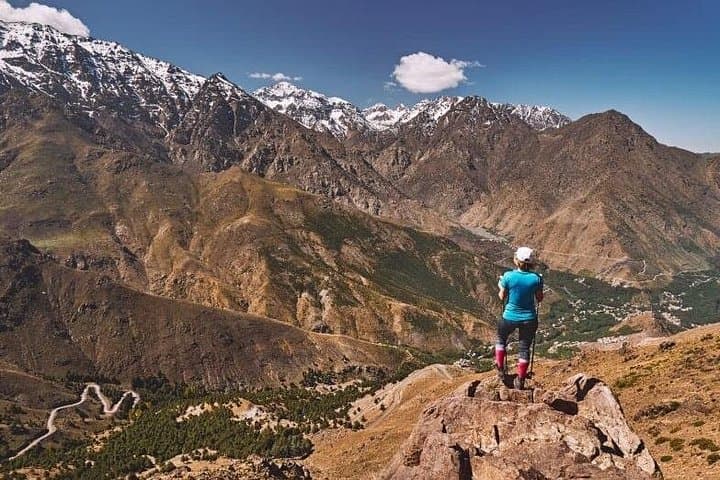
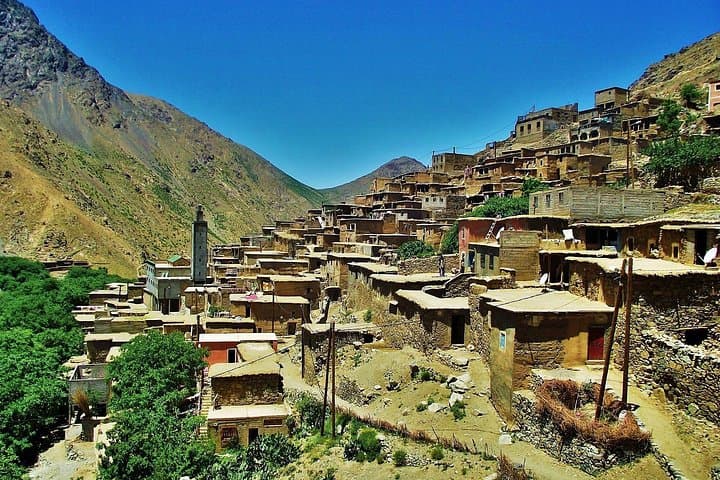
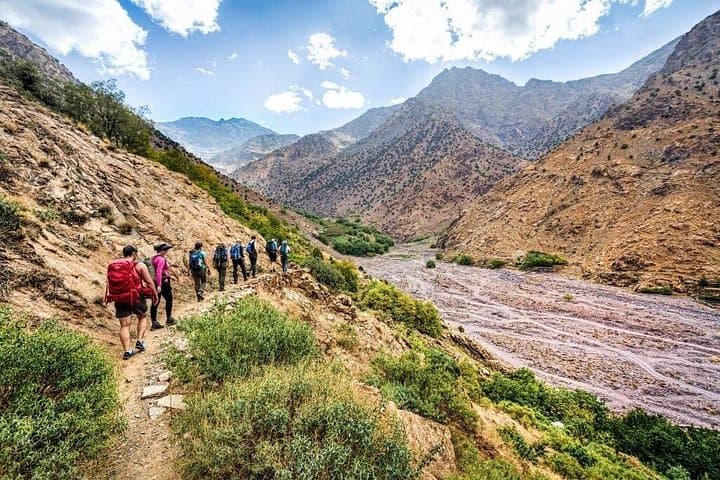
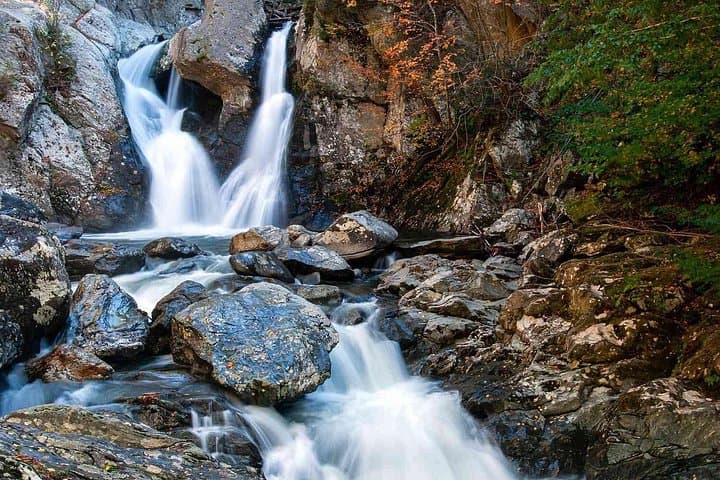
You drop out of Marrakech’s ochre light and the city eases behind you as the road climbs toward the High Atlas foothills; olive trees and terraced gardens slide past the van’s window and the Atlas air sharpens. By midmorning you step into the Ourika Valley—river stones underfoot, spray from the Setti Fadma cascades daring you toward their pools, and a path threads through small Berber villages where smoke from hearths marks lunchtime.
You drop out of Marrakech’s ochre light and the city eases behind you as the road climbs toward the High Atlas foothills; olive trees and terraced gardens slide past the van’s window and the Atlas air sharpens. By midmorning you step into the Ourika Valley—river stones underfoot, spray from the Setti Fadma cascades daring you toward their pools, and a path threads through small Berber villages where smoke from hearths marks lunchtime.
The valley is carved from schist and sandstone, its slopes cut into terraces that reflect centuries of subsistence agriculture. Setti Fadma, the waterfall hamlet, has long been a waystation between Marrakech and higher Atlas settlements; Berber households still pour mint tea and serve tagines beside the river. Geologically, seasonal water flow sculpts stepped falls and river channels that can be slippery and changeable after rain.
Expect a mix of walking on rough tracks, stone steps and short river crossings during the 2–3 hour hike to the main cascades. Guides arrange a traditional meal by the river and a visit to a family home for tea, providing cultural insight into Amazigh life and land stewardship.
Practical: wear sturdy shoes with good grip, bring 1–2 liters of water, sun protection and a light rain layer in shoulder seasons. Start early to avoid midday heat and busier groups; carry small change for local purchases and a modest tip for your guide. The loop is accessible to most active travelers but involves uneven terrain—move deliberately, and the valley rewards you with cool water, terraced orchards and a close look at mountain village life.