THE ADVENTURE COLLECTIVE® · Independent discovery and booking for outdoor travel

Escape Marrakech for a private day in the Ourika Valley: a guided trek to Setti Fadma’s waterfalls, stops at argan cooperatives and a riverside Berber lunch. This practical day trip balances easy hiking with cultural insight and scenic foothill views.
Escape Marrakech for a private day in the Ourika Valley: a guided trek to Setti Fadma’s waterfalls, stops at argan cooperatives and a riverside Berber lunch. This practical day trip balances easy hiking with cultural insight and scenic foothill views.
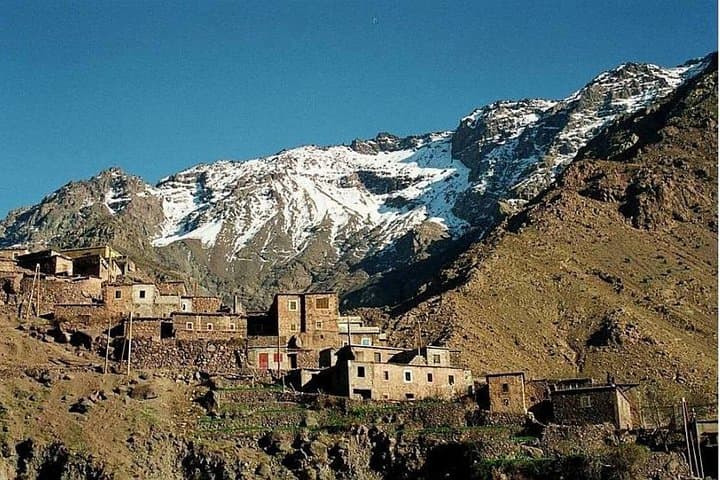
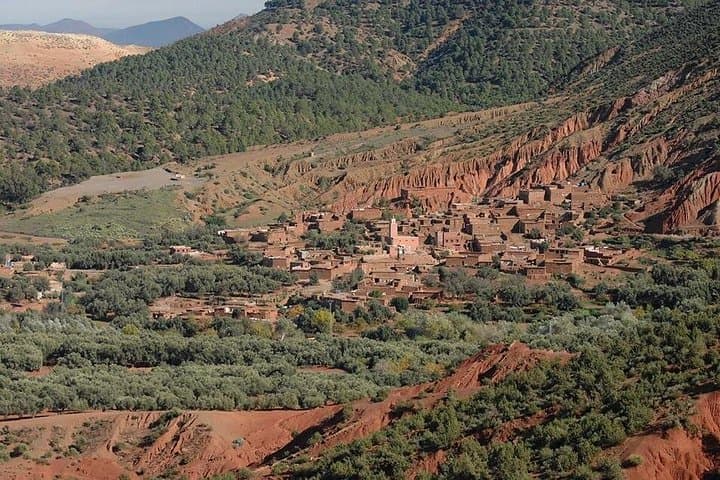
A cool morning leaves Marrakech behind and the road climbs into the High Atlas foothills; olive groves and low stone houses slide past the van window as the Ourika River’s voice grows louder. Arriving in Setti Fadma, the village feels less like a stop and more like a starting point: a lane of flat-roofed homes, the scent of wood smoke, and guides pointing up a terraced path toward a line of waterfalls.
Verified experiences and guided adventures in the surrounding area.
Operated by Morocco Private Excursions · Setti Fadma, Marrakesh-Safi
A cool morning leaves Marrakech behind and the road climbs into the High Atlas foothills; olive groves and low stone houses slide past the van window as the Ourika River’s voice grows louder. Arriving in Setti Fadma, the village feels less like a stop and more like a starting point: a lane of flat-roofed homes, the scent of wood smoke, and guides pointing up a terraced path toward a line of waterfalls.
Geologically the Ourika Valley is carved from schist and sandstone, channels cut by snowmelt that still thins and swells with the seasons. Historically the valley has long belonged to Berber communities whose terraces, irrigation channels (khettaras) and seasonal markets reflect traditional mountain life. Visitors may encounter local argan cooperatives where women press oil by hand and small markets on Mondays and Fridays where livestock and woven goods trade hands.
The hike from Setti Fadma to the cascades is straightforward: roughly one to two hours round-trip depending on stops, on rocky, sometimes steep trails that require steady footing. Expect shaded river sections, open viewpoints over the valley, and pools that dare you to linger. Guides provide local context—flora, water use, and the rare chance of spotting Barbary macaques in higher groves.
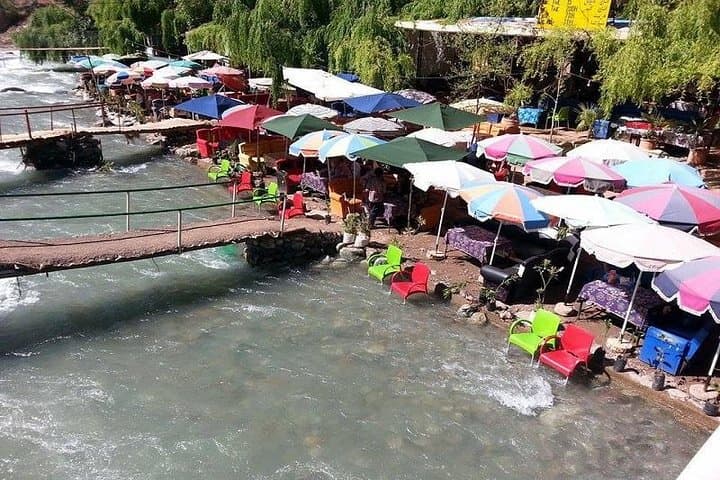
Practical guidance: wear grippy shoes, bring sun protection and water, and plan for a full day—hotel pickup and drop-off are usually included. If you prefer a gentler pace, request a shorter walk or arrange more time at the riverside lunch spots. The route rewards curiosity: each terrace and cascade narrates a bit of Atlas life and landscape.
moderate.
6–8 hours.
Suitable for people in reasonable walking shape; involves uneven, sometimes steep trail sections but no technical climbing.
The walking tour from Setti Fadma to the main cascades typically takes about 1–2 hours round-trip depending on pace and stops.
Yes—private tours commonly include hotel pickup and drop-off in Marrakech; confirm pickup time when booking.
The route is family-friendly but includes rocky, sometimes steep sections; travelers with limited mobility should discuss adjustments with the operator.
Yes—many itineraries include a visit to a women’s argan cooperative and the Ourika market when it aligns with the weekly schedule (usually Monday and Friday).
The Ourika Valley has been inhabited by Amazigh (Berber) communities for centuries; its terraces and irrigation reflect long-standing mountain agriculture and seasonal trade routes.
The valley’s water resources and argan woodlands are fragile—stay on trails, avoid single-use plastics, and support local cooperatives that follow sustainable harvesting practices.
Morocco Private Excursions operates guided outdoor trips and adventures with an emphasis on safety, stewardship, and memorable experiences.

A cool morning leaves Marrakech behind and the road climbs into the High Atlas foothills; olive groves and low stone houses slide past the van window as the Ourika River’s voice grows louder. Arriving in Setti Fadma, the village feels less like a stop and more like a starting point: a lane of flat-roofed homes, the scent of wood smoke, and guides pointing up a terraced path toward a line of waterfalls.
A cool morning leaves Marrakech behind and the road climbs into the High Atlas foothills; olive groves and low stone houses slide past the van window as the Ourika River’s voice grows louder. Arriving in Setti Fadma, the village feels less like a stop and more like a starting point: a lane of flat-roofed homes, the scent of wood smoke, and guides pointing up a terraced path toward a line of waterfalls.
Geologically the Ourika Valley is carved from schist and sandstone, channels cut by snowmelt that still thins and swells with the seasons. Historically the valley has long belonged to Berber communities whose terraces, irrigation channels (khettaras) and seasonal markets reflect traditional mountain life. Visitors may encounter local argan cooperatives where women press oil by hand and small markets on Mondays and Fridays where livestock and woven goods trade hands.
The hike from Setti Fadma to the cascades is straightforward: roughly one to two hours round-trip depending on stops, on rocky, sometimes steep trails that require steady footing. Expect shaded river sections, open viewpoints over the valley, and pools that dare you to linger. Guides provide local context—flora, water use, and the rare chance of spotting Barbary macaques in higher groves.
Practical guidance: wear grippy shoes, bring sun protection and water, and plan for a full day—hotel pickup and drop-off are usually included. If you prefer a gentler pace, request a shorter walk or arrange more time at the riverside lunch spots. The route rewards curiosity: each terrace and cascade narrates a bit of Atlas life and landscape.