THE ADVENTURE COLLECTIVE® · Independent discovery and booking for outdoor travel

A full-day escape from Marrakech into the Ourika Valley—combine a riverside hike to Setti Fatma’s waterfalls with visits to argan cooperatives and Berber homes. Expect 7–9 hours of culture, views, and a steep, rocky trail.
A full-day escape from Marrakech into the Ourika Valley—combine a riverside hike to Setti Fatma’s waterfalls with visits to argan cooperatives and Berber homes. Expect 7–9 hours of culture, views, and a steep, rocky trail.
You leave the ochre walls of Marrakech behind and the road bends toward the High Atlas—olive groves, terraces and a river that seems to dare you to slow down. By midmorning the air cools and Setti Fatma appears: a cluster of stone houses, a bubbling river, and a line of trails cutting into the foothills toward waterfalls.
Verified experiences and guided adventures in the surrounding area.
Operated by ToDiscoverMarrakech · Setti Fatma, Marrakech-Safi
You leave the ochre walls of Marrakech behind and the road bends toward the High Atlas—olive groves, terraces and a river that seems to dare you to slow down. By midmorning the air cools and Setti Fatma appears: a cluster of stone houses, a bubbling river, and a line of trails cutting into the foothills toward waterfalls.
The valley sits on folded, volcanic and sedimentary rock that the Atlas carved over millennia; local Berber communities have farmed these slopes for centuries. Argan trees, unique to Morocco, offer oil prized in kitchens and cosmetics, and markets along the route still trade in woven rugs, spices, and hand-pressed oils. A short walk into the hills leads to stepped cascades where guides point out spring-fed pools and river-smoothed rock.
Expect a balanced day of cultural stops—an argan oil cooperative and a visit inside a Berber house—plus a hiking segment of steep, rocky trail to the Setti Fatma falls. The climb includes loose stone and some scrambling; sturdy shoes and water make the difference between tiring and rewarding.
Plan for 7–9 hours round-trip from Marrakech, early starts to avoid midday heat, and modest bargaining at village markets. Lunch is typically riverside tagine and mint tea: simple, local and restorative.
Practical edge: bring sunscreen, layered clothing for shifting mountain shade, and cash in dirhams for small purchases. Whether you’re photographing cliffs or learning traditional craft, the day mixes geology, culture and a hands-on feel for life in the Atlas foothills.
moderate.
7–9 hours.
Moderately fit—able to handle steep, uneven trails and short sections of scrambling.
The transfer typically takes about 1–1.5 hours each way depending on traffic and the exact pickup point in Marrakech.
Children can do portions of the hike but steep and rocky sections may be challenging—supervision and proper footwear are essential.
Lunch is usually included as a local restaurant stop by the river; confirm with the operator if you have dietary restrictions.
Yes—many tours stop at cooperatives where you can sample and purchase argan oil and handmade products; bring cash for small purchases.
The Ourika Valley has long been inhabited by Berber (Amazigh) communities who adapted terrace farming to steep slopes; trade in argan and crafts continues traditional livelihoods.
Tourism supports local cooperatives, but stick to marked trails, avoid littering, and buy directly from producers to ensure proceeds benefit the community.
ToDiscoverMarrakech operates guided outdoor trips and adventures with an emphasis on safety, stewardship, and memorable experiences.
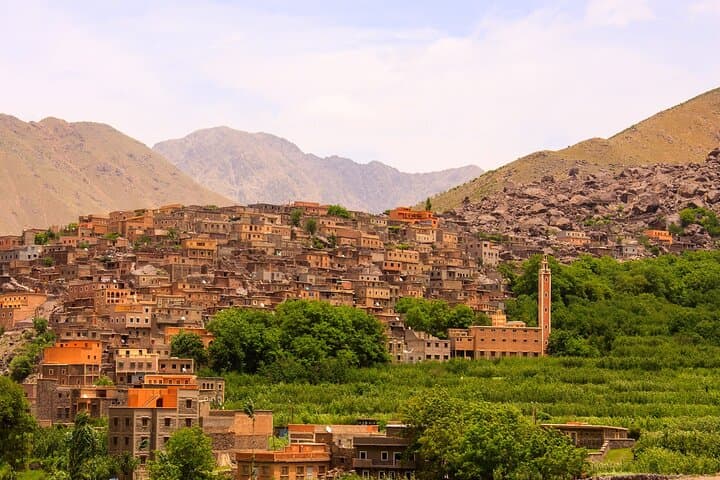
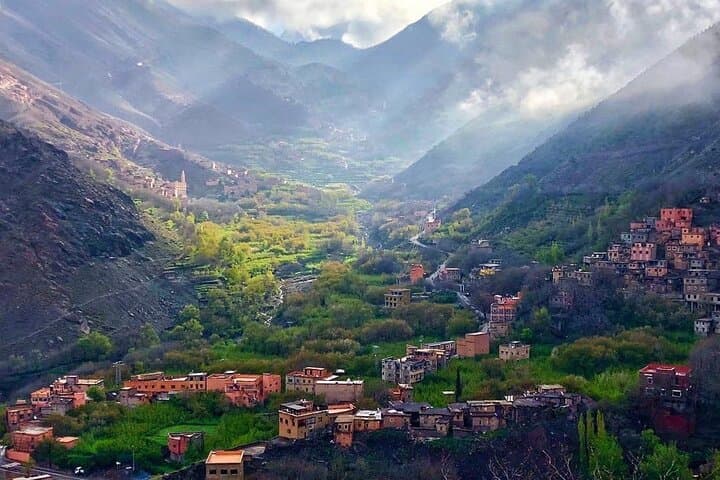
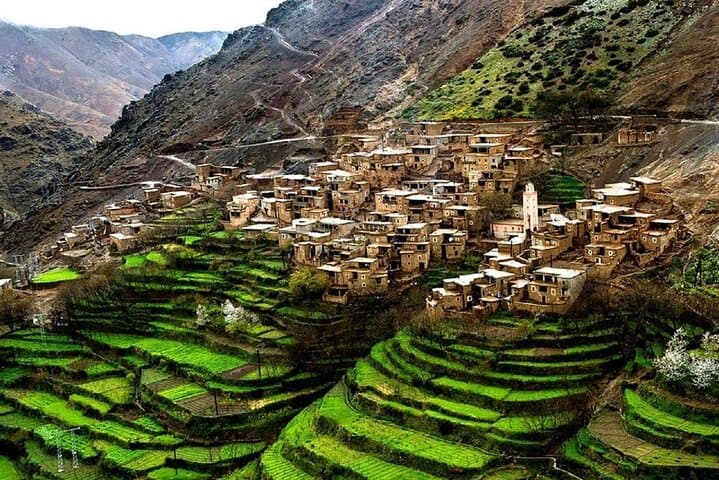
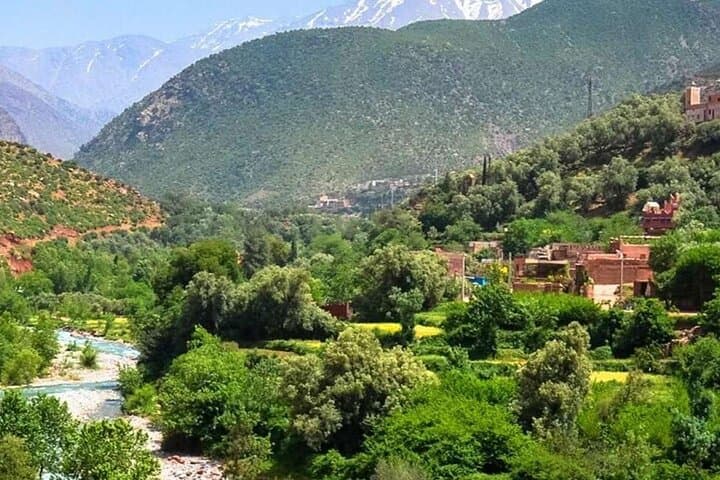
You leave the ochre walls of Marrakech behind and the road bends toward the High Atlas—olive groves, terraces and a river that seems to dare you to slow down. By midmorning the air cools and Setti Fatma appears: a cluster of stone houses, a bubbling river, and a line of trails cutting into the foothills toward waterfalls.
You leave the ochre walls of Marrakech behind and the road bends toward the High Atlas—olive groves, terraces and a river that seems to dare you to slow down. By midmorning the air cools and Setti Fatma appears: a cluster of stone houses, a bubbling river, and a line of trails cutting into the foothills toward waterfalls.
The valley sits on folded, volcanic and sedimentary rock that the Atlas carved over millennia; local Berber communities have farmed these slopes for centuries. Argan trees, unique to Morocco, offer oil prized in kitchens and cosmetics, and markets along the route still trade in woven rugs, spices, and hand-pressed oils. A short walk into the hills leads to stepped cascades where guides point out spring-fed pools and river-smoothed rock.
Expect a balanced day of cultural stops—an argan oil cooperative and a visit inside a Berber house—plus a hiking segment of steep, rocky trail to the Setti Fatma falls. The climb includes loose stone and some scrambling; sturdy shoes and water make the difference between tiring and rewarding.
Plan for 7–9 hours round-trip from Marrakech, early starts to avoid midday heat, and modest bargaining at village markets. Lunch is typically riverside tagine and mint tea: simple, local and restorative.
Practical edge: bring sunscreen, layered clothing for shifting mountain shade, and cash in dirhams for small purchases. Whether you’re photographing cliffs or learning traditional craft, the day mixes geology, culture and a hands-on feel for life in the Atlas foothills.