THE ADVENTURE COLLECTIVE® · Independent discovery and booking for outdoor travel

Escape Marrakech for a day and follow the Ourika River into the High Atlas foothills—waterfalls, Berber villages, and argan co-ops make for a culturally rich, low-impact day trip.
Escape Marrakech for a day and follow the Ourika River into the High Atlas foothills—waterfalls, Berber villages, and argan co-ops make for a culturally rich, low-impact day trip.
By midmorning the road from Marrakech begins to unwind into the first foothills of the High Atlas: low, terraced slopes, olive groves, and the Ourika River carving a green ribbon through red earth. You arrive in a village where laundry flaps on lines and the scent of mint tea hangs over small stone courtyards; beyond, the trail climbs toward a series of stepped waterfalls that catch light in bright, fast pools.
Verified experiences and guided adventures in the surrounding area.
Operated by Taj Tours Travel · Ourika, Marrakesh-Safi
By midmorning the road from Marrakech begins to unwind into the first foothills of the High Atlas: low, terraced slopes, olive groves, and the Ourika River carving a green ribbon through red earth. You arrive in a village where laundry flaps on lines and the scent of mint tea hangs over small stone courtyards; beyond, the trail climbs toward a series of stepped waterfalls that catch light in bright, fast pools.
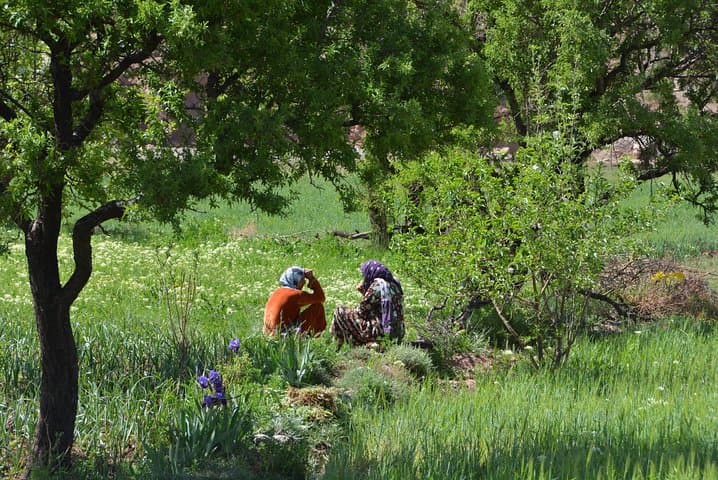
Geologically the valley is a shallow incision into the southern Atlas front, where uplift and seasonal torrents created narrow gorges and water-carved basins. Human history here is visible in terraces and dry-stone walls maintained by Amazigh (Berber) communities for centuries. Recent months have brought more visitors — local women’s argan cooperatives and mountain guides now form a visible part of the valley economy, offering demonstrations, simple meals, and crafted goods.
A typical day combines short village walks, a guided trek to the larger cascades, a visit to an argan oil co-op, and a convivial lunch in a Berber house. Expect uneven stone steps, short steep stretches, and river crossings that heighten with spring runoff.
Practical guidance: set aside 6–8 hours, wear grippy shoes, and carry at least 1–2 liters of water. Go early to avoid tour buses and midday heat; bring small change for cooperative purchases and modest tips. If you want quieter trails, ask the guide to extend the walk upstream from Setti Fatma or explore smaller hamlets for authentic village life.
moderate.
6–8 hours.
Suitable for most people with moderate fitness; includes short uphill walks and steps to the waterfall areas.
The valley sits about 60–70 km from Marrakech; travel time is roughly 1–1.5 hours each way depending on traffic and your pickup point.
Yes—routes to primary viewpoints are family-friendly, though some short steep stairs to waterfalls may be challenging; private transport and flexible pacing help.
Most day trips include a simple, local lunch and bottled water; mention dietary restrictions when booking so hosts can prepare alternatives.
No formal tickets are required for most co-ops or the basic waterfall trails, but guided visits and co-op demonstrations are organized and work best with prior booking.
The Ourika Valley has long been inhabited by Amazigh (Berber) communities who built the stepped terraces and dry-stone walls; the valley was a seasonal grazing and agricultural landscape.
Increased visitation stresses water resources and trails—support local cooperatives, stick to paths, and limit plastic waste to help preserve the valley.
Taj Tours Travel operates guided outdoor trips and adventures with an emphasis on safety, stewardship, and memorable experiences.
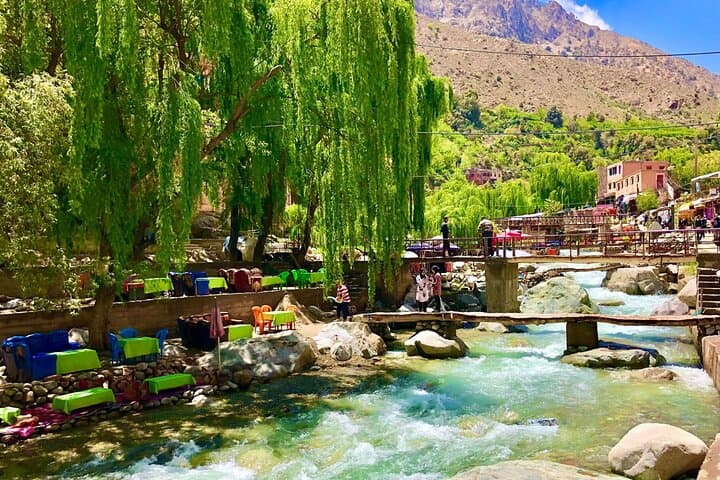
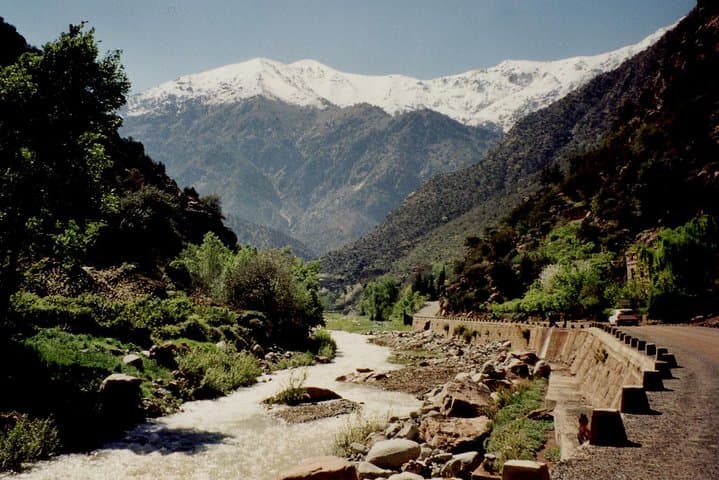
By midmorning the road from Marrakech begins to unwind into the first foothills of the High Atlas: low, terraced slopes, olive groves, and the Ourika River carving a green ribbon through red earth. You arrive in a village where laundry flaps on lines and the scent of mint tea hangs over small stone courtyards; beyond, the trail climbs toward a series of stepped waterfalls that catch light in bright, fast pools.
By midmorning the road from Marrakech begins to unwind into the first foothills of the High Atlas: low, terraced slopes, olive groves, and the Ourika River carving a green ribbon through red earth. You arrive in a village where laundry flaps on lines and the scent of mint tea hangs over small stone courtyards; beyond, the trail climbs toward a series of stepped waterfalls that catch light in bright, fast pools.
Geologically the valley is a shallow incision into the southern Atlas front, where uplift and seasonal torrents created narrow gorges and water-carved basins. Human history here is visible in terraces and dry-stone walls maintained by Amazigh (Berber) communities for centuries. Recent months have brought more visitors — local women’s argan cooperatives and mountain guides now form a visible part of the valley economy, offering demonstrations, simple meals, and crafted goods.
A typical day combines short village walks, a guided trek to the larger cascades, a visit to an argan oil co-op, and a convivial lunch in a Berber house. Expect uneven stone steps, short steep stretches, and river crossings that heighten with spring runoff.
Practical guidance: set aside 6–8 hours, wear grippy shoes, and carry at least 1–2 liters of water. Go early to avoid tour buses and midday heat; bring small change for cooperative purchases and modest tips. If you want quieter trails, ask the guide to extend the walk upstream from Setti Fatma or explore smaller hamlets for authentic village life.