THE ADVENTURE COLLECTIVE® · Independent discovery and booking for outdoor travel

Escape Marrakech for a day and follow the Ourika River into the High Atlas. This guided trip pairs a short hike to Setti Fatma waterfalls with market stops, a Berber home visit, and riverside meals.
Escape Marrakech for a day and follow the Ourika River into the High Atlas. This guided trip pairs a short hike to Setti Fatma waterfalls with market stops, a Berber home visit, and riverside meals.
A cool morning leaves Marrakech’s ochre alleys and pushes east toward the High Atlas; the road climbs and the air sharpens, until the Ourika River begins to thread green through terraced gardens. By mid-morning the group spills out at a small market where vendors sell spices, vegetables and handwoven wares — a practical, lively preface to the valley’s quieter reaches.
Verified experiences and guided adventures in the surrounding area.
Operated by Big Bus Transport · Setti Fatma, Marrakesh-Safi
A cool morning leaves Marrakech’s ochre alleys and pushes east toward the High Atlas; the road climbs and the air sharpens, until the Ourika River begins to thread green through terraced gardens. By mid-morning the group spills out at a small market where vendors sell spices, vegetables and handwoven wares — a practical, lively preface to the valley’s quieter reaches.
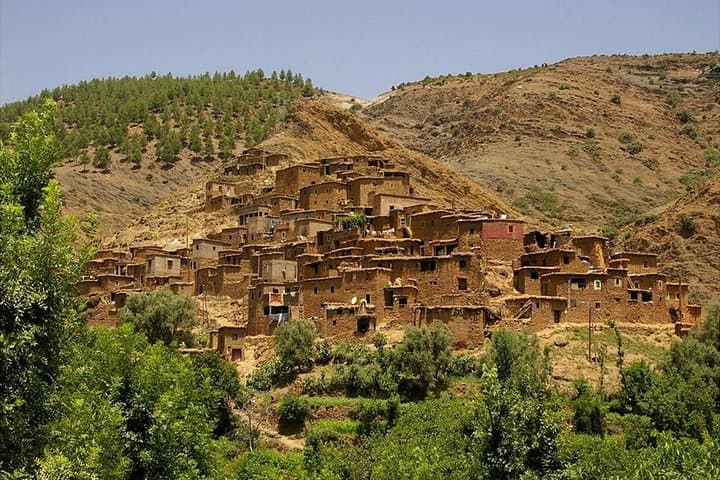
The Ourika Valley sits on the southern flanks of the High Atlas, where recent uplift and seasonal runoff carve stepped terraces and granite outcrops. Villages here are predominantly Berber; their mud-brick homes and carved wooden doors reflect a long history of mountain agriculture and trans-Saharan trade routes. Guides typically include a cooperative visit to watch argan oil processing — a living cultural craft tied to local women’s economies.
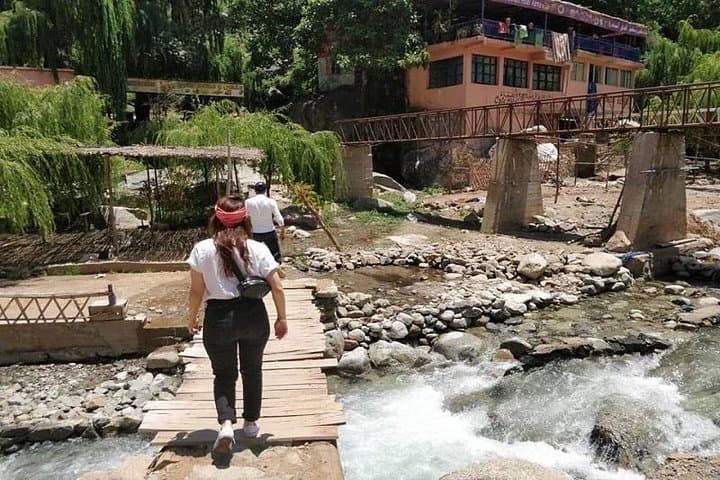
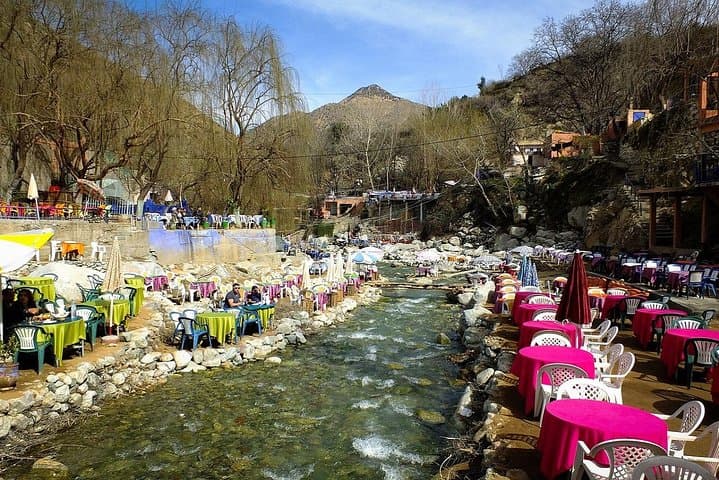
The hike toward the Setti Fatma waterfalls is short but variable: rocky tracks, shaded riverbanks and stairs cut into the hillside. Expect panoramic river views and the persistent sound of water daring you toward higher pools. Restaurants by the river serve tagine and mint tea, offering a straightforward introduction to regional cuisine.
Practical notes: the tour is vehicle-supported with hotel pickup and a local guide; hike sections are suitable for most fitness levels but include uneven footing and short climbs. Bring closed-toe shoes, sun protection and cash for small purchases at markets. Time your day trip for morning departure to avoid mid-day heat and to allow an unhurried return to Marrakech by late afternoon.
easy.
4–6 hours.
Suitable for people of average fitness; includes short hikes with uneven terrain and stairs.
The guided hike segments are typically 30–90 minutes round-trip depending on how many falls you visit and the group’s pace.
Yes; the tour notes indicate it’s family-friendly, but parents should supervise children on uneven trails and near riverbanks.
A traditional Berber lunch and bottled water are included; confirm dietary needs when booking for vegetarian options.
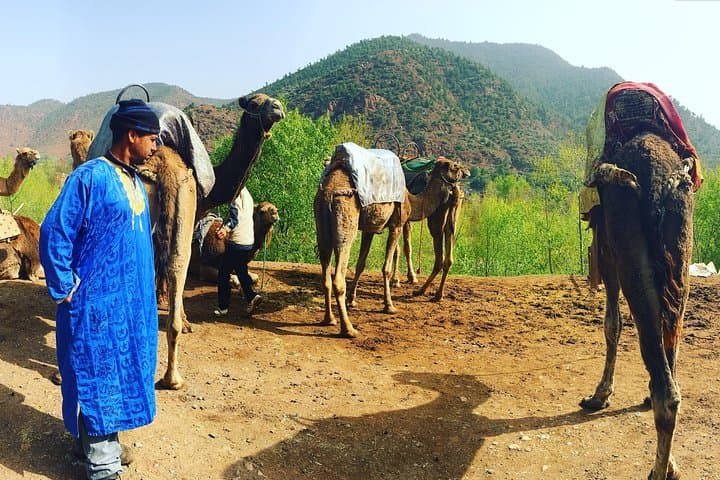
Optional activities like camel or quad rides are sometimes available but are extras—ask the operator in advance for pricing and logistics.
The valley’s villages are largely Berber and built around terrace agriculture; the route has long connected mountain communities to Marrakech’s trade networks.
Argan forests and riverbanks face pressure from tourism and agriculture—minimize waste, stick to trails, and support local cooperatives to promote sustainable income.
Big Bus Transport operates guided outdoor trips and adventures with an emphasis on safety, stewardship, and memorable experiences.
A cool morning leaves Marrakech’s ochre alleys and pushes east toward the High Atlas; the road climbs and the air sharpens, until the Ourika River begins to thread green through terraced gardens. By mid-morning the group spills out at a small market where vendors sell spices, vegetables and handwoven wares — a practical, lively preface to the valley’s quieter reaches.
A cool morning leaves Marrakech’s ochre alleys and pushes east toward the High Atlas; the road climbs and the air sharpens, until the Ourika River begins to thread green through terraced gardens. By mid-morning the group spills out at a small market where vendors sell spices, vegetables and handwoven wares — a practical, lively preface to the valley’s quieter reaches.
The Ourika Valley sits on the southern flanks of the High Atlas, where recent uplift and seasonal runoff carve stepped terraces and granite outcrops. Villages here are predominantly Berber; their mud-brick homes and carved wooden doors reflect a long history of mountain agriculture and trans-Saharan trade routes. Guides typically include a cooperative visit to watch argan oil processing — a living cultural craft tied to local women’s economies.
The hike toward the Setti Fatma waterfalls is short but variable: rocky tracks, shaded riverbanks and stairs cut into the hillside. Expect panoramic river views and the persistent sound of water daring you toward higher pools. Restaurants by the river serve tagine and mint tea, offering a straightforward introduction to regional cuisine.
Practical notes: the tour is vehicle-supported with hotel pickup and a local guide; hike sections are suitable for most fitness levels but include uneven footing and short climbs. Bring closed-toe shoes, sun protection and cash for small purchases at markets. Time your day trip for morning departure to avoid mid-day heat and to allow an unhurried return to Marrakech by late afternoon.