THE ADVENTURE COLLECTIVE® · Independent discovery and booking for outdoor travel

Escape Marrakech for a day in the High Atlas to hike to Setti Fatma waterfalls, visit a Berber home, and eat lunch beside the river. This guided day trip mixes easy mountain walking with cultural stops and seasonal swims.
Escape Marrakech for a day in the High Atlas to hike to Setti Fatma waterfalls, visit a Berber home, and eat lunch beside the river. This guided day trip mixes easy mountain walking with cultural stops and seasonal swims.
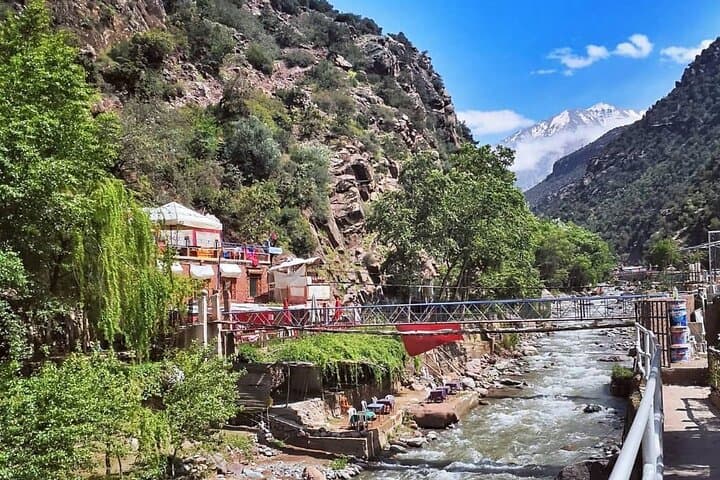
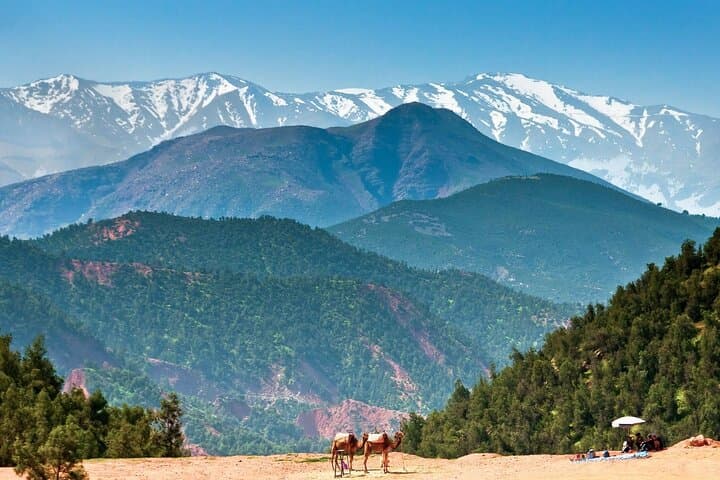
You leave Marrakech behind with the road unspooling toward the High Atlas, sunburned earth giving way to green terraces and olive groves. The minivan hums, and the air changes—cooler, scented with thyme and riverwash—until Setti Fatma appears, a cluster of houses and a river that dares you to follow its sound upstream.
Verified experiences and guided adventures in the surrounding area.
Operated by Reise Marokko · Setti Fatma, Marrakech-Safi
You leave Marrakech behind with the road unspooling toward the High Atlas, sunburned earth giving way to green terraces and olive groves. The minivan hums, and the air changes—cooler, scented with thyme and riverwash—until Setti Fatma appears, a cluster of houses and a river that dares you to follow its sound upstream.
The Ourika Valley is carved by rivers that cut through volcanic and sedimentary rock, feeding tiered waterfalls that tumble over ancient terraces. Berber communities have farmed these slopes for centuries; stopping at a family home for mint tea is less a photo op than an exchange—stories, hospitality, and a glance at daily life shaped by the mountains. The valley’s geology reveals folded strata and erosion channels that trained hands turned into irrigation and garden plots.
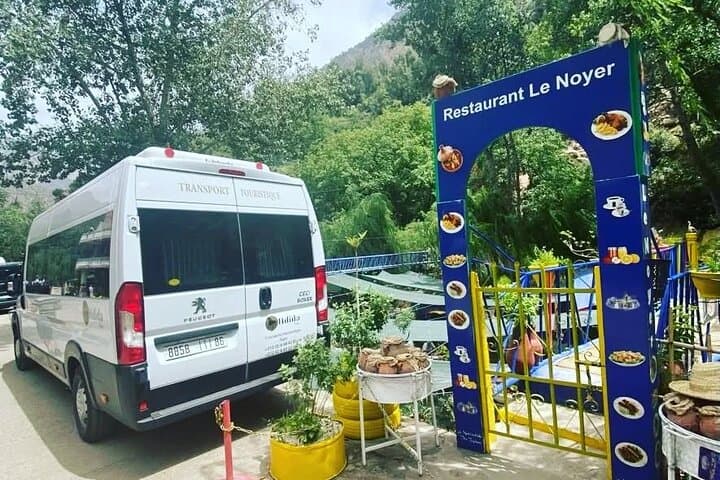
Expect a guided 1.5-hour hike along shaded trails and simple wooden bridges to reach the waterfall basins. In spring and after rains, pools invite a brief swim; in hot months the river is a cool companion. Lunch beside the river—tagine or grilled trout—anchors the day.
Practical notes: wear sturdy shoes with grip for slick rocks, bring 1–1.5 liters of water, and carry a lightweight layer for windy returns. Footpaths can be uneven and modestly steep in places; the guide keeps the pace steady and cultural stops enrich the route. Aim for a morning departure from Marrakech to avoid afternoon heat and to catch the valley in clear light.
easy.
9–10 hours.
Suitable for most travelers with basic mobility; the guided waterfall walk is short but includes uneven ground and some steps.
The round-trip drive is about 2.5 hours each way depending on traffic and photo stops; expect roughly 5 hours total in transit.
Swimming is seasonal and depends on water flow and safety; your guide will advise—bring swimwear if visiting in late spring or early summer.
Yes—the waterfall walk is a short, guided route with options to stay in the village; however, mobility varies, and some uneven terrain may be challenging.
This tour includes a riverside lunch and entrance to local sights as described; confirm specifics with the operator at booking.
The Ourika Valley has long been inhabited by Amazigh (Berber) communities who established terrace agriculture and built irrigation systems in the Atlas foothills.
The valley faces pressure from visitors and development; stick to paths, avoid littering, and support local cooperatives to ensure benefits stay in the community.
Reise Marokko operates guided outdoor trips and adventures with an emphasis on safety, stewardship, and memorable experiences.

You leave Marrakech behind with the road unspooling toward the High Atlas, sunburned earth giving way to green terraces and olive groves. The minivan hums, and the air changes—cooler, scented with thyme and riverwash—until Setti Fatma appears, a cluster of houses and a river that dares you to follow its sound upstream.
You leave Marrakech behind with the road unspooling toward the High Atlas, sunburned earth giving way to green terraces and olive groves. The minivan hums, and the air changes—cooler, scented with thyme and riverwash—until Setti Fatma appears, a cluster of houses and a river that dares you to follow its sound upstream.
The Ourika Valley is carved by rivers that cut through volcanic and sedimentary rock, feeding tiered waterfalls that tumble over ancient terraces. Berber communities have farmed these slopes for centuries; stopping at a family home for mint tea is less a photo op than an exchange—stories, hospitality, and a glance at daily life shaped by the mountains. The valley’s geology reveals folded strata and erosion channels that trained hands turned into irrigation and garden plots.
Expect a guided 1.5-hour hike along shaded trails and simple wooden bridges to reach the waterfall basins. In spring and after rains, pools invite a brief swim; in hot months the river is a cool companion. Lunch beside the river—tagine or grilled trout—anchors the day.
Practical notes: wear sturdy shoes with grip for slick rocks, bring 1–1.5 liters of water, and carry a lightweight layer for windy returns. Footpaths can be uneven and modestly steep in places; the guide keeps the pace steady and cultural stops enrich the route. Aim for a morning departure from Marrakech to avoid afternoon heat and to catch the valley in clear light.