THE ADVENTURE COLLECTIVE® · Independent discovery and booking for outdoor travel

A full-day escape from Marrakech into the first foothills of the Atlas Mountains, the Ourika Valley pairs short waterfall hikes with visits to Berber homes and argan cooperatives. Expect terraced fields, walnut groves, and cultural stops on a 6–7 hour outing.
A full-day escape from Marrakech into the first foothills of the Atlas Mountains, the Ourika Valley pairs short waterfall hikes with visits to Berber homes and argan cooperatives. Expect terraced fields, walnut groves, and cultural stops on a 6–7 hour outing.
You leave Marrakech with the city’s heat behind and the Atlas foothills rising like a wall ahead. The road carves through olive groves and terraced fields until the valley opens: a green ribbon where a river dares you to follow it upstream. Small villages cling to slopes, walnut and cherry trees shade narrow tracks, and the sound of water moves the whole place forward.
Verified experiences and guided adventures in the surrounding area.
Operated by Atlas Mountains Day trip from Marrakech · Ourika, Marrakech-Safi
You leave Marrakech with the city’s heat behind and the Atlas foothills rising like a wall ahead. The road carves through olive groves and terraced fields until the valley opens: a green ribbon where a river dares you to follow it upstream. Small villages cling to slopes, walnut and cherry trees shade narrow tracks, and the sound of water moves the whole place forward.
Geology here is compacted schist and limestone shaped by seasonal streams; the valley is one of the first foothill catches for Atlas runoff, which explains the waterfalls and the irrigated barley terraces. Human history is visible in dry-stone walls and stepped fields, and the Berber (Amazigh) communities that tend them have kept many traditional crafts — argan oil pressing, woven rugs, and hand-thrown pottery — alive in cooperatives dotted along the road.
Practical side: this is a full-day outing (roughly 6–7 hours including transport; about one hour each way from central Marrakech). Expect short, uneven hikes to the main cascades—good footwear and a steady pace make the steps feel easy. Stops include a Berber house for mint tea, an argan cooperative where you can watch oil extraction, and optional pottery demonstrations. Monkeys are often seen near the higher paths; keep a respectful distance.
Timing matters: morning light is best for photos and cooler hiking. Carry water, sun protection, and a small local-currency amount for cooperatives and tips. The route is accessible for most fitness levels, and the day balances natural scenery with grounded cultural experiences.
easy.
6–7 hours.
Suitable for most fitness levels; requires short hikes on uneven terrain and standing during visits.
About 45–75 minutes each way depending on traffic and your pickup point in Marrakech.
Yes—many sections are family-friendly, but some paths are uneven and include stone steps; supervise children near drops and water.
Lunch is typically not included; many tours stop at a restaurant or village where you can buy a meal, and some offer a snack in a Berber home.
Yes, cooperatives sell locally made argan products and textiles; bring cash and be aware of haggling norms.
The Ourika Valley has long been farmed by Amazigh communities using terraced irrigation; its cooperatives continue traditional crafts like argan oil pressing and rug weaving.
Tourism supports local cooperatives but increases waste and trail erosion; bring reusable containers, avoid single-use plastics, and follow marked paths to reduce impact.
Atlas Mountains Day trip from Marrakech operates guided outdoor trips and adventures with an emphasis on safety, stewardship, and memorable experiences.
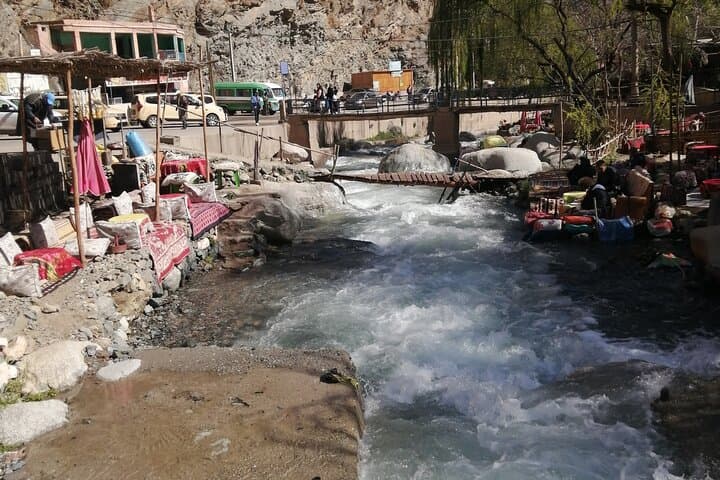
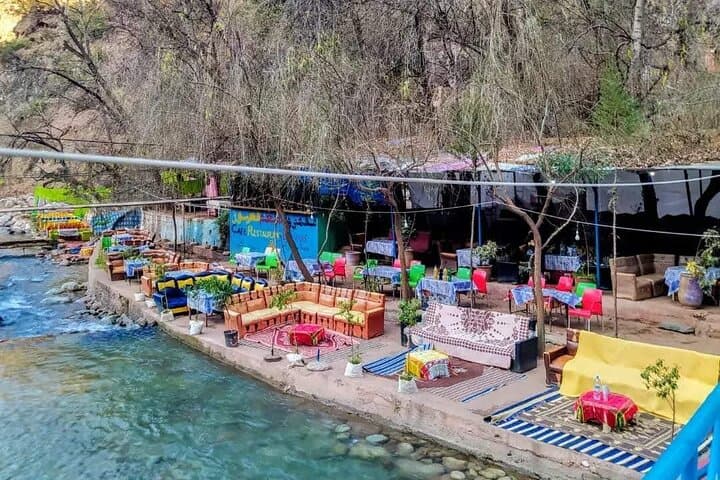
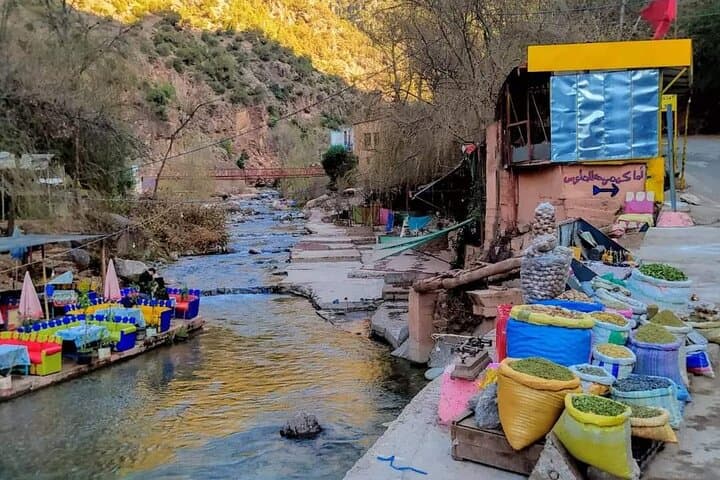
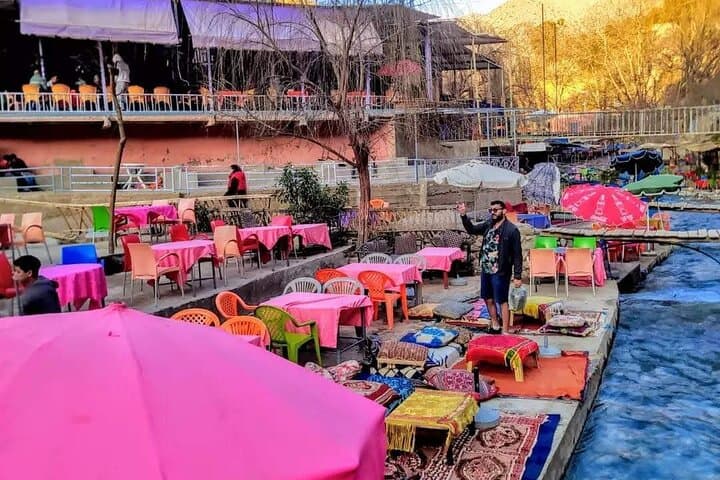
You leave Marrakech with the city’s heat behind and the Atlas foothills rising like a wall ahead. The road carves through olive groves and terraced fields until the valley opens: a green ribbon where a river dares you to follow it upstream. Small villages cling to slopes, walnut and cherry trees shade narrow tracks, and the sound of water moves the whole place forward.
You leave Marrakech with the city’s heat behind and the Atlas foothills rising like a wall ahead. The road carves through olive groves and terraced fields until the valley opens: a green ribbon where a river dares you to follow it upstream. Small villages cling to slopes, walnut and cherry trees shade narrow tracks, and the sound of water moves the whole place forward.
Geology here is compacted schist and limestone shaped by seasonal streams; the valley is one of the first foothill catches for Atlas runoff, which explains the waterfalls and the irrigated barley terraces. Human history is visible in dry-stone walls and stepped fields, and the Berber (Amazigh) communities that tend them have kept many traditional crafts — argan oil pressing, woven rugs, and hand-thrown pottery — alive in cooperatives dotted along the road.
Practical side: this is a full-day outing (roughly 6–7 hours including transport; about one hour each way from central Marrakech). Expect short, uneven hikes to the main cascades—good footwear and a steady pace make the steps feel easy. Stops include a Berber house for mint tea, an argan cooperative where you can watch oil extraction, and optional pottery demonstrations. Monkeys are often seen near the higher paths; keep a respectful distance.
Timing matters: morning light is best for photos and cooler hiking. Carry water, sun protection, and a small local-currency amount for cooperatives and tips. The route is accessible for most fitness levels, and the day balances natural scenery with grounded cultural experiences.