THE ADVENTURE COLLECTIVE® · Independent discovery and booking for outdoor travel

Just an hour from Marrakech, the Ourika Valley delivers mountain air, seven waterfalls and authentic Berber culture. This day trip combines easy riverside hiking, a saffron farm visit and village stops—ideal for travelers wanting natural scenery without a multi-day trek.
Just an hour from Marrakech, the Ourika Valley delivers mountain air, seven waterfalls and authentic Berber culture. This day trip combines easy riverside hiking, a saffron farm visit and village stops—ideal for travelers wanting natural scenery without a multi-day trek.
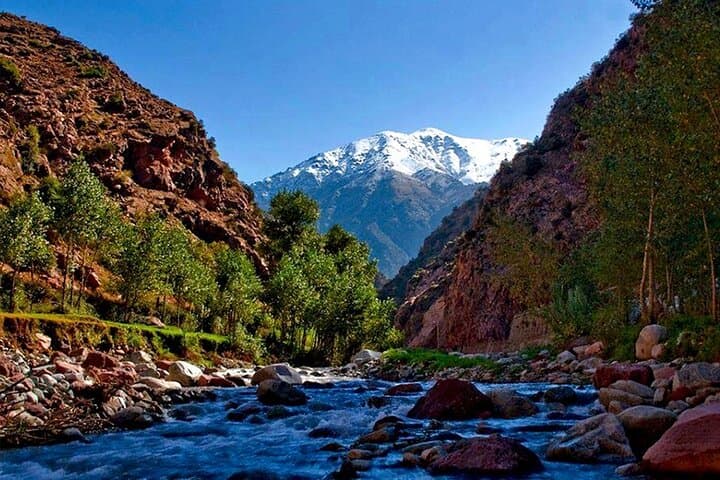
You leave Marrakech's ochre walls and within an hour the city fades; the road climbs, and the air sharpens with rosemary and river mist. The Ourika Valley opens up as the High Atlas foothills press in—rock ribs, irrigated terraces and the slow ribbon of the Ourika River that both shapes and dares the path.
Verified experiences and guided adventures in the surrounding area.
Operated by carresa.com · Ourika, Marrakech-Safi
You leave Marrakech's ochre walls and within an hour the city fades; the road climbs, and the air sharpens with rosemary and river mist. The Ourika Valley opens up as the High Atlas foothills press in—rock ribs, irrigated terraces and the slow ribbon of the Ourika River that both shapes and dares the path.
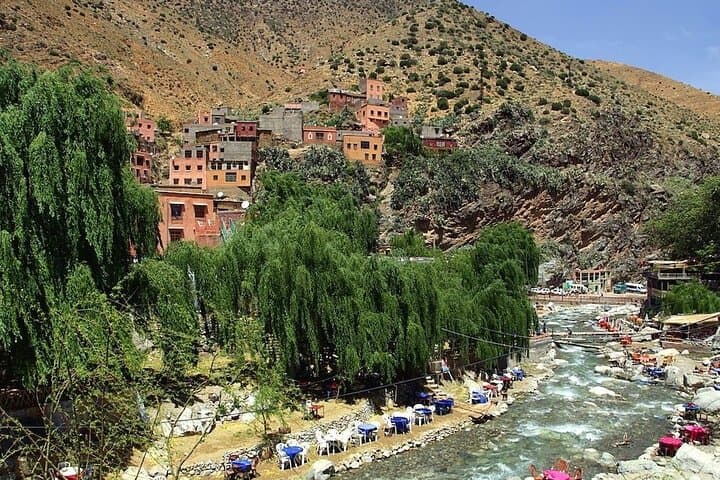
This valley has long been a corridor between Marrakech and the Atlas highlands. Berber communities have farmed these slopes for centuries, building thick-walled houses from stone and earth and tending terraces where saffron and fruit take advantage of mountain runoff. Geologically, the valley is carved from Paleozoic schists and sandstones, with the river cutting a series of steps that form the seven cascades popular with visitors.
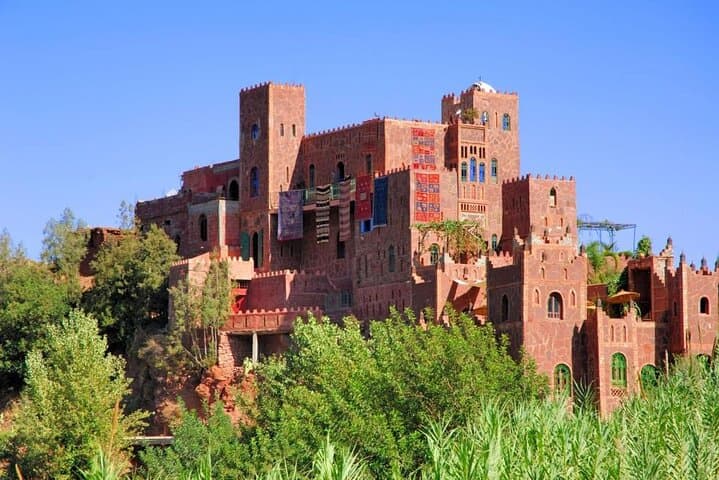
Culturally the trip mixes natural scenery with hands-on moments: a stop at La Maison du Safran explains saffron cultivation, while brief visits to local homes offer a look at traditional architecture and daily life.
Practical guidance: plan a full-day outing (about 6–7 hours including transport). The trail to the principal waterfalls is uneven—expect stone steps, short river crossings, and a roughly 2–4 km round trip for casual hikers. Wear sturdy shoes, carry 1–2 liters of water, sun protection, and small bills for local purchases. Morning departures avoid heat and crowds; afternoon light improves photos but can make the trail slick.
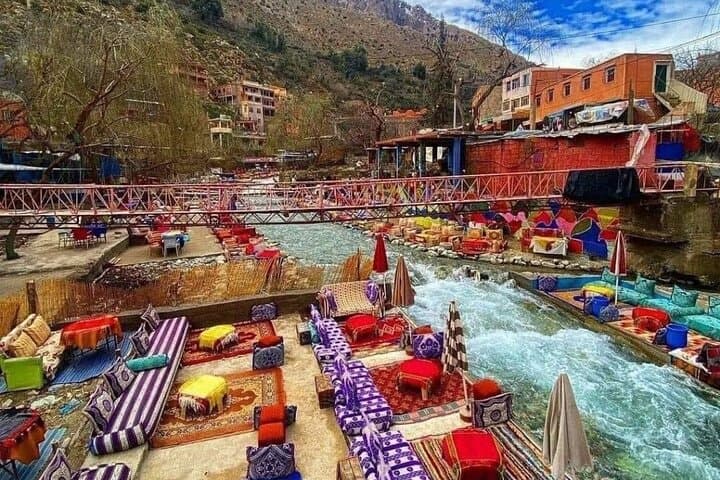
Respect private property, follow marked paths, and leave no trace—the valley’s preserved feel depends on low-impact visitors. The reward is simple: cool pools, mountain air, and the steady company of a river that keeps pulling you forward.
moderate.
6–7 hours.
Suitable for casual hikers in moderate shape; expect uneven terrain and short uphill sections—basic endurance and balance recommended.
Expect about a 45–60 minute drive each way depending on traffic and your exact pickup point in Marrakech.
The main waterfall areas are accessible via a 2–4 km round-trip trail with stone steps and short river crossings; it’s moderate but doable for most visitors.
Yes, there are natural pools where locals and visitors swim; water is mountain-fed and cool—use caution on slippery rocks and respect any private areas.
Short sections of the valley and village areas are stroller-accessible, but the hike to the higher cascades involves uneven steps—infants may need carriers.
The Ourika has been a rural lifeline for Berber communities for centuries; terraces and irrigation systems reflect long-standing mountain agriculture.
The valley relies on low-impact tourism and local stewardship—travelers should stick to trails, avoid single-use plastics, and respect private plots.
carresa.com operates guided outdoor trips and adventures with an emphasis on safety, stewardship, and memorable experiences.
You leave Marrakech's ochre walls and within an hour the city fades; the road climbs, and the air sharpens with rosemary and river mist. The Ourika Valley opens up as the High Atlas foothills press in—rock ribs, irrigated terraces and the slow ribbon of the Ourika River that both shapes and dares the path.
You leave Marrakech's ochre walls and within an hour the city fades; the road climbs, and the air sharpens with rosemary and river mist. The Ourika Valley opens up as the High Atlas foothills press in—rock ribs, irrigated terraces and the slow ribbon of the Ourika River that both shapes and dares the path.
This valley has long been a corridor between Marrakech and the Atlas highlands. Berber communities have farmed these slopes for centuries, building thick-walled houses from stone and earth and tending terraces where saffron and fruit take advantage of mountain runoff. Geologically, the valley is carved from Paleozoic schists and sandstones, with the river cutting a series of steps that form the seven cascades popular with visitors.
Culturally the trip mixes natural scenery with hands-on moments: a stop at La Maison du Safran explains saffron cultivation, while brief visits to local homes offer a look at traditional architecture and daily life.
Practical guidance: plan a full-day outing (about 6–7 hours including transport). The trail to the principal waterfalls is uneven—expect stone steps, short river crossings, and a roughly 2–4 km round trip for casual hikers. Wear sturdy shoes, carry 1–2 liters of water, sun protection, and small bills for local purchases. Morning departures avoid heat and crowds; afternoon light improves photos but can make the trail slick.
Respect private property, follow marked paths, and leave no trace—the valley’s preserved feel depends on low-impact visitors. The reward is simple: cool pools, mountain air, and the steady company of a river that keeps pulling you forward.